

Brompton takes £18m backers as Decathlon buys 10% and BA Capital buys 5%
Two new investors buy minority stakes in Brompton as the cycling market recovers from a slump.

Brompton’s new minority stakeholders include Decathlon, which acquired a 10% stake, and BA Capital, which bought 5%. The deal, understood to be worth about £18m, adds investment and expertise just as Brompton’s boss says the cycling market is recovering.
Brompton is selling minority stakes to Decathlon and BA Capital in a deal understood to be worth about £18m, with Decathlon taking 10% and BA Capital taking 5%. The move lands at a specific moment for the business: Brompton’s boss says the cycling market is recovering after a sales slump, which changes the math on what capital is for.
So this is not just a funding round. It is a bet on timing and momentum. Decathlon, a French sports gear retailer, buying a 10% stake signals confidence in consumer demand returning to the category. Meanwhile BA Capital, the Chinese investment group described as an early backer of Labubu soft toys, buying 5% brings a different kind of financial sponsor into Brompton’s ownership story. Put together, those minority positions total 15% and are positioned as adding “new expertise” to a manufacturer that is riding out the aftershocks of weaker sales.
To understand why this matters, zoom out to how cycling demand tends to behave. When sales slump, it does not hit just production schedules. It pressures retailers, squeezes inventory, and forces brands to make tough calls on product development and distribution. Brompton is a folding bike maker, which typically means it lives in the overlap between commuting and lifestyle, not only in traditional cycling retail. In that world, recovery in the broader cycling market can quickly translate into better sell-through and healthier retailer confidence. That is why management messaging about recovery is a big deal. Capital allocation becomes less defensive and more strategic when the trend turns.
For Decathlon, the incentive is pretty straightforward. The company already operates in sports retail at scale, and buying into a brand it can potentially understand both from product and distribution angles is a classic move: get exposure to a cycle that is improving, and bring perspective to how bikes are marketed and sold. Decathlon acquiring a 10% stake is large enough to matter without taking full control. Minority ownership also tends to reduce execution risk compared to a full acquisition, while still giving the investor a seat in the conversation when strategy shifts.
BA Capital’s 5% stake is smaller, but it is notable for who it is and what it signals about investment appetite. The source describes BA Capital as an early backer of Labubu soft toys. That detail is not just trivia. It suggests BA Capital has experience spotting consumer properties and supporting brands that can scale demand, even when the product category is not directly “cycling.” When a Chinese investment group with that track record buys into Brompton, it hints at cross-category confidence in consumer engagement. The second-order implication for Brompton is that its ownership group is not limited to traditional industrial or sports cycling investors. That can shape what kinds of expertise the company accesses, especially around branding, international reach, and consumer trends.
There is also a governance angle. Two strategic investors with different backgrounds can create a board dynamic where “what to prioritize” is debated. Decathlon’s retail mindset might emphasize distribution, product range, and pricing power. BA Capital’s consumer-brand background might push for brand identity, merchandising adjacency, or marketing sophistication. Neither of these perspectives is stated as a plan in the source, but the structure is clear: Brompton is bringing in two minority holders, one 10%, one 5%, as the market is described as recovering. When the environment shifts from slump to growth, the board typically stops asking only how to survive and starts asking how to win.
Regulatory context matters too, even when the source does not spell it out. In the UK and EU, minority stake deals can still trigger scrutiny depending on control rights, market impact, and competition concerns. That said, the stakes described here are 10% and 5%, which are typically positioned as non-control investments. In practice, that can make deals easier to clear than transactions involving a majority change, while still allowing investors to influence strategy through shareholder participation and board representation. The fact that these purchases are framed as investments that add expertise also suggests the parties are treating the transaction as partnership rather than a takeover.
For executives at other consumer and sports manufacturing companies, the takeaway is about timing and coalition-building. Brompton’s boss is publicly aligning the company’s capital decisions with an improving cycling market, and then backing it with strategic investors: a major retailer taking 10% and a Chinese investment group taking 5% for a combined value understood at about £18m. When markets are turning, brands that can pair fresh funding with credible distribution or consumer expertise often move faster than those that rely on financial capital alone.
In short: Brompton’s ownership change is built on a simple premise. The cycling slump is easing, and the company is trying to ensure it has the right partners and capabilities for what comes next. Minority stakes may look modest on a cap table, but in a recovering category they can be a powerful signal to employees, suppliers, and the market that the company is planning for growth, not just managing decline.
This story's Key Insights and Take-aways are locked.
Create a free account to unlock Executive Actions for one credit.
Register to UnlockAlways free for Executives Club members. Join the Club
More in Business
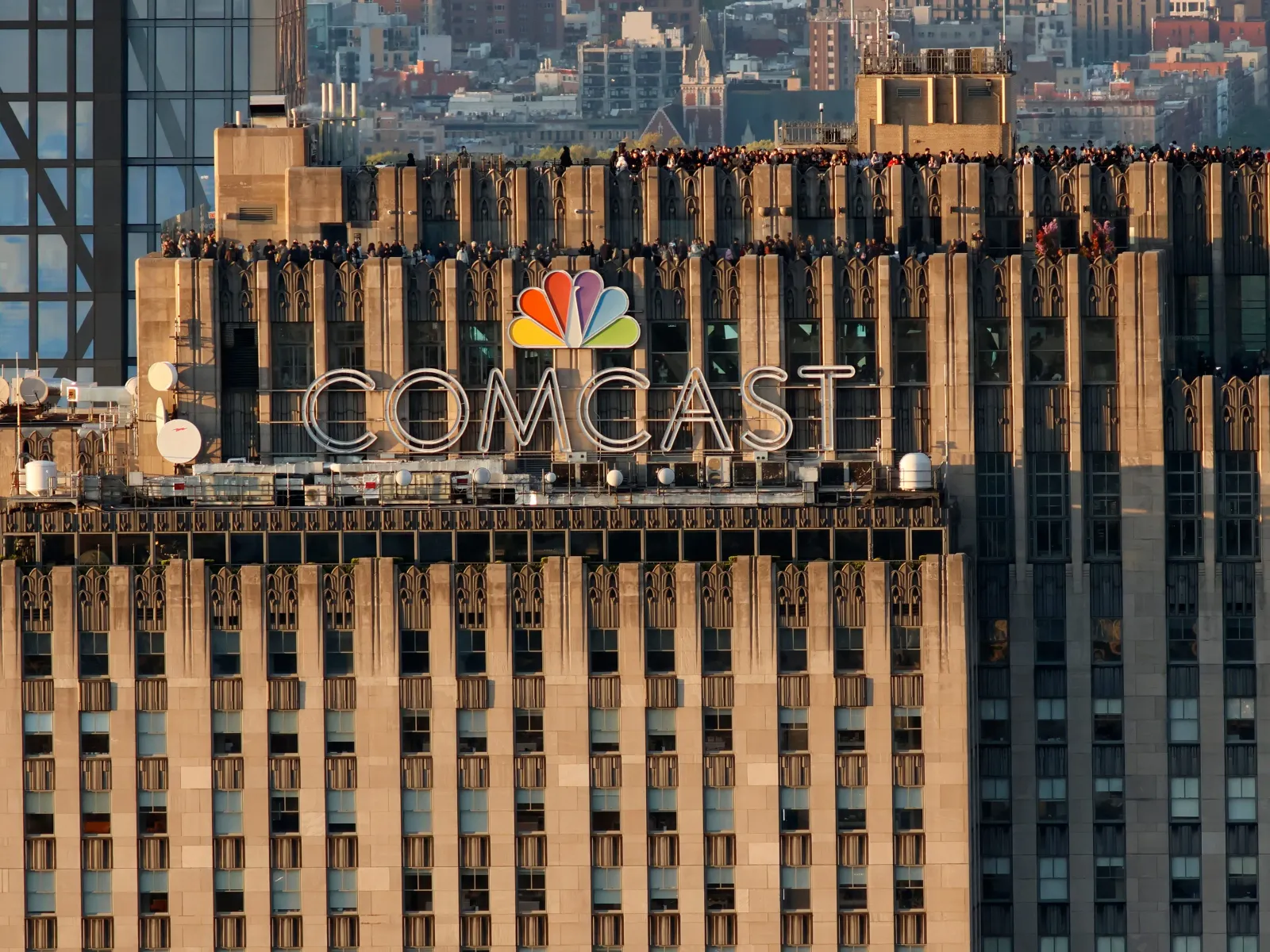
Comcast shares jump 25% as it plans to split NBCUniversal and Sky
The tax-free spin-off could reshape focus, funding, and competition across media and tech for years.

Bungie cuts most Destiny 2 staff as Sony says Marathon still matters
Herman Hulst confirms layoffs affecting most Destiny and some Marathon teams after Bungie admits Destiny fell short.

SK Hynix jumps 11% after seeking up to $29.4B in Nasdaq listing
The chip giant filed for a Nasdaq listing plan that could raise $29.4 billion, instantly reshaping investor expectations.