

Budweiser Brewing’s China sales drag meets World Cup tailwind, analysts say
Goldman Sachs points to weak catering traffic as the China headwind, with FIFA World Cup momentum in Q3.
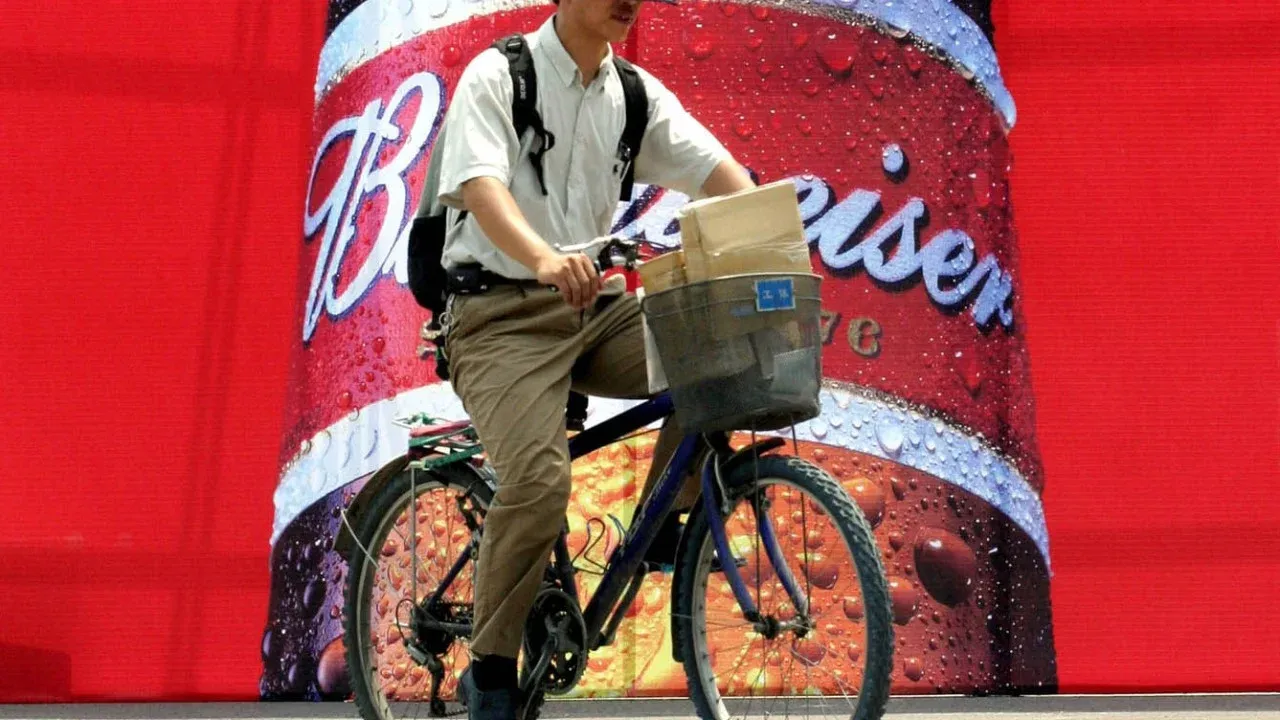
Budweiser Brewing APAC is navigating subdued demand in China that analysts say likely hit second-quarter sales. Goldman Sachs, citing information from Anheuser-Busch InBev investor relations personnel, flags weak catering traffic as the biggest drag while the FIFA World Cup could brighten the third quarter.
Budweiser Brewing APAC’s China story sounds like a tug-of-war: analysts say subdued demand weighed on second-quarter sales, but the ongoing FIFA World Cup may help lift results going into the third quarter. The key detail is not just that “demand is soft,” it is what, specifically, appears to be breaking. According to Goldman Sachs analysts, Budweiser Brewing believed weak catering traffic remained the biggest headwind in China.
That “catering traffic” point matters because it connects beer sales to where people actually gather. For many brands, beer demand is not only about retail shelves. It is about bars, restaurants, events, and the whole messy ecosystem of nights out. When that foot traffic slows, it can show up quickly in APAC segment numbers, even if the broader macro narrative does not look dramatic. Goldman Sachs said Budweiser Brewing believed this was the main factor pressuring China performance in the second quarter.
So where does the World Cup fit? Goldman Sachs expects the ongoing FIFA World Cup could provide a brighter start to the third quarter. In practical terms, World Cup matches can concentrate social life, pulling forward consumption into specific weeks and days. For a beer portfolio like Budweiser Brewing’s, that translates into incremental occasions, more televisions flickering in crowded venues, and more reason for consumers to buy now instead of “sometime later.”
This is why the timing is so consequential. Second-quarter softness can be stubborn because promotional calendars and consumer routines build habits. A tournament does not automatically fix underlying demand, but it can change the cadence. It can turn a normal trading period into one with built-in triggers for purchasing, which is especially relevant in a market where analysts already expect weakness. The forecast angle in the report is basically: the China drag is real, but the calendar might help.
The research is also framed through the lens of information flow and investor signaling. Goldman Sachs cited information from investor relations personnel at Anheuser-Busch InBev’s Asian subsidiary, as reported in a Monday-issued report. That detail matters because analysts are not just taking guesses from outside. They are triangulating on what management is telling the market through investor relations channels.
Anheuser-Busch InBev is the parent behind Budweiser Brewing APAC, and that corporate structure tends to make Asia performance especially visible to headquarters-level decision-makers. When an APAC market underperforms, it is not only a local issue. It becomes part of how global brands calibrate spending, focus, and expectations for the region. For executives, that can affect how aggressively they push promotions, how they manage distribution intensity, and how they prioritize what gets resourced next.
There is also a regulatory backdrop executives tend to watch in China and across APAC beverage markets, even when a specific catalyst like a World Cup is the headline. Alcohol advertising rules, venue licensing constraints, and city-level enforcement patterns can shape how much sales can be unlocked through marketing and on-premise channels. While the source does not cite a specific regulatory change in this case, the mention of “catering traffic” implicitly points to channel dynamics that often intersect with local enforcement and permitting realities.
For boards and capital allocators, the second-order question is how much of the China weakness is cyclical versus structural. Analysts describe subdued demand and cite weak catering traffic as the biggest headwind, which suggests a near-term driver tied to social activity and channel traffic. If the World Cup improves on-premise demand and nightlife consumption, it could reduce the odds that second-quarter softness spills into a longer downtrend. But if catering traffic remains weak after the tournament, the underlying issue likely persists.
That is the strategic stake for peers: when investors watch beer makers and consumer staples, they are constantly trying to separate “timing” from “trend.” A tournament tailwind can create a misleading print if you only look at one quarter. But it also offers a real-world stress test for distribution and brand strength in on-premise channels. In other words, the World Cup is not just entertainment. It is a trading-period instrument that can reveal whether a brand can capture demand when occasions spike.
Budweiser Brewing’s third-quarter setup, as framed by Goldman Sachs, boils down to this: China had a soft second quarter, driven by weak catering traffic, and the ongoing FIFA World Cup could help lift the start of third quarter. For executives, the move now is to watch how on-premise dynamics respond in the weeks after matches ramp, because that response will determine whether the region’s narrative shifts from “subdued demand” to “demand improvement with a catalyst,” or whether the catalyst fades and the underlying softness returns.
This story's Key Insights and Take-aways are locked.
Create a free account to unlock Executive Actions for one credit.
Register to UnlockAlways free for Executives Club members. Join the Club
More in Business
Comcast shares jump 25% as it plans to split NBCUniversal and Sky
The tax-free spin-off could reshape focus, funding, and competition across media and tech for years.

Bungie cuts most Destiny 2 staff as Sony says Marathon still matters
Herman Hulst confirms layoffs affecting most Destiny and some Marathon teams after Bungie admits Destiny fell short.

SK Hynix jumps 11% after seeking up to $29.4B in Nasdaq listing
The chip giant filed for a Nasdaq listing plan that could raise $29.4 billion, instantly reshaping investor expectations.