
Bungie delays a Destiny 2 "near infinite damage" fix for a week
A PvE god-mode bug gets a temporary pass, while Bungie disables stacked Artifact damage in PvP.
Bungie will patch a "near infinite damage" bug introduced by the Monument of Triumph update next week, and the studio says it is leaving the exploit live for a week. For decision-makers, the move signals deliberate live-ops tradeoffs between engagement and fairness, with clear guardrails in PvP.
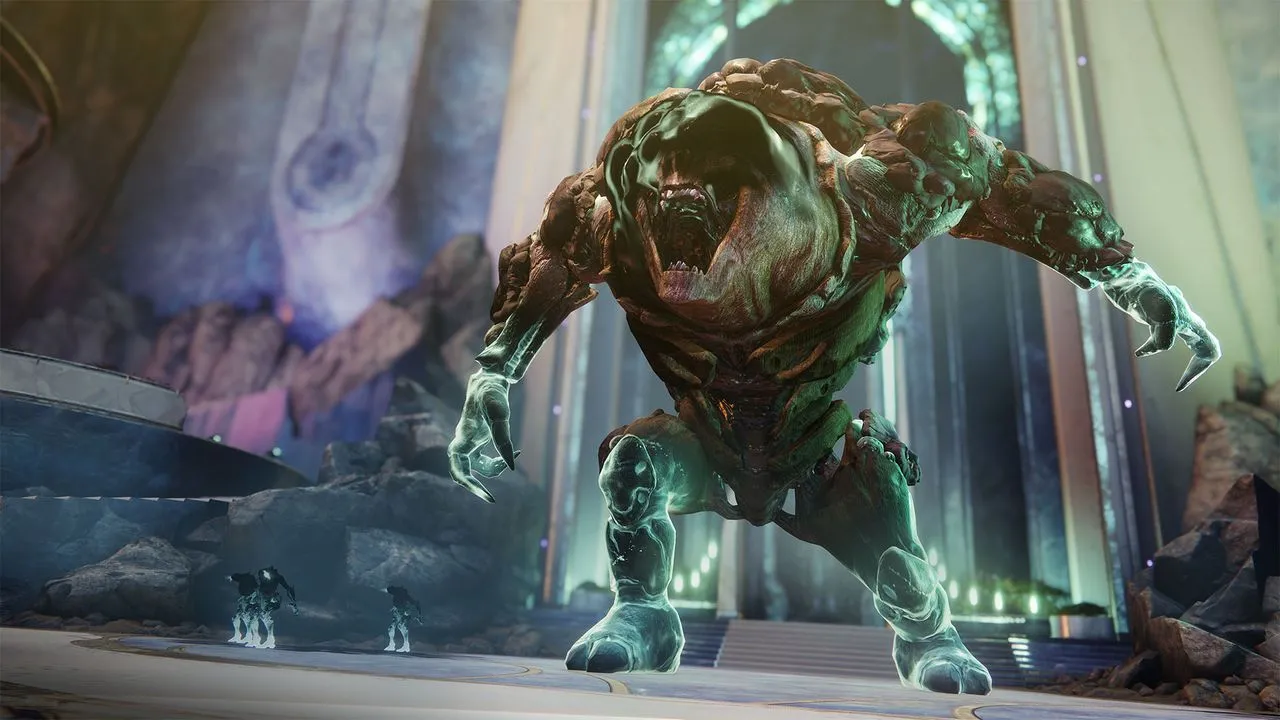
Destiny 2 players are getting a full week of “near infinite damage” in PvE, because Bungie is delaying the fix for an exploit introduced by the Monument of Triumph update. Bungie says it is planning a fix next week likely, but chose to let the bug ride “a bit fun” for more players to experience what it calls godlike power. In practical terms, this means more Atheon beatdowns, more bosses getting deleted, and more clips circulating while the studio counts down to the patch.
The team’s stated rationale is blunt: “Go ahead. Get out there, beat up on Atheon. Destroy some bosses. Do your thing.” Bungie is framing the delay as intentional community entertainment, not neglect. It is also drawing a clear line around where the exploit can and cannot spread. Bungie will disable Artifacts in PvP modes so players are not “falling victim to what the studio is calling ‘The Artifactening,’” while keeping PvE open for the chaos.
Under the hood, the bug is tied to how players stack seasonal Artifact perks. The source describes an exploit that allows players to stack multiples of the same seasonal Artifact perks, reaching “unreasonable damage output.” The result is not subtle tuning. The source specifically calls out that stacking 7 artifacts mods is “completely broken,” and points to a clip showing normal chaos reach damage compared with having stacked 7 thunderous retort. In other words, this is less “strong build” and more “physics optional” gameplay. And Bungie is effectively green-lighting that imbalance for a short window in PvE, while cordoning off PvP where competitive integrity matters more.
For executives, this is a live-ops case study in how studios manage bugs when the incentives are mixed. A delayed fix can increase engagement, increase creator output, and drive social virality, especially when the bug turns fights into meme-worthy spectacles. But it also creates reputational risk. Players can interpret “near infinite damage” as either a fun experiment or a broken trust contract. Bungie is trying to control that narrative by making the guardrail explicit: Artifacts are disabled in PvP modes, so “The Artifactening” does not become an all-queues problem. That’s the important nuance decision-makers will recognize. The studio is not just tolerating the bug everywhere. It is optimizing where the blast radius lands.
There is also a second-order implication around how quickly players discover exploits and how board-level stakeholders might measure “player retention” versus “player confidence.” When a fix is delayed, you typically see two competing metrics move in opposite directions: engagement spikes from players chasing the broken state, while trust can erode if the community believes the studio is prioritizing hype over fairness. Bungie’s communications attempt to preempt that by inviting videos and telling players to “Have some fun. Be Brave.” That is engagement language, but it is also an accountability signal, implying the studio still has a fix scheduled and is not abandoning the problem.
Meanwhile, the Monument of Triumph update didn’t just introduce the damage exploit. It also “brought back another way to cheese bosses,” including punting bosses off ledges. That technique is reportedly being used in The Pantheon, a mode where players fight a series of raid bosses back-to-back. The source highlights a specific demonstration: player Esoterickk sending The Pantheon’s version of Morgeth over the edge for an uncontested victory. This matters because it shows how a single update can reintroduce multiple failure modes, one around numerical damage and another around boss encounter geometry and player movement. In other words, the “brokenness” is not only about numbers. It is also about route discovery and unintended win conditions.
Bungie is not treating those exploits as purely theoretical. Another Bungie voice is quoted in the source: dmg04, described as a Bungie comms manager, telling players on X that it “wouldn’t be a Destiny release if you couldn’t bump a boss off a ledge.” That kind of messaging can be a power move. It turns exploits from a “bug report backlog” into a community identity: players become the historians of chaos. But it also means the studio is implicitly accepting that players will test limits as part of the game’s culture, and that fixes are not just engineering tasks, but narrative management.
Strategically, peers watching this should notice the operational pattern. Bungie is drawing a boundary between PvP and PvE, scheduling a patch for next week likely, and using public messaging to manage expectations while the exploit window stays open briefly. If you run a game business or oversee digital products, the lesson is not “delay bugs and win.” The lesson is that when you do allow a short-lived imbalance, you isolate its impact, communicate clearly, and give the community a reason to channel energy into the expected ecosystem. In short: Bungie is choosing short-term chaos with contained risk. For decision-makers, the stakes are whether that tradeoff increases retention without damaging long-term credibility, and whether your own live-ops playbook can replicate the same kind of selective containment.
This story's Key Insights and Take-aways are locked.
Create a free account to unlock Executive Actions for one credit.
Register to UnlockAlways free for Executives Club members. Join the Club
More in Entertainment

Russell Brand's accuser 'bewildered and confused' as he denies 7 sex charges
The criminal case against the comedian is a live test of how media companies manage talent risk when serious allegations go public.

'It's a Magic Trick': Ballet Experts Say Rosalía's SNL Pose Is Impossible
Three ballet experts tell Rolling Stone Rosalía's gravity-defying SNL stillness shouldn't be possible - and why the debate is now part of the show.

Activision CMO: GTA 6 Will Boost Call of Duty, Not Bury It
Activision's top marketer says Rockstar's blockbuster will drive players back to consoles and into Modern Warfare 4, even as the company admits its recent strategy failed.