
Burnham plans Downing Street “reset,” scrapping Starmer digital ID cards
Labour’s new PM says resources earmarked for digital ID will be redirected to cost of living help.
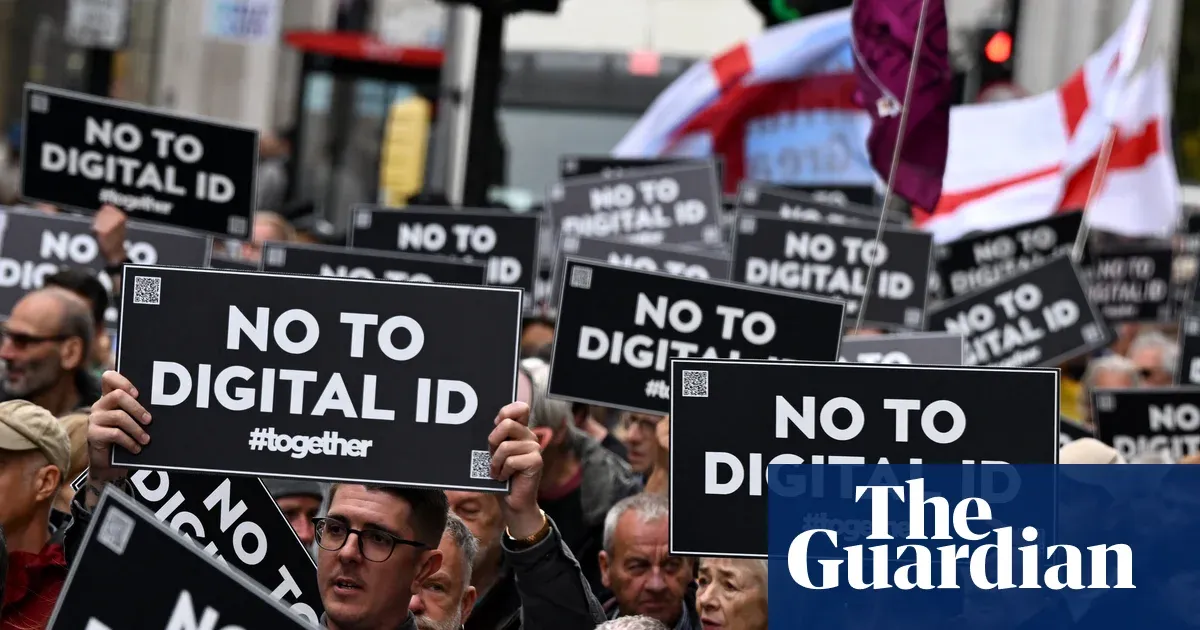
Andy Burnham, the incoming PM, is expected to scrap Keir Starmer’s plans for digital ID cards in a “reset of priorities” on Monday. His team says resources earmarked for the scheme will instead go toward tackling the cost of living.
Andy Burnham, set to enter Downing Street on Monday, is expected to scrap Keir Starmer’s digital ID card plans as part of a “reset of priorities,” according to his team. The practical consequence is immediate: resources earmarked for the scheme will be redirected toward helping tackle the cost of living.
That matters because digital ID programs are never just about paperwork. They are about identity infrastructure, data sharing choices, and the long-run direction of government spending. Burnham’s “reset” signals a shift away from an unpopular or contested policy and toward a faster, more politically urgent target: cost of living pressures.
To understand why this is a big deal beyond Westminster, zoom out to how digital ID usually works. In most modern identity systems, governments do not simply “issue cards.” They set up or enable databases, verification workflows, and integrations with other public services. Once the plumbing exists, it can become the default route for authentication. That turns identity policy into a platform question: what becomes easier, what becomes mandatory, and what data flows become normal.
This is also where the incentive problem shows up. Digital ID initiatives typically require up-front investment, procurement, and phased rollouts. Benefits are often real but not always immediately felt by households in the way energy bills and grocery costs are. Meanwhile, the political calendar runs on visible relief. Burnham’s team indicating a redirection of resources suggests the government is choosing a more immediate payoff, at the moment when public scrutiny is highest and cost of living concerns are most salient.
There is a regulatory and governance angle too. Identity schemes often trigger questions about privacy, security, and the legal framework governing data access. Even when policymakers say the intention is convenience and fraud reduction, the operational reality is that identity programs create new points of failure and new “who can access what” decisions. Those decisions require careful oversight, especially in systems that may involve multiple agencies and possibly private-sector partners. Scrapping the scheme does not eliminate those governance debates. It pauses them, and it changes the trajectory of how government thinks about identity as infrastructure.
For decision-makers observing from outside government, the second-order implications are straightforward. When a major ruling programme is dropped or delayed, contracts, vendors, and internal capability building plans can get re-scoped quickly. Budgets that were earmarked for one strategic lane may be moved to another. That can ripple into procurement calendars, technology roadmaps, and the planning assumptions of organisations that were gearing up to support the digital ID effort.
It also changes the “risk posture” that boards and executives tend to associate with government tech. Digital ID is the kind of initiative that can attract both enthusiasm and backlash, because it sits at the intersection of technology, surveillance concerns, and public trust. A scrapped scheme indicates a political rebalancing, and that often forces companies and investors to reprice policy risk. Even without new numbers in the source, the direction is clear: resources earmarked for digital ID are being treated as less urgent than cost of living support.
Strategically, this is a lesson in prioritization under constraint. Governments rarely have unlimited fiscal or administrative bandwidth. Burnham’s “reset of priorities” frames the identity plan as something that no longer fits the moment. For other leaders, the stakes are similar: when public pressure rises, projects that take longer to pay off become easier to cut, especially if they were already unpopular or contested.
In short, Burnham’s expected decision on Monday is not just a political tweak. It is a reallocation of attention and funding away from digital ID cards and toward tackling the cost of living, reshaping how identity infrastructure, data governance debates, and government tech priorities will evolve next.
This story's Key Insights and Take-aways are locked.
Create a free account to unlock Executive Actions for one credit.
Register to UnlockAlways free for Executives Club members. Join the Club
More in Politics

LA County: DOJ's 20,000 'noncitizen' voter list is 'unreliable,' includes U.S.-born
Preliminary review by Los Angeles County election officials finds errors in the federal list, raising the stakes for voter roll integrity ahead of November.

Trump's $1.5B Pentagon chip investment lands in North Carolina
A $1.5 billion defense infusion for North Carolina chipmaking signals a new era of Pentagon-backed reshoring - here's what it means for the industry.

Nigeria confirms first Ebola case in Abuja, a woman just off a Uganda flight
Health Minister Muhammad Ali Pate says the patient flew in from Uganda, putting Africa's latest outbreak on Nigeria's doorstep.