

C-141 Starlifters flew from 1965 to 2006, then the C-17 took over.
Inside the last C-141B at the Air Mobility Command Museum, and what replaced it in the long-haul fight.

The C-141 Starlifter, built by Lockheed (now Lockheed Martin), entered service in 1965 and operated until 2006, when the Air Force replaced it with the C-17 Globemaster III. For decision-makers, the handoff between airlift platforms reshapes readiness, logistics capacity, and the industrial pipeline behind defense mobility.
The C-141 Starlifter spent 41 years as a US Air Force “workhorse,” operating from 1965 to 2006 before the Air Force replaced it with the C-17 Globemaster III. That timeline matters because it marks more than a fleet swap. It captures how the military moved from a classic large-payload transport model to a newer aircraft built for speed, runway flexibility, and sustained global logistics.
Start with what the C-141 did for over four decades: it transported troops and cargo, supported combat deployments, and helped in humanitarian emergencies. From the Vietnam War through Operation Iraqi Freedom, the aircraft airdropped troops, evacuated wounded soldiers and prisoners of war, and transported crucial military supplies into combat zones as part of the Air Mobility Command. It also participated in humanitarian missions, including medical shipments and evacuations following natural disasters such as Hurricane Katrina. In other words, this was not a novelty plane. It was infrastructure for people moving under pressure.
If you want a tangible sense of why it earned that reputation, the Air Mobility Command Museum on Dover Air Force Base in Delaware lets visitors walk through one of the last C-141B Starlifters ever stationed there. Admission is free, and the details are unusually concrete. The plane door museum-goers enter through is one of the two doors that paratroopers used to jump out of. The museum exhibit also includes the cargo bay, the cockpit, and the crew bunks, so you can see how the aircraft was built to switch roles from airborne troop drops to cargo runs.
The design centers on capacity and throughput. The first C-141A model entered service in 1965 and was unveiled by President John F. Kennedy in 1963. The C-141B first flew in 1977 and could carry up to 68,000 pounds of cargo, which the source notes was 30% more than the C-141A, and fly as fast as 500 miles per hour, powered by four turbofan engines. In the rear, cargo doors enabled loading, unloading, and airdropping cargo. The plane could hold up to 168 paratroopers, and it had two troop doors, one on either side behind each wing.
The cargo bay dimensions are where the “big plane” becomes operational math: 93 feet and 4 inches long, and 10 feet and 3 inches wide. The C-141 could transport cargo and troops who sat on foldout red benches, with room for 205 service members. It was configurable for wheeled vehicles such as towed artillery, armored personnel carriers, and trucks. It could also hold 13 463L pallets, each weighing 290 pounds. Those pallets are named for the month and year they were developed, April 1963, and the nylon nets help keep cargo secure in up to 8 Gs, or 8 times the force of gravity. That’s the kind of engineering detail that matters to a commander: secure loads in turbulent flight, not just “carrying” in theory.
Even the crew setup shows why the C-141 earned long-haul credibility. The C-141B could be refueled while in flight thanks to aerial tankers that transfer fuel via an extendable gas pump called a boom. With no need to stop and refuel, the C-141B could fly nonstop to and from international destinations. Inside, a cordoned crew rest area behind a wall provided space for in-flight rest on long flights, with the crew rest area featuring elevated bunks and cots behind the flight deck.
Then comes the pivot: the C-141B’s systems and roles got outpaced. The flight deck featured seats for the pilot, co-pilot, navigator, and flight engineer, plus a jump seat used by the second flight engineer, known as the scanner when not at the flight engineer’s console. The flight engineer monitored and managed aircraft systems, including the engines, but the role largely became obsolete with the introduction of digital technology. As the Air Force retired C-141 Starlifters, they were replaced by the C-17 Globemaster III.
Here is where the replacement is not just “newer.” The C-17 Globemaster III entered service in 1993 and continues to support combat operations and humanitarian missions, picking up where the C-141 left off as the US military's primary long-haul transport aircraft. The source notes the C-17 can transport up to 170,900 pounds of cargo, more than twice the capacity of the C-141B, and fly at 450 knots, or about 517 miles per hour. It can operate on runways as short as 3,500 feet and only requires three crew members: a pilot, co-pilot, and loadmaster. The short runway landing capability shows up in modern training events, like a C-17 landing during Luke Day 2026 on March 22, 2026, at Luke Air Force Base, Arizona.
For the industry, the C-141-to-C-17 handoff also points to long-term industrial commitment. The source states Boeing has a $2.5 billion contract to sustain the Air Force’s C-17s, and that there continues to be interest in building new Globemasters even though Boeing closed the production line over a decade ago. In the background, you have operational readiness, lifecycle sustainment contracts, and a supply chain that can’t just be paused when a production line stops. Even at retirement ceremonies, the emphasis was on the aircraft’s operational record. In 2004, June Shrewsbury, Lockheed Martin's vice president of Strategic Airlift, said at a C-141 retirement ceremony that “In every conflict, every disaster, every contingency anywhere on the globe, Starlifter crews have been the first responders,” and added that “The C-141 has quite a record of achievement.”
If you run a defense-focused company, sit on a board evaluating program risk, or invest in aerospace industrials, the lesson is straightforward but uncomfortable: airlift capacity is strategic power in motion, and platform transitions are multi-decade systems problems. The C-141 may be in a museum, but the reason it ran from 1965 to 2006 and got replaced is the same reason stakeholders will keep caring about the next platform. Logistics capability, crew model efficiency, runway flexibility, and the sustainment pipeline are not background details. They are the business of readiness.
This story's Key Insights and Take-aways are locked.
Create a free account to unlock Executive Actions for one credit.
Register to UnlockAlways free for Executives Club members. Join the Club
More in Politics
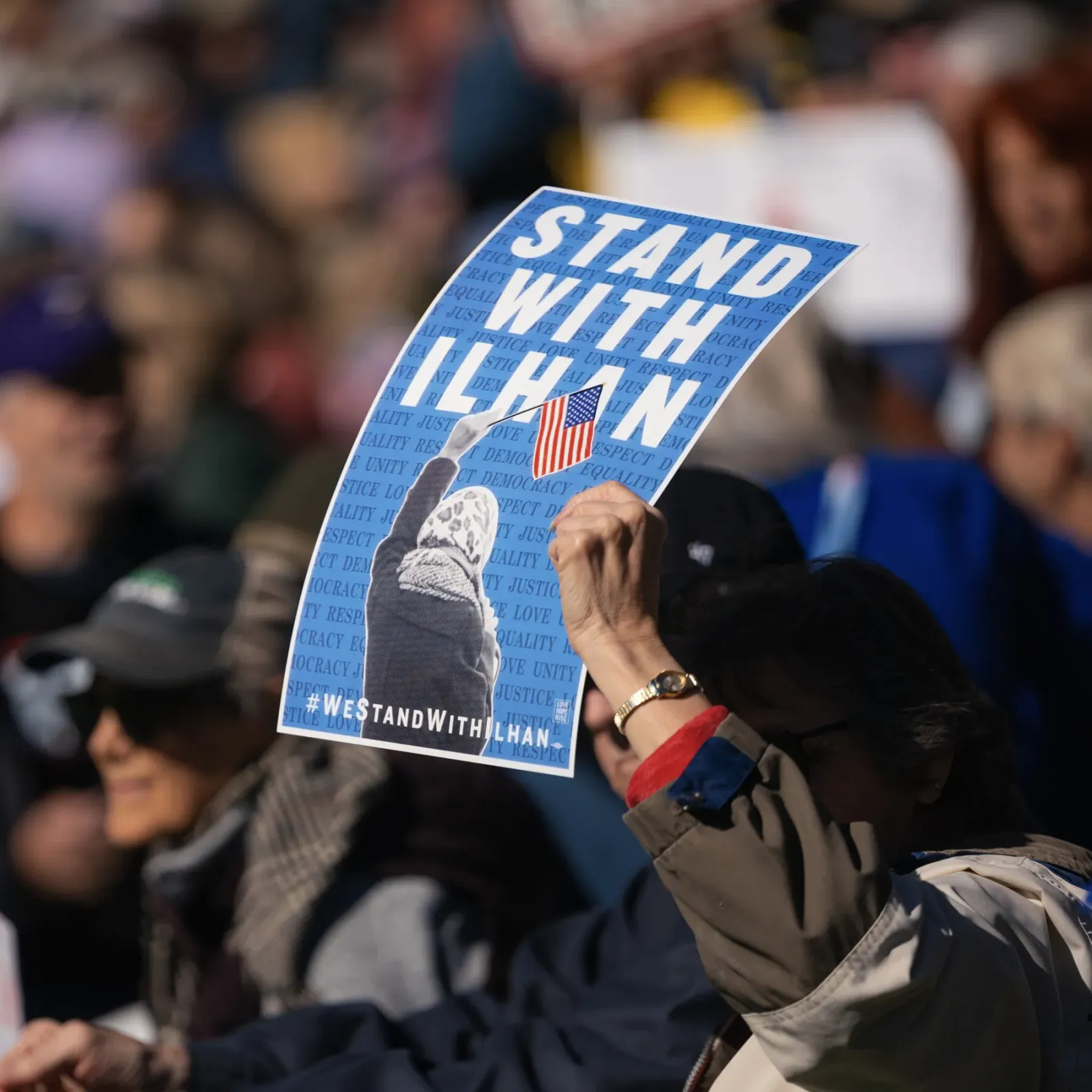
Obama Defends Ilhan Omar After Agents Search Her Home in Trump Inquiry
The former president's intervention raises the stakes in a federal probe into immigration paperwork that has put a prominent progressive lawmaker in the crosshairs.

Blair-era minister: cut welfare to fund youth job support
Alan Milburn's call for welfare cuts to fund employment support opens a Labour fight over benefits and the Neet crisis.

Hot September CPI: energy costs surge, voters feel the squeeze before midterms
The latest inflation print lands as Trump campaigns for GOP control of Congress, putting cost-of-living worries at the center of the midterm fight.