
Supreme Court upholds bans on transgender girls and women athletes in two states
The decision cements restrictions, deepens legal defeats for advocates, and forces schools and boards to re-plan policy fast.

The Supreme Court upheld two state laws blocking transgender athletes from participating in girls' and women's sports. For decision-makers, the ruling extends a pattern of courtroom setbacks and turns policy uncertainty into operational reality.
The Supreme Court ruling upheld two state laws blocking transgender athletes from participating in girls' and women's sports, delivering another round of defeats for advocates. It is the latest in a series of losses that has been reshaping how education systems, athletics departments, and lawmakers think about eligibility rules.
Why this matters for executives is simple: when courts decide eligibility, the rest of the world stops debating and starts complying. That means school districts, athletic governing bodies, and any organization that relies on participation rules or youth sports access now faces a narrower set of “maybe” options and a clearer path for enforcement. The ruling does not just change headlines. It changes schedules, eligibility reviews, team rosters, and the governance workload that comes with managing appeals and risk.
To understand why this is such a big operational shift, it helps to remember what these disputes typically revolve around. In girls' and women's sports, eligibility policies are often treated as core to competitive fairness, participation opportunities, and the integrity of established categories. Courts, meanwhile, weigh questions like the legal authority of states to set eligibility standards, the scope of what the laws regulate, and the arguments about whether the rules discriminate or are justified under the states' stated goals. This case adds to that ongoing legal tug-of-war, with the Supreme Court choosing to uphold restrictions in two states.
This ruling also lands in the middle of a broader regulatory and compliance environment where institutions cannot afford to be casually optimistic. Even when litigation is pending, organizations typically plan for the most constrained scenario, because the downside of being wrong is real: policy backlash, member complaints, and reputational damage, plus administrative costs if eligibility procedures become unstable. After the Supreme Court’s decision, those “contingency plans” stop being theoretical. They become the baseline for how boards and executives schedule governance decisions, handle athletic directors' questions, and communicate changes to students and families.
For decision-makers, the boardroom implication is that legal outcomes increasingly drive operational timelines. Athletics are not a one-time compliance checkbox. They are recurring. Rosters are built, tryouts happen, eligibility paperwork is collected, coaches run programs, and students make plans around seasons. When eligibility rules change due to court rulings, leaders need to translate legal language into practical policy, training, and process. That includes defining what documents are required, who makes determinations, what the appeal pathway looks like, and how conflicts are handled across district lines.
There is also a second-order effect that often catches organizations off guard: litigation history becomes policy leverage. A series of defeats, like the one referenced in the reporting, can make it harder for institutions to argue that rules will be overturned soon. That shifts negotiation dynamics. If stakeholders believe the legal direction is stable, internal teams will invest more in implementation and less in hoping for reversal. In practice, that can freeze disputes at the state level and push future fights toward state legislatures, administrative processes, or other jurisdictions.
Finally, the strategic stakes extend beyond schools. Eligibility rules influence who shows up, who trains, and how programs allocate resources. They can affect enrollment interest, community trust, and sponsorship dynamics, especially for organizations that market youth sports participation as values-based. Executives who oversee multi-site operations or partner networks need to assume that different states could be moving at different speeds, and that a Supreme Court decision can harden the pace of change rather than soften it.
In the near term, the ruling upheld by the Supreme Court is a clear signal that the rules blocking transgender athletes from girls' and women's sports are likely to stay in place where the underlying state laws apply. For boards and operators, the task is not to relitigate the logic in public. It is to reduce uncertainty internally, build predictable eligibility processes, and communicate with clarity to avoid operational whiplash. Advocates are described as crestfallen, but the compliance reality is immediate: the legal system has spoken, and the rest of the system has to listen.
This story's Key Insights and Take-aways are locked.
Create a free account to unlock Executive Actions for one credit.
Register to UnlockAlways free for Executives Club members. Join the Club
More in Politics
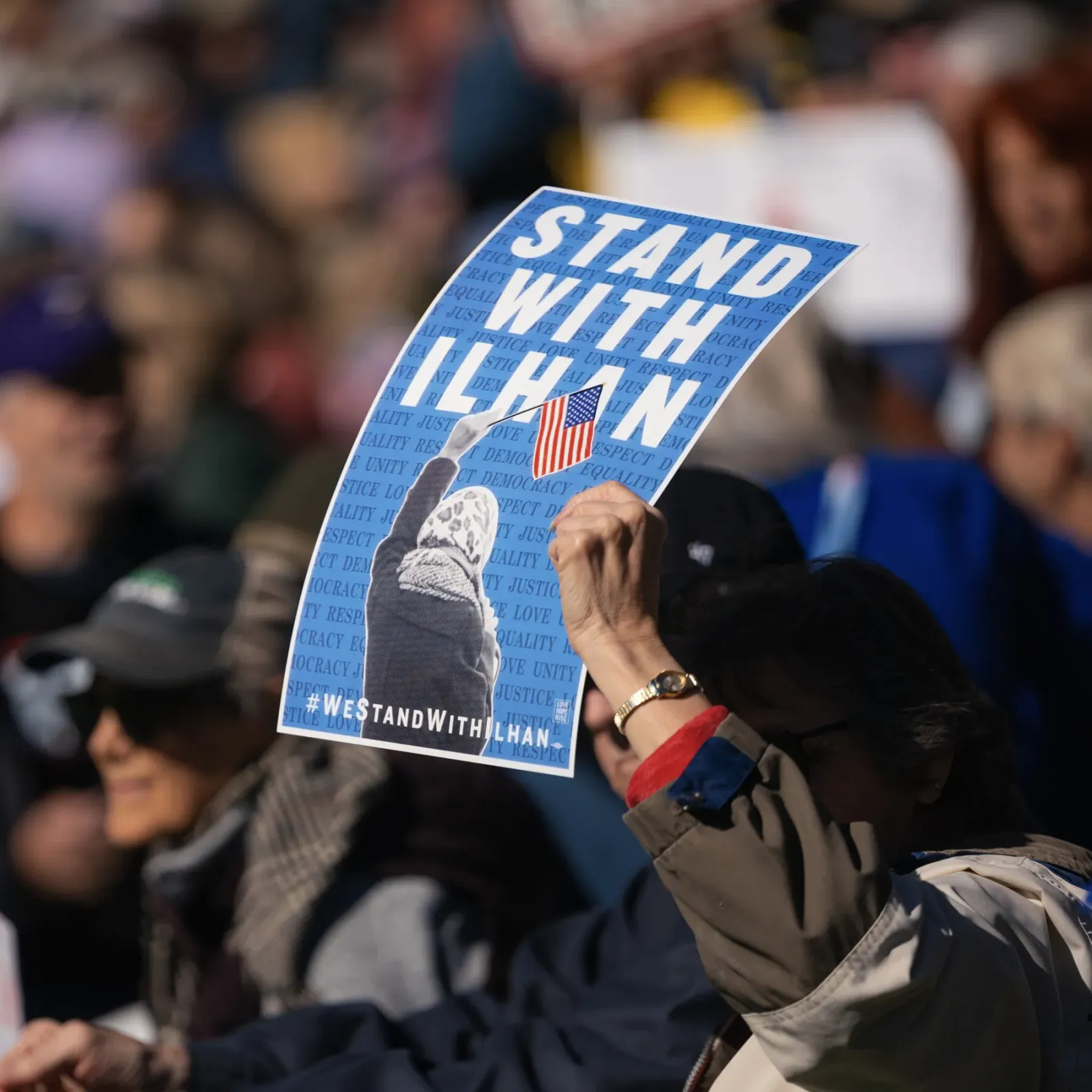
Obama Defends Ilhan Omar After Agents Search Her Home in Trump Inquiry
The former president's intervention raises the stakes in a federal probe into immigration paperwork that has put a prominent progressive lawmaker in the crosshairs.

Blair-era minister: cut welfare to fund youth job support
Alan Milburn's call for welfare cuts to fund employment support opens a Labour fight over benefits and the Neet crisis.

Hot September CPI: energy costs surge, voters feel the squeeze before midterms
The latest inflation print lands as Trump campaigns for GOP control of Congress, putting cost-of-living worries at the center of the midterm fight.