
Capcom kills Dragon's Dogma 2 deluxe on June 24, removes key time-saving microtransactions
The publisher is discontinuing the deluxe edition and pulling many controversial time-savers, a reputational and regulatory pressure test for game monetization.
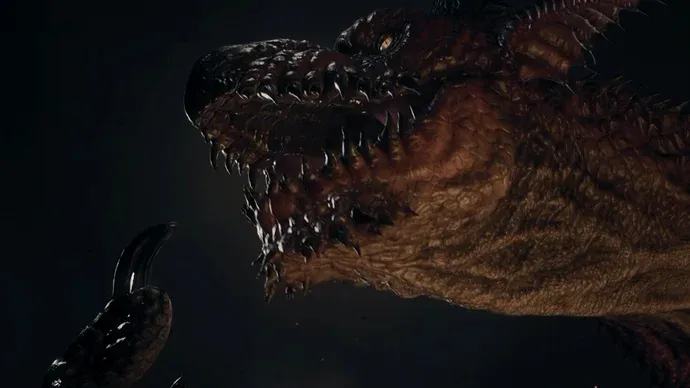
Capcom is discontinuing the deluxe edition of Dragon's Dogma 2 on 24th June and withdrawing many of its more controversial time-saving microtransactions. For executives and board members, this signals that monetization backlash can force fast product and offer rewrites, not just patches.
Capcom is discontinuing the deluxe edition of Dragon's Dogma 2 on 24th June, and it is also withdrawing many of its more controversial time-saving microtransactions. In other words, the company is changing what players can buy, and it is doing it on a specific date, not as an indefinite “we’ll look into it” promise.
For decision-makers, the headline fact matters because it is operational: a game offer is being removed from the market and a monetization mechanism is being pulled back. That is the kind of course correction that usually happens only after a lot of friction, whether that friction is public sentiment, platform scrutiny, or pressure from consumer protection expectations. Even with sparse details in the report, the direction is clear. Capcom is taking active steps to reduce the availability of time-saving purchases and end sales of the deluxe edition.
To understand why this is such a big deal in 2026, you have to remember how deluxe editions and time-saving microtransactions tend to function in modern game economics. A deluxe edition is often bundled with additional cosmetics, items, or early access-like benefits that are designed to shift early demand and increase average revenue per user. Time-saving microtransactions, by contrast, directly change the pace of progression. They can feel less like optional cosmetics and more like an “pay to skip” lever, which is where controversy often concentrates.
This move fits a broader, industry-wide pattern. Publishers have increasingly leaned on microtransactions and tiered editions to smooth revenue curves after launch. But controversy is not just a PR problem. It becomes a distribution and policy problem when platforms, app ecosystems, and consumer regulators care about transparency, fairness, and whether monetization undermines the base product experience. Executives in other categories have learned this the hard way: when a purchase mechanic starts to look coercive, “tuning” it can be cheaper than defending it endlessly.
Capcom’s specific action also raises a governance question boards should care about: how quickly can management unwind a monetization plan once the market decides it is unacceptable? Discontinuing a deluxe edition and pulling many time-saving microtransactions is not a hotfix. It is an offer-level change that affects what customers can purchase and how future sales and player sentiment will be measured. That implies internal processes that can respond fast enough to remove controversial revenue streams rather than merely adjust messaging.
There is also a customer trust angle that matters more than it sounds. When a publisher withdraws purchases that helped players “save time,” it sends a signal that the value proposition is being renegotiated. Players who already spent may wonder about sunk value; players who refused may interpret the change as validation. Either way, the game’s community narrative shifts. That shift can influence retention, reviews, and word-of-mouth, all of which become more important when initial launch hype cools.
Second-order implications extend beyond Dragon's Dogma 2. If the market sees Capcom making this kind of move, it raises the bar for other publishers considering similar mechanics. Boards may push for clearer “what is optional, what is essential” lines in monetization design. Finance leaders may also update risk models: revenue that depends on time-saving purchases might be more volatile than revenue tied to cosmetics or purely expansion content, because it can be targeted for withdrawal under pressure.
Finally, this is a reminder that monetization strategy is now a real operational battlefield, not a purely creative one. Dates like 24th June turn a debate into a timetable. Once that timetable exists, executives have to manage the fallout across support teams, storefront operations, and ongoing communications. The stakes are bigger than a single SKU. For any company watching the gaming monetization landscape, this is a live case study in how quickly controversial offer design can be reversed, and how that reversal can reshape both brand and future earnings assumptions.
This story's Key Insights and Take-aways are locked.
Create a free account to unlock Executive Actions for one credit.
Register to UnlockAlways free for Executives Club members. Join the Club
More in Entertainment

Russell Brand's accuser 'bewildered and confused' as he denies 7 sex charges
The criminal case against the comedian is a live test of how media companies manage talent risk when serious allegations go public.

'It's a Magic Trick': Ballet Experts Say Rosalía's SNL Pose Is Impossible
Three ballet experts tell Rolling Stone Rosalía's gravity-defying SNL stillness shouldn't be possible - and why the debate is now part of the show.

Activision CMO: GTA 6 Will Boost Call of Duty, Not Bury It
Activision's top marketer says Rockstar's blockbuster will drive players back to consoles and into Modern Warfare 4, even as the company admits its recent strategy failed.