
Capcom ships Dragon's Dogma 2 update no.1, answering fast-travel complaints before Dark Arisen
The first of two major updates lands on Wednesday, targeted at player gripes and setting expectations for the Dark Arisen DLC follow-up.
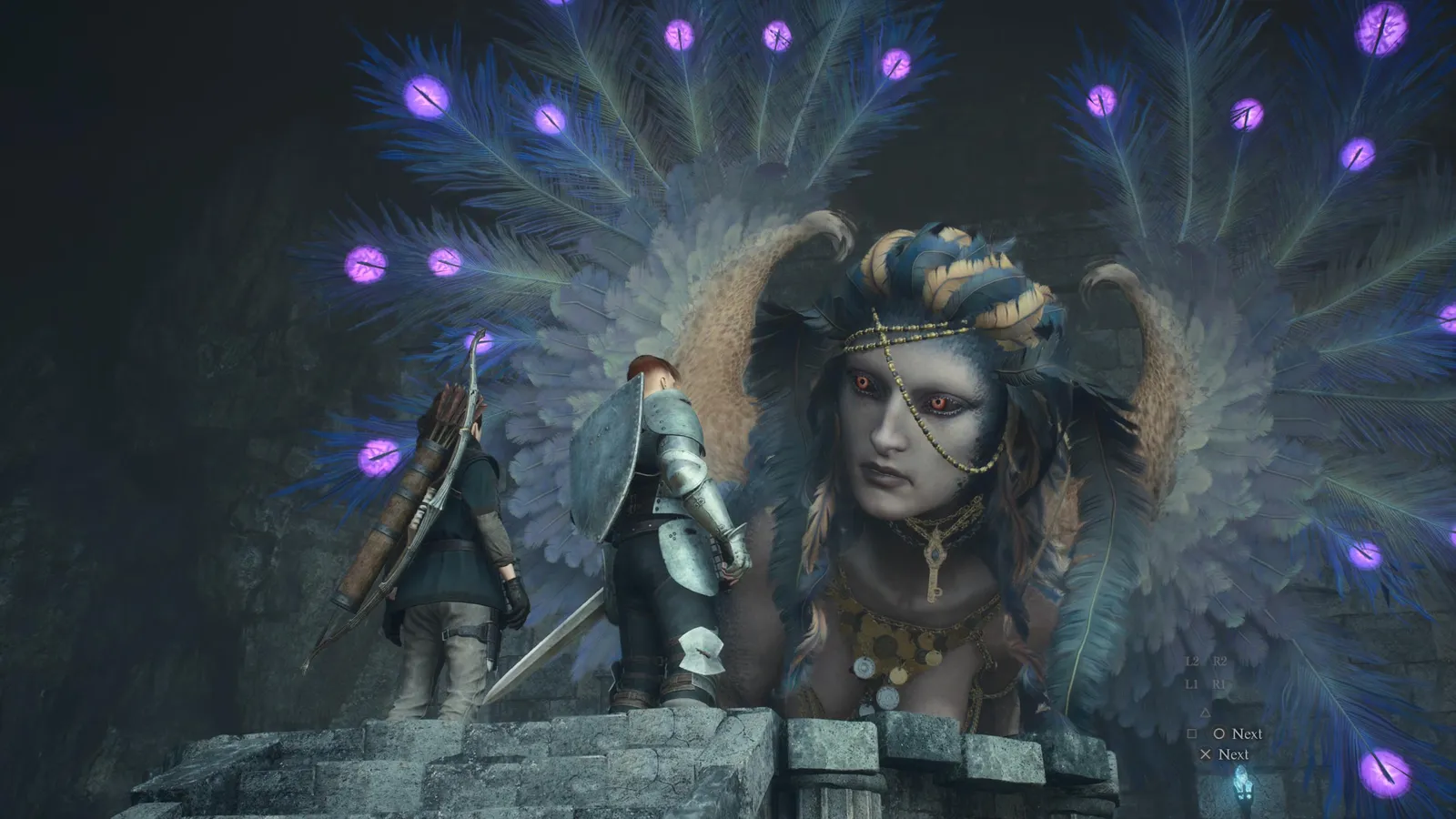
Capcom released the first of two planned major updates for Dragon's Dogma 2 on Wednesday. For decision-makers watching live-service reputation and DLC momentum, this is a fast test of whether updates can repair churn drivers before the next paid beat.
On Wednesday, Capcom released an update for Dragon's Dogma 2 that addresses several player complaints, and it is the first of two planned major updates. The timing matters because Dragon's Dogma 2 has been a split-screen experience for players, especially around how fast travel works, and that kind of friction does not stay contained. If users feel the system is limiting, they can either adapt, disengage, or actively vent, which can shape the game's long-term word-of-mouth as much as any feature roadmap.
The core issue is straightforward and it hits players where it hurts: fast travel is constrained. Teleporting around the map requires one-and-done rare items, or it means relying on hitching a ride in an oxcart that may or may not survive the journey, including the chance that a monster attacks partway through. The result is that much of the journey becomes backtracking on foot. When a game asks for repeated walking, the cost is not just time. It is attention, momentum, and the emotional hit of feeling like you are fighting friction instead of exploring content.
Capcom's move is notable not because an update is unusual, but because the updates are staged. This is explicitly the first of two major updates planned by the publisher. Staging matters for expectations. A single patch can feel like damage control, but a sequence signals a longer response window, which can stabilize communities while they wait for the next release. It also creates a measurable period where players decide whether the studio is serious about addressing the biggest pain points or just cleaning up smaller issues.
There is also a strategic reason this kind of update cycle tends to matter for boards and leadership teams beyond fan satisfaction. Dragon's Dogma 2 is already out in the world and has been “received quite positively” overall, but the fast-travel dispute suggests a classic split between what the core audience enjoys and what some players find punitive. In games, that split can translate into churn. Players who dislike a core system do not always quit instantly, but they often reduce their engagement, spend less on optional content, and become less likely to return for DLC, especially when DLC arrives later and they are deciding whether their time investment is worth it.
From a product and operating perspective, “addresses several player complaints” is the phrase that matters. It tells you Capcom is reacting to documented feedback rather than waiting for Dark Arisen to fix everything later. Dark Arisen is the DLC named in the update announcement, and the fact that this patch is explicitly ahead of it changes the incentive picture. If the studio waits, the DLC launch can become a referendum on whether earlier issues were handled. If the studio acts now, the DLC can instead build on improvements, not defend itself against criticism.
Second-order implications show up in how communities interpret credibility. Players often remember not only what changes, but whether the studio listened and whether the fix arrives on a timeline. Since this is the first of two major updates, Capcom is effectively establishing a delivery cadence. If the next update follows through, that can soften skepticism. If not, the first patch could be viewed as a temporary bandage. For executives, the operational takeaway is that update sequencing is a credibility asset, and credibility compounds.
There is also an industry context worth keeping in mind. While the source does not mention regulators or compliance, live games still sit under a general consumer-protection and transparency lens in many markets, particularly when systems affect purchasing decisions, perceived value, or “time to play” experiences. Even without naming specific legal issues, leadership teams know that friction around gameplay systems can become reputational friction that spreads faster than any formal communication. In other words, the patch is not only a gameplay tweak. It is a signal about how the company manages player trust.
For peers in similar roles, this is the strategic stake: when a core system is contested, the response has to be both timely and specific. Capcom is choosing to ship update one on Wednesday and to frame it as the first step toward a broader plan before Dark Arisen. The question executives should ask internally is whether the next update will extend the fix beyond immediate complaints and whether the studio can convert a divided experience into a more aligned one before the DLC audience forms their final opinion.
This story's Key Insights and Take-aways are locked.
Create a free account to unlock Executive Actions for one credit.
Register to UnlockAlways free for Executives Club members. Join the Club
More in Entertainment

Russell Brand's accuser 'bewildered and confused' as he denies 7 sex charges
The criminal case against the comedian is a live test of how media companies manage talent risk when serious allegations go public.

'It's a Magic Trick': Ballet Experts Say Rosalía's SNL Pose Is Impossible
Three ballet experts tell Rolling Stone Rosalía's gravity-defying SNL stillness shouldn't be possible - and why the debate is now part of the show.

Activision CMO: GTA 6 Will Boost Call of Duty, Not Bury It
Activision's top marketer says Rockstar's blockbuster will drive players back to consoles and into Modern Warfare 4, even as the company admits its recent strategy failed.