

Casio turns “cheap” watches into a cash cow, reshaping its profit mix
The once-maligned low-end segment is now a strategy, not an afterthought, for Casio’s earnings engine.
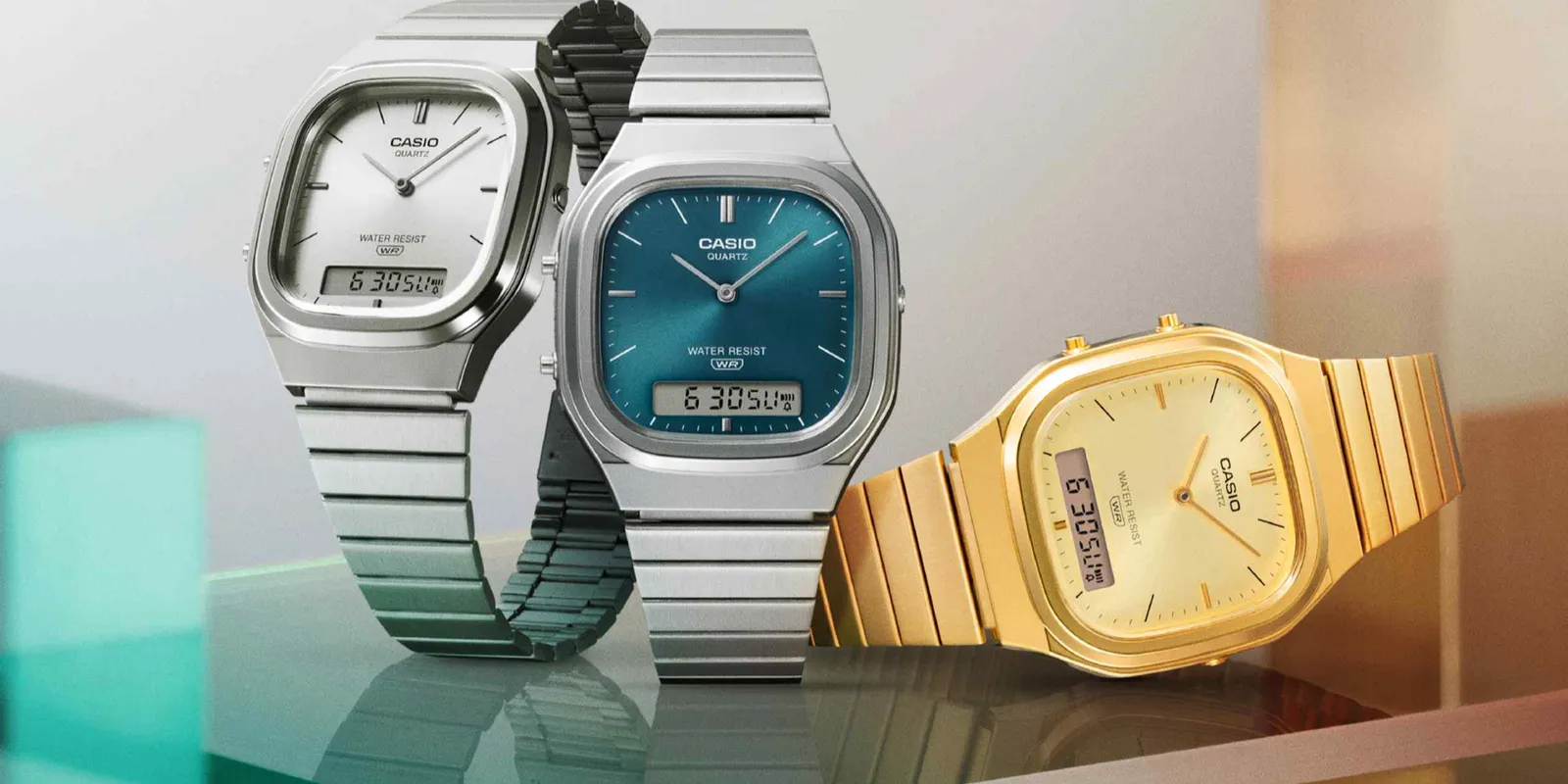
Casio is finding a new cash cow in “cheap” watches that were once treated as less desirable. For decision-makers, the shift signals where margins and demand resilience may be hiding in consumer electronics.
Casio has a new profit lever, and it comes from a category the brand used to downplay. Nikkei Asia reports that Casio is finding new cash cow in once maligned “cheap” watches. In other words, the low-end segment is no longer just filler between fashion cycles. It is becoming a real part of how Casio generates earnings, and that matters because it changes how the company thinks about demand, inventory risk, and pricing.
What does “once maligned” mean in practice? The framing is clear: these are not the premium, spec-sheet flex watches that get collectors excited. They are the affordable watches that traditionally sat in the background, competing on accessibility rather than prestige. Now, Casio is treating that cheap watch positioning as a strategic asset. That is a meaningful reversal for any consumer hardware business, especially in a market where the default instinct is to chase higher price points during periods of uncertainty.
To understand why this is interesting, zoom out to how consumer electronics typically manage uncertainty. In slowdowns, consumers become selective, and discretionary spending migrates. Premium items can suffer because buyers delay upgrades. But value products often hold up better because they match the mood of the moment: “good enough, now.” For an established brand like Casio, the cheap-watch base is not just volume. It can also serve as a stabilizer when demand patterns swing.
There is also a product and operations angle. When you win with lower-priced products, your supply chain and assortment discipline matter more, not less. Cheap watches tend to be more standardized, which can help with planning and reduce the scramble costs that hit margins when demand forecasts miss. The second-order effect for executives is that a “cheap” success story can force a company to invest not only in marketing, but also in manufacturing reliability, component sourcing, and distribution efficiency. In fast-moving retail environments, execution speed can be as valuable as design.
Casio’s move also lands in the broader competitive landscape for watch brands. The industry has leaned on differentiation: materials, branding, and lifestyle positioning. Yet affordable segments can still carve out durable demand, particularly when they become habitual purchases. If “cheap” watches are delivering better financial outcomes, that suggests Casio has identified a specific willingness-to-pay band where it can compete effectively. For boards and CFOs, that is a flashing light. It means growth does not automatically require expensive reinvention. Sometimes it requires disciplined focus on where the customer is already voting with their wallet.
One reason markets pay attention to these reversals is that they can reshape performance narratives during earnings season. Investors and analysts often build models around assumptions like product tier mix and geographic demand. When a formerly overlooked segment starts acting like a cash cow, it can shift the expectation for future profitability. That impacts everything from capital allocation decisions to how management communicates next-quarter priorities.
There is also a governance and incentive component. Segment-level profitability can change how management teams allocate internal resources. If the cheap-watch line is producing outsized returns relative to expectations, it can become a magnet for budgets and executive attention. That can create trade-offs: growth initiatives that were previously prioritized might need to share internal oxygen. Boards generally dislike surprises, but they do like clarity. If Casio is reclassifying “cheap” watches from a low-status category to a cornerstone, the company needs to back that up with consistent execution and transparent reporting.
Finally, the strategic stakes extend beyond Casio. For other consumer device makers and brand operators, the lesson is uncomfortable in a good way. “Undervalued” does not always mean “temporary.” Sometimes it means the business is sitting on a segment that is structurally resilient, scalable, and margin-friendly if run correctly. If Casio can turn once-maligned cheap watches into a cash cow, that pressures peers to re-evaluate their own product mix assumptions. The question for executives is not just whether consumers will buy a product. It is whether the company’s current playbook has been ignoring the part of the business that customers already trust, already repurchase, and already recommend.
This story's Key Insights and Take-aways are locked.
Create a free account to unlock Executive Actions for one credit.
Register to UnlockAlways free for Executives Club members. Join the Club
More in Business

Uber buys Delivery Hero for nearly $15B, vaulting to top food delivery outside China
The deal doubles Uber's dual-services footprint and pushes a ride-and-eats bundling play into 50 more markets.

Epic and Google drop settlement bid, forcing rival Android app stores by July 22
Google told the court it is ready to carry third-party app stores starting Wednesday, July 22.

SK Hynix opens at $170, raises $26.5B, and tops foreign IPO records
In Friday's Wall Street debut, SK Hynix turns AI RAM demand into a $26.5B fundraising moment that rewrites comps.