
CazéTV wins all 104 World Cup games in Brazil, beating Globo with Twitch-born energy
FIFA expands its influencer-led model: digital-only deals with CazéTV, plus TikTok and YouTube preview windows.
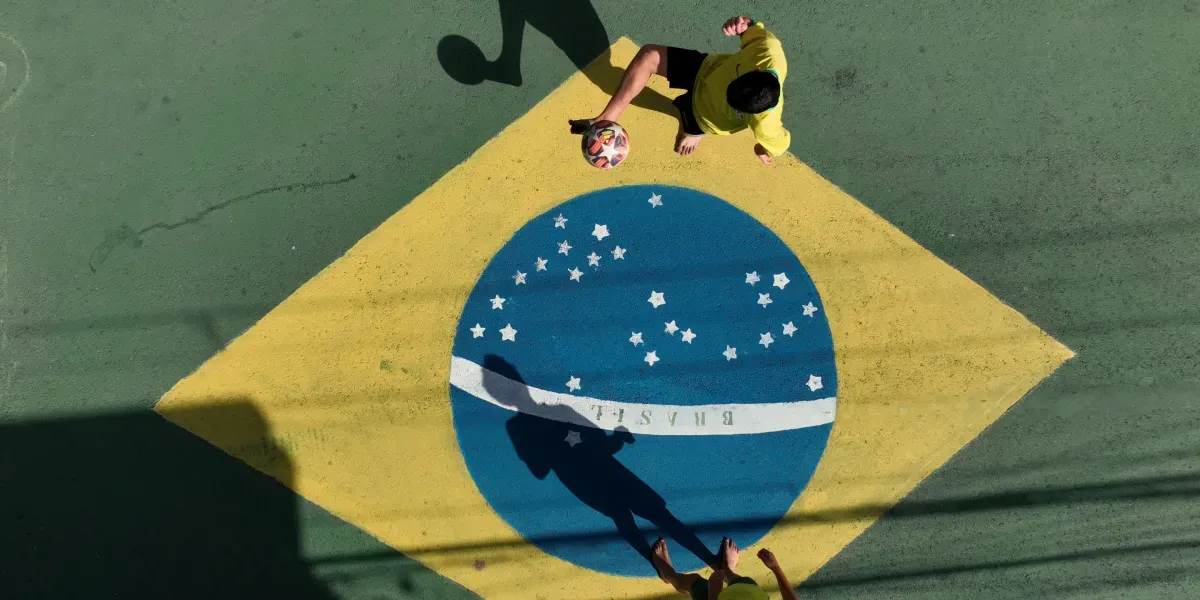
Brazil's CazéTV, under LiveMode, won rights to show all 104 World Cup matches in Brazil, expanding a 2022 experiment featuring streamer Casimiro Miguel. The shift reshapes how rights holders, broadcasters, and digital platforms will pitch the next tournament cycle.
Brazil’s World Cup watching just got a quiet but massive reversal: CazéTV becomes the only channel, digital or traditional, with rights to all 104 games in Brazil. Globo, the longtime soccer gatekeeper, will show 55 games. The reason this matters is simple: for the duration of the tournament, the country’s attention will center around a streaming-first, influencer-led broadcast model, not the usual TV exclusivity play.
This deal is an expansion of FIFA’s earlier test with Casimiro Miguel, now 32, and his partner LiveMode. For the 2022 Qatar World Cup, FIFA reached a deal with them to broadcast 22 matches on the CazéTV YouTube channel. FIFA viewed the trial as a resounding success because it paired an informal, conversational format with higher engagement and content creators participating as commentators. That success is now being scaled into the full 104-game package for Brazil, starting with this year’s World Cup, which begins Thursday and runs through July 19, with 48 teams.
Under the hood, FIFA is framing this as a youth engagement strategy built around “record number of deals with broadcast partners that carry digital-only platforms.” In other words, it is not trying to replace traditional broadcasters so much as it is trying to bend the funnel. FIFA’s stated approach is to grab viewers with digital experiences, then encourage them to go back for more via traditional channels. That is a critical nuance for decision-makers: the goal is not just distribution. It is behavior change, shifting where fans start watching and how they interact during games.
For CazéTV and LiveMode, the commercial logic is already visible in how they describe their audience. LiveMode co-founder Sergio Lopes told The Associated Press that there is an audience that connects with digital first, typically younger viewers, and that they do not just want to watch a match. They want to participate in the conversation, interact in real time, and feel like they are part of a community. This lines up with how influencer-led sports coverage performs online: commentary becomes a shared activity, and the broadcast turns into a live social experience rather than a one-way transmission.
There is also a strategic capital story tucked inside the broader rights story. LiveMode announced last month that it launched an international broadcast arm, with Cristiano Ronaldo listed as one of its shareholders. That Portugal-facing channel will broadcast one game per day during the World Cup, including all of Portugal’s matches and the final. Ronaldo is 41 and is making his sixth World Cup appearance with the national team. Whether you view this as fandom synergy or media investment, it is a signal that digital-first sports media is moving from experimental to institutionally funded.
Meanwhile, FIFA’s digital expansion is not limited to Brazil. Earlier this year, FIFA picked TikTok as the first “preferred platform” for video content on social media at the World Cup, giving creators access to content. Rights-holding broadcast rights holders can livestream parts of the 104 games at a dedicated hub on TikTok. Then in March, FIFA reached a deal with YouTube so rights-holding broadcasters can stream game action live on the video platform, with rights-holders allowed to broadcast the first 10 minutes of games. YouTube’s vice president of entertainment and sports marketing Angela Courtin described the logic as: YouTube is where global sports fans tune in before, during, and after the game, and the platform plus creator reach provides FIFA’s media partners a pathway to upload more premium content to their YouTube channels. She also referenced a live YouTube FIFA Creator Cup in New York City this July.
If you are sitting in a broadcaster’s boardroom or on a CFO’s dashboard, this is where the second-order pressure lands. FIFA expects the 2026 World Cup to break all records related to digital and streaming audiences. In 2022, FIFA reported 5 billion total engagements in Qatar, with 2.7 billion through digital and streaming services and 2.9 from linear television. The final drew nearly 1.5 billion total viewers, with 237 million being digital-only viewers. For peers, this suggests a world where “digital” is no longer a marginal add-on. It is where early demand, discovery, and engagement may be concentrated, which affects rights value, commercial sponsorship packages, and how quickly audiences migrate to the next screen.
In the U.S., Fox holds the rights for the 2026 World Cup and will stream every match live and on-demand within its apps, but there were no exclusive deals FIFA has made with digital platforms. That contrast matters: FIFA is selectively tightening its digital integration in some markets while letting others lean on existing broadcaster app ecosystems. For anyone managing rights strategy, the message is clear. The old playbook, where premium inventory lives behind a single broadcast schedule, is losing dominance as digital-first viewing becomes a default behavior. The World Cup still remains the greatest sporting spectacle on the planet. But now the experience is becoming more social, more participatory, more accessible, and more connected to the digital habits of each generation, as LiveModeTV co-founder Lopes said.
This story's Key Insights and Take-aways are locked.
Create a free account to unlock Executive Actions for one credit.
Register to UnlockAlways free for Executives Club members. Join the Club
More in Business
SpaceX IPO: Wedbush calls a Tesla merger “holy grail,” Morningstar pegs $63 fair value
Trading starts June 12 at $135, but analysts are split over a $72-per-share “option premium” on orbital AI dreams.

Microsoft SkillOpt upgrades AI agent skills without changing model weights
Open-source framework turns markdown skill files into optimizable objects, boosting accuracy while keeping frozen model parameters untouched.

Britain’s regulator greenlights Novo Nordisk’s weight-loss pill on Thursday, needle-free win
Approval by Britain’s medicines regulator adds a new oral option and strengthens Novo Nordisk’s early lead versus Eli Lilly.