
Celebrity estate auctions are turning into a $960 resale market for personal items
From Diane Keaton’s nail clippers to Matthew Perry’s wallet, “deleb” bidding is getting weird, lucrative, and mainstream.
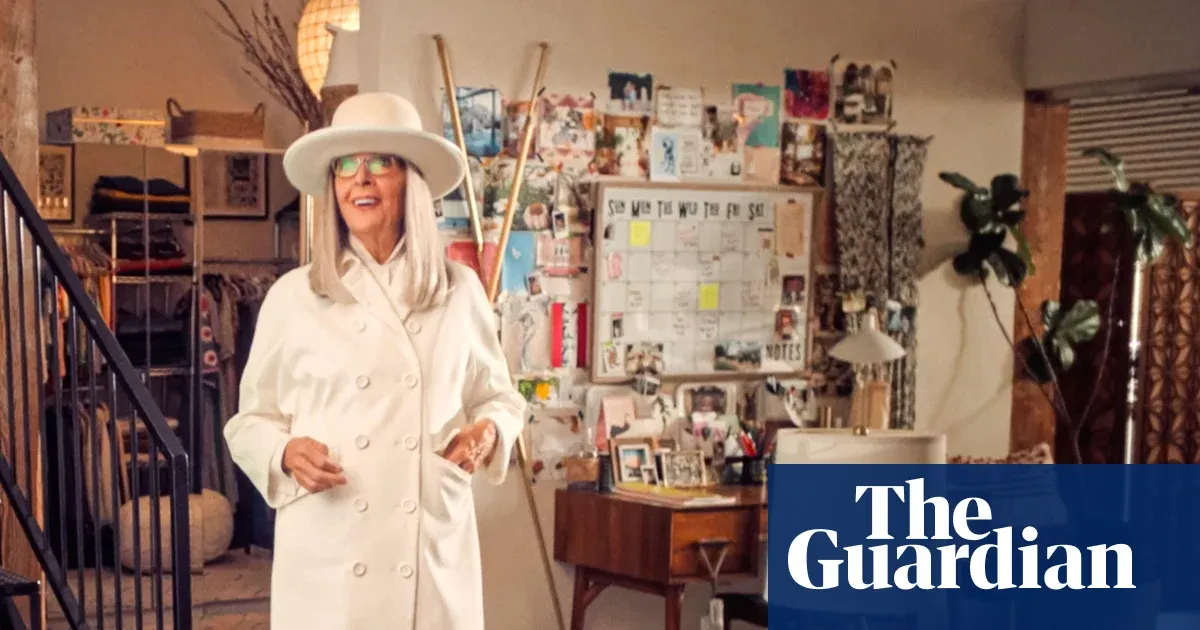
The Guardian reports that celebrity estate auctions are booming as fans bid on personal items from deceased stars, including Diane Keaton items like bowler hats and polka dot scarves, plus Gene Hackman’s paint brushes and Matthew Perry’s black leather wallet. For decision-makers, this growing “deleb” market signals a new kind of scarcity commerce that reshapes how cultural assets are monetized and valued after death.
Celebrity estate auctions are no longer just a niche hobby for superfans. They are now a full-blown secondary market where personal, everyday objects from dead stars can sell for eye-catching prices, including Diane Keaton’s nail clippers for $960, alongside a steady stream of bids for items that feel almost too intimate to be “collectibles.”
What changed is the audience and the economics. The Guardian points to a new generation of fans bidding on everything from Diane Keaton’s bowler hats and polka dot scarfs to Gene Hackman’s used paint brushes. The stakes are clear: when auctions turn “I watched them on screen” into “I own something they touched,” the bidding behaves less like memorabilia collecting and more like identity-driven consumption.
The list of what is showing up in these auctions is part of the story, and it explains why the trend has legs. The Guardian mentions Terence Stamp’s love letters from Jean Shrimpton, and even Matthew Perry’s black leather wallet, with his credit cards and an AAA membership card still inside. That detail matters, because it underscores the core pull of “deleb” auctions: the objects are not merely branded, they are personal artifacts, preserved or surfaced intact enough to carry private context.
This boom has not happened overnight. The Guardian notes the trend has boomed ever since the hugely popular Marilyn Monroe estate sale in 1999. That event effectively proved that an estate sale can be a major cultural and commercial moment, not just a household clearing exercise. After that, the model replicated: gather a celebrity’s possessions, add provenance and packaging, put them into auction format, and let market appetite do the rest. In other words, the entertainment industry’s glow is increasingly being re-licensed through consumer demand, but in the form of things, not content.
From a market-structure standpoint, the “deleb” portmanteau is more than a fun label. It signals category formation. Once buyers and sellers think in a category, price signals improve and behavior becomes self-reinforcing: more fans show up because they believe in the hunt, and more auction houses list because there is demand for breadth. That breadth is visible in the Guardian’s examples, where the items span fashion and accessories, work-adjacent tools like paint brushes, and intimate correspondence. When the assortment includes both recognizable headline items and bizarre details, the auction captures multiple buyer types at once, from serious collectors to impulse bidders.
There is also a practical reality behind why these auctions can thrive: celebrity estates create concentrated supply. After someone dies, items that would otherwise scatter across time and family decisions get pulled into a single sales pipeline. That concentration tends to make auctions feel urgent, even if the underlying “asset” is small. A wallet, a pair of clippers, a hat, love letters. Individually, they are not huge in business terms. Collectively, they become a monetizable catalog tied to a famous timeline.
Finally, there is a regulatory and operational dimension executives should understand, because these sales intersect with consumer protections, handling of personal data, and provenance expectations. The Guardian’s mention of credit cards and an AAA membership card still inside Matthew Perry’s wallet highlights the sensitivity of what can surface during estate liquidation. Even when the legal framework and auction processes are designed for collectibles, this kind of disclosure makes clear that auction operations require careful handling, classification, and documentation. In the boardroom, that translates to risk management around how items are described, cleaned or preserved, and communicated to bidders, and how sensitive information is treated.
For leaders watching adjacent markets, the strategic implication is simple: cultural value is moving beyond IP and into physical artifacts, where fans can turn attention into bids and bids into ownership. If the “deleb” boom keeps pulling in new generations, it also pushes auction platforms, estate managers, insurers, and rights holders to professionalize faster, because prices like $960 for Diane Keaton’s nail clippers are not just trivia. They are a signal that personal objects can command real money in an organized marketplace, and that reputation and process matter as much as nostalgia.
This story's Key Insights and Take-aways are locked.
Create a free account to unlock Executive Actions for one credit.
Register to UnlockAlways free for Executives Club members. Join the Club
More in Entertainment

Russell Brand's accuser 'bewildered and confused' as he denies 7 sex charges
The criminal case against the comedian is a live test of how media companies manage talent risk when serious allegations go public.

'It's a Magic Trick': Ballet Experts Say Rosalía's SNL Pose Is Impossible
Three ballet experts tell Rolling Stone Rosalía's gravity-defying SNL stillness shouldn't be possible - and why the debate is now part of the show.

Activision CMO: GTA 6 Will Boost Call of Duty, Not Bury It
Activision's top marketer says Rockstar's blockbuster will drive players back to consoles and into Modern Warfare 4, even as the company admits its recent strategy failed.