
CEO pay gap hits 99-to-1 in 2025 as median CEO compensation jumps to $4.75M
The CEO-to-worker ratio rises again, CFOs also gain, and equity-heavy packages keep driving incentives in 2025.
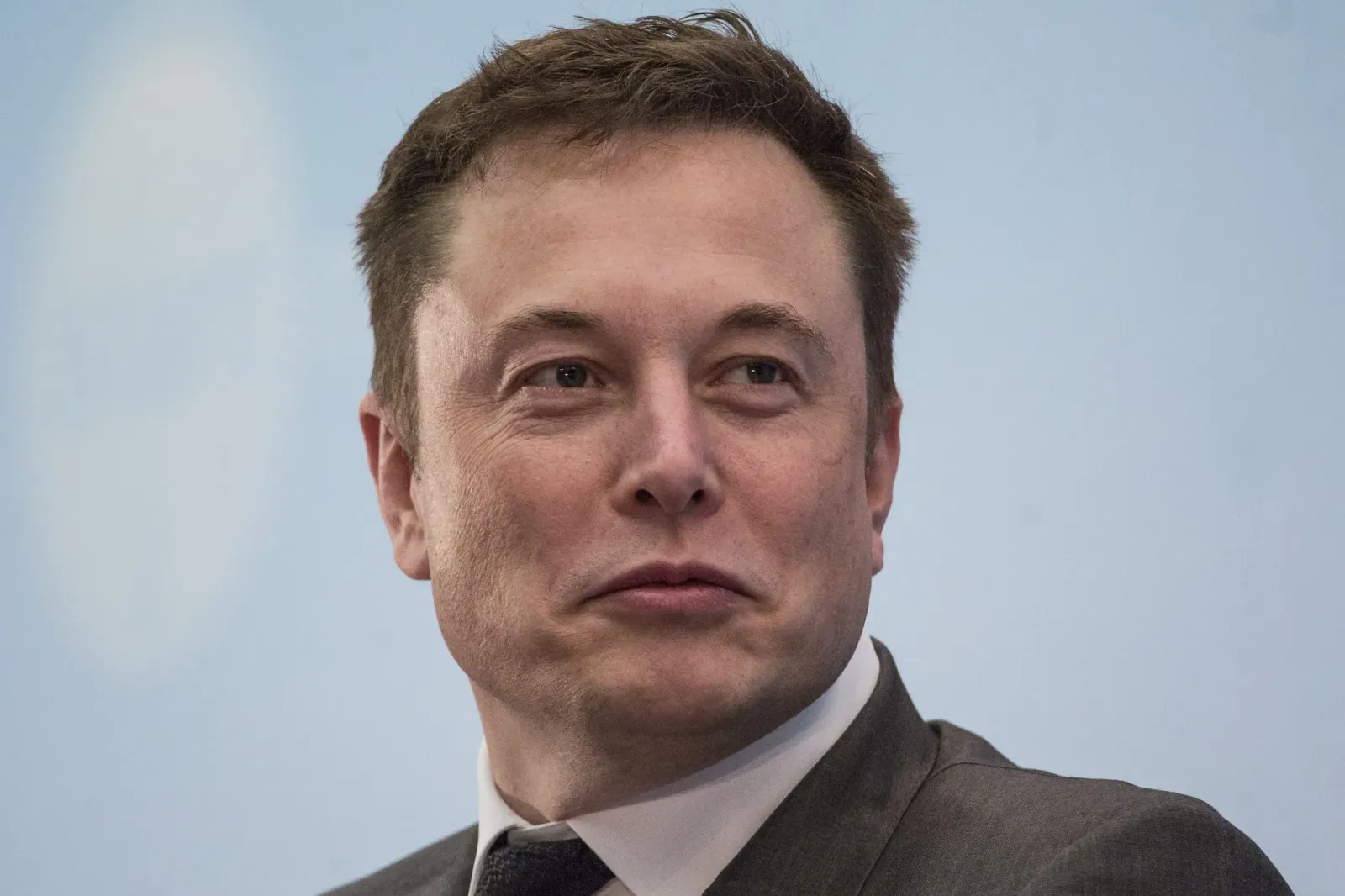
In 2025, median CEO total compensation climbed 13% to $4.75 million, while the median CEO-to-worker pay ratio reached 99-to-1. The widening gap, alongside continued CFO gains, raises governance and investor pressure for boards setting C-suite pay packages.
In 2025, the pay gap between CEOs and typical workers hit a four-year high, climbing to a median 99-to-1 ratio. That is up from 92-to-1 in 2024, 85-to-1 in 2023, and 84-to-1 in 2022, according to new C-Suite Comp data covering approximately 3,700 public company chief executives. This time, the “average” CEO-worker gap jumped even harder, to 216-to-1, from 175-to-1 the prior year.
The underlying numbers that feed this ratio also moved sharply. Excluding Elon Musk, median CEO total compensation rose 13% year-over-year to $4.75 million, while average CEO total compensation climbed 26% to $8.96 million. The reason Musk matters in the first place is that his compensation skewed the distribution. His $158.4 billion Tesla stock award, reinstated by the Delaware Supreme Court after years of litigation, topped the annual executive compensation rankings published by C-Suite Comp. C-Suite Comp even removed Musk as a statistical outlier before calculating broader market trends because the award was so large.
Now zoom out to the structure of CEO pay. The rankings were dominated by equity-heavy packages, meaning compensation is increasingly tied to stock and option outcomes rather than fixed cash. That matters because equity rewards performance when markets rise, but it also means a board can “set incentives” that feel disconnected from day-to-day worker realities. Following Musk, the next tier of top earners was also equity-centric: Figma CEO Dylan Field took home $864.4 million, with $861.9 million in stock awards. Welltower CEO Shankh Mitra followed at $821.1 million, including $813.2 million in stock. Opendoor Technologies CEO Kaz Nejatian ranked fourth at $741.1 million, with his entire package in stock awards. Rivian CEO Robert Scaringe rounded out the top five at $402.6 million, with most of it in option awards.
Sector patterns also help explain why the gap is continuing to widen. Technology was the top-paying sector for CEOs, led by Field, and real estate ranked second, led by Mitra. Health care had its own standout: Summit Therapeutics co-CEO Mahkam Zanganeh earned $246 million, which included an option award modification the company disclosed in its filings. Meanwhile, the pay ratio has widened every year since 2022, and Musk’s Tesla posted the highest ratio in the dataset at 2,522,203-to-1, based on a median Tesla worker salary of $62,786. For context, Liberty Broadband’s Martin Patterson ranked second at 36,194-to-1, with total compensation of $1.2 million versus a median employee pay of $33. Opendoor’s Nejatian ranked fourth at 7,581-to-1, against a median employee salary of $97,759. Those comparisons are a reminder that ratio math depends on both the CEO package and workforce pay levels.
Investors and shareholder advocates are watching this closely, not just because the numbers look bad, but because pay packages can reflect what boards believe they are optimizing. The trend has drawn scrutiny from investors and shareholder advocates alike, and the source notes Warren Buffett warning in his final Berkshire Hathaway shareholder letter that executives are increasingly driven by what peers are earning. Whether or not you agree with Buffett’s framing, the measurable takeaway for governance teams is that C-suite compensation benchmarking can become a ratchet, especially when peer company equity runs remain strong.
And this is not limited to CEOs. CFO compensation also rose across market segments. Among S&P 500 companies, median CFO compensation reached $5.94 million, up 3.1% year-over-year. Across the Russell 3000, the median was $2.66 million, up 6.7%. The overall CFO market posted a median of $1.94 million, up 10.6%. The top of the rankings was led by Summit Therapeutics’ Manmeet Soni, who holds a dual COO/CFO role, at $249.1 million in option awards. He was followed by Welltower CFO Timothy McHugh at $167 million and Fermi Inc. CFO Miles Everson at $134.2 million. That broad-based CFO lift matters because CFOs often control budgets, modeling, and equity program execution, meaning the entire compensation architecture is moving upward.
Different C-suite roles moved differently, suggesting boards are calibrating pay incentives in role-specific ways, not applying one uniform rule. Chief technology officer pay in the technology sector saw median compensation rise 10% to $2.59 million, while the average climbed 32% to $4.88 million. The dataset’s five-year trend shows tech executive pay declined in 2022 and 2023 before recovering in 2024 and rising further in 2025. Figma’s CTO Kris Rasmussen led all technology executives at $175 million, followed by Hims & Hers Health CTO Elshenawy at $60.9 million and Symbotic CTO James Kuffner at $37 million. Chief information officer pay moved the opposite direction: median CIO pay fell 7.3% to $1.34 million and the average dropped 19% to $2.13 million, reversing gains from prior years. The highest-paid CIO in the dataset was Humana’s Japan A. Mehta at $9.6 million, followed by Applied Materials’ Brice Hill at $8.5 million.
So what should decision-makers do with this? For boards, the strategic issue is credibility. A compensation plan can be rational in isolation, but when the median CEO-to-worker ratio rises to 99-to-1 for 2025 and the trend keeps widening since 2022, it becomes a governance story, not just a compensation story. For executives, the incentive design is increasingly equity-linked, which can align leadership rewards with market outcomes while also intensifying pressure if worker pay does not move the same way. And for investors, the data provides a clear signal of where scrutiny is likely to land: on the equity-heavy components, the benchmarking cycle, and the ratio outcomes boards are willing to defend year after year.
This story's Key Insights and Take-aways are locked.
Create a free account to unlock Executive Actions for one credit.
Register to UnlockAlways free for Executives Club members. Join the Club
More in Business
Accenture’s $4.18bn play fails as AI fears spark a 20% worst-ever stock plunge
On Thursday, Accenture hit its biggest one-day drop on record after forecasting worries that AI could hollow out consulting.

SpaceX stock jumps 3% after it overtakes Amazon’s market cap
CNBC says SpaceX’s shares surge following its IPO Friday, forcing investors to reprice what “space” and “AI” are worth.

SpaceX’s first options day breaks U.S. records after a $85B IPO win
Big IPO, bigger options debut: what it means for investors, risk teams, and anyone benchmarking market appetite.