
Charli XCX says her Paris “mini-break” with Madonna was “fab” after feud chatter
The pop stars shut down tension rumors by hanging out in Paris, and Charli explains what she learned from it.
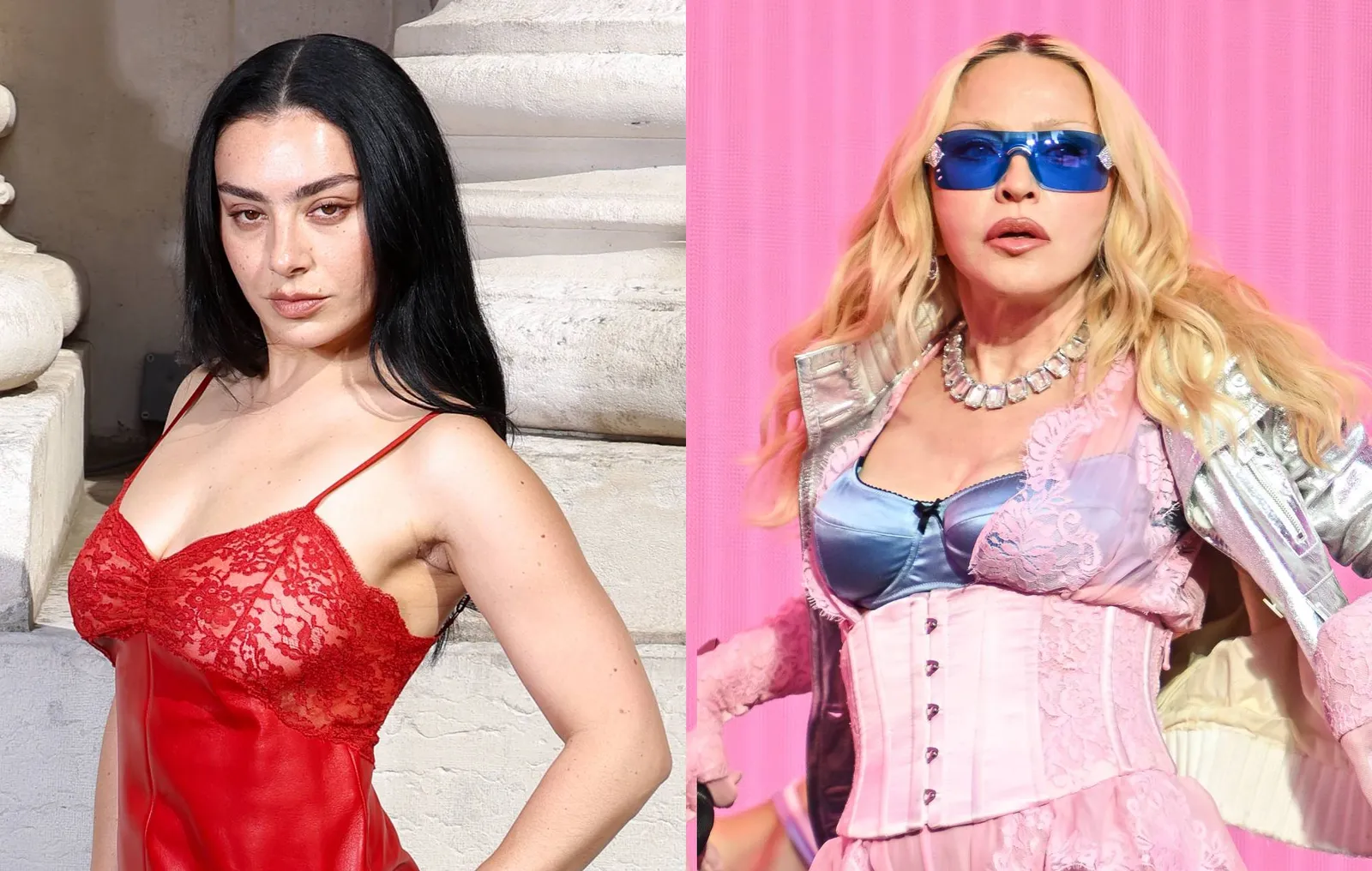
Charli XCX, speaking to Nick Grimshaw on BBC 6 Music, described a Paris “mini-break” with Madonna as nonstop hanging out that turned into parties. For brand, label, and talent managers, it is a reminder that public narratives can flip quickly when cultural signals shift in public.
Charli XCX is not just addressing the Madonna chatter, she is putting a scene around it. In an interview with Nick Grimshaw on BBC 6 Music, the singer said she and Madonna had “a mini break together,” went to Paris, “couldn’t stop hanging out with each other,” and that it was “fab!” That is the direct answer to the speculation: the relationship was not frozen into some off-stage feud. It was, at least recently, social, musical, and very public.
Charli then filled in the details that make the feud rumors feel a little silly in hindsight. She said they were both on a group text “just a couple of weeks ago,” which she called “obviously insane,” even though they have met “in the past.” From there, the two ended up throwing parties together in the French capital, and Charli adds a specific twist: “we actually accidentally threw two parties.” She also explained why it mattered to her as an artist. Madonna, Charli says, is “so interested in really talking about the music that she makes, and how and why,” and Charli found it “very inspiring to hang out with her.”
Now, zoom out for a second, because this story is not only celebrity soap opera. It is a playbook for how narratives get manufactured in pop culture, then corrected in real time when the signals change. Charli’s recent single “Rock Music,” taken from her upcoming album Music, Fashion, Film, kicked off debate with its bold declaration: “I think the dancefloor is dead, so now we’re making rock music.” That line landed at the same time Madonna was gearing up to release Confessions II, the long-anticipated sequel to 2005’s Confessions On A Dance Floor. Charli’s lyric basically touches a live wire: what counts as the next era of mainstream music when dance music is evolving, not disappearing.
Madonna seemed to respond via Instagram with: “If your Dance floor feels dead, maybe you’re playing the wrong music.” For a lot of fans, that reads like a direct rebuttal. For executives and brand teams, it is even simpler: two high-profile artists become storyline magnets, and audiences will interpret everything. Last week, though, the real-world optics shifted. Charli XCX and Madonna were spotted together in Paris, and those appearances appeared to end speculation about tension between the two pop stars. The “mini-break” interview is the narrative payoff: they were not in separate lanes. They were in the same room, talking music.
The story then gets even more “industry texture.” At the Saint Laurent menswear spring/summer 2027 fashion show on June 23, Charli and Madonna were seated next to one another. The pair were later seen smoking and chatting with other stars in attendance, including actors Connor Storrie and Debi Mazar. Charli and Madonna then danced together to Madonna’s hits, including “Thief of Hearts” and “Hung Up,” from behind the DJ booth at the after-party. If you are managing artists, campaigns, or even just cultural partnerships, these are the kinds of signals that propagate faster than any statement. No press release needed.
There is also a critical clarification that matters for how you read Charli’s creative intent. Charli has since clarified that “Rock Music” was not intended as a literal dismissal of dance music. She explained the lyric is “very much about my relationship with ‘Brat’, and my personal experience with that album,” and added: “Dance music is in an incredible place.” She also pushed back on the idea that her next album is a straightforward rock record, saying: “I know that there’s been a lot of conversation around me making a rock album, which is something that I never said.” In other words, the debate was about an interpretation of a line. The update is about context, and the context is personal and artistic, not a genre shutdown.
For the business side of the music machine, this connects directly to release timing and audience attention. Music, Fashion, Film is set for release on July 24, and Charli’s album cover is a black-and-white shot by Aidan Zamiri featuring John Cale, Marc Jacobs, and Martin Scorsese. Madonna’s Confessions II is set for July 3, with pre-orders available. So while fans were reading lyrics for conflict, both artists were building momentum in adjacent weeks with fashion, media attention, and live cultural visibility. That is how you keep a release cycle fed: not with one headline, but with a chain of moments that keep showing up.
Finally, there is a second layer of stakes in Charli’s broader situation. She recently spoke candidly about her mental health, saying: “I’m in the worst place mentally that I’ve been in my life,” and that she was “struggling” in the wake of the Brat era while moving into a new creative chapter across music, fashion, and film. That context matters because creative output is not separated from wellbeing. And she is not only recording. She will return to the stage to make her headline debut at Reading & Leeds in August, topping the festival bill alongside Fontaines D.C., Raye, Florence + The Machine, Dave, and Chase & Status.
For executives, managers, labels, and investors, the strategic lesson is straightforward: in pop music, narrative is a market. Speculation can form quickly, especially when two releases orbit the same themes. But it can also reverse quickly when authentic public signals appear, like a shared Paris presence, next-to-each-other seating at Saint Laurent, and a clear artist explanation of what a lyric actually meant. If you are steering similar talent through attention cycles, the question is not just “What did they say?” It is “What are they doing, who are they seen with, and what context will land before the next release window closes?”
This story's Key Insights and Take-aways are locked.
Create a free account to unlock Executive Actions for one credit.
Register to UnlockAlways free for Executives Club members. Join the Club
More in Entertainment

Russell Brand's accuser 'bewildered and confused' as he denies 7 sex charges
The criminal case against the comedian is a live test of how media companies manage talent risk when serious allegations go public.

'It's a Magic Trick': Ballet Experts Say Rosalía's SNL Pose Is Impossible
Three ballet experts tell Rolling Stone Rosalía's gravity-defying SNL stillness shouldn't be possible - and why the debate is now part of the show.

Activision CMO: GTA 6 Will Boost Call of Duty, Not Bury It
Activision's top marketer says Rockstar's blockbuster will drive players back to consoles and into Modern Warfare 4, even as the company admits its recent strategy failed.