
Chelsea's USDC jersey deal puts Hong Kong fans in crypto-law crosshairs
A stablecoin sponsorship is raising questions about whether wearing or selling the shirt breaks Hong Kong's digital currency promotion rules.

Chelsea FC signed a front-of-shirt sponsorship with Circle to feature USDC on jerseys for the 2026-27 season, sparking concerns in Hong Kong about illegal crypto promotion. The deal exposes a regulatory gray zone for stablecoin branding, forcing fans, retailers, and brands to assess legal exposure under local digital currency laws.
Chelsea's new front-of-shirt sponsor is a stablecoin issuer, and that has Hong Kong fans and retailers checking the fine print of their local digital currency laws. The English Premier League club signed a deal with Circle in late August to feature the USDC brand on player jerseys for the 2026-27 season, a lucrative sponsorship that has quickly become a legal headache for supporters and shops in Hong Kong who worry that wearing or selling the shirt could count as illegal promotion of a virtual asset.
The concern is not hypothetical. Hong Kong's digital currency laws restrict the promotion of virtual assets without proper authorization, and a jersey emblazoned with a stablecoin brand could be seen as advertising. For retailers, stocking the shirt could mean inadvertently marketing a product that regulators view as a regulated instrument. For fans, simply wearing it in public might be interpreted as endorsing a digital currency, a gray area that has left many wondering if their fandom is now a compliance risk.
The timing adds to the tension. Chelsea's deal came just three months after the UK's Financial Conduct Authority (FCA) warned Premier League clubs about crypto sponsorships, signaling that regulators are paying close attention to how football clubs monetize digital assets. The FCA's warning was aimed at protecting consumers from misleading crypto promotions, but it has rippled across the industry, putting clubs and their partners on notice that crypto branding is no longer a free-for-all. Hong Kong's own regulatory framework for virtual assets has been tightening, with rules governing trading platforms, advertising, and promotion. While the specifics of how jersey sponsorships fit into that framework remain unclear, the ambiguity itself is a risk. Businesses that operate in Hong Kong, from sports retailers to fan merchandise shops, now face a compliance dilemma: do they sell a product that could be construed as promoting an unlicensed virtual asset, or do they pass on a revenue opportunity?
For Circle, the deal is a major branding win. USDC is one of the largest stablecoins, and putting it on a Premier League shirt gives it mainstream visibility. But the Hong Kong reaction underscores the double-edged nature of such partnerships. A sponsorship that boosts brand recognition in one market can create legal exposure in another, especially when regulators are still defining the boundaries of crypto promotion. The broader trend is clear: sports sponsorships are becoming a battleground for crypto regulation. From football clubs to basketball teams, digital asset firms have been eager to buy visibility, but regulators are pushing back. The FCA's warning and Hong Kong's concerns are part of a global pattern where authorities are scrutinizing how crypto brands reach consumers. For executives at clubs, sponsors, and retailers, the lesson is that a sponsorship deal is not just a marketing expense - it is a regulatory risk assessment.
For Hong Kong fans, the immediate question is practical: can they buy and wear the shirt without fear of legal trouble? The answer, for now, is murky. Until regulators clarify whether a jersey counts as promotion, fans and retailers are left to navigate a gray area. Some may choose to avoid the shirt altogether, while others will take the risk. Either way, the deal has turned a simple piece of sportswear into a compliance question. The strategic takeaway for decision-makers is that crypto sponsorships require a jurisdictional lens. A deal that is perfectly legal in one country can be a liability in another. As stablecoins and other digital assets become more mainstream, companies must map out where their branding will appear and what local laws say about it. For Chelsea, the deal is a commercial win; for Hong Kong stakeholders, it is a reminder that in the world of crypto, even a football shirt can carry legal weight.
This story's Key Insights and Take-aways are locked.
Create a free account to unlock Executive Actions for one credit.
Register to UnlockAlways free for Executives Club members. Join the Club
More in Business

Apple unveils first foldable iPhone Duo with 7.6-inch display under new CEO Ternus
Apple's first foldable, the iPhone Duo, marks a major product bet for new CEO John Ternus, with a 7.6-inch unfolded screen.
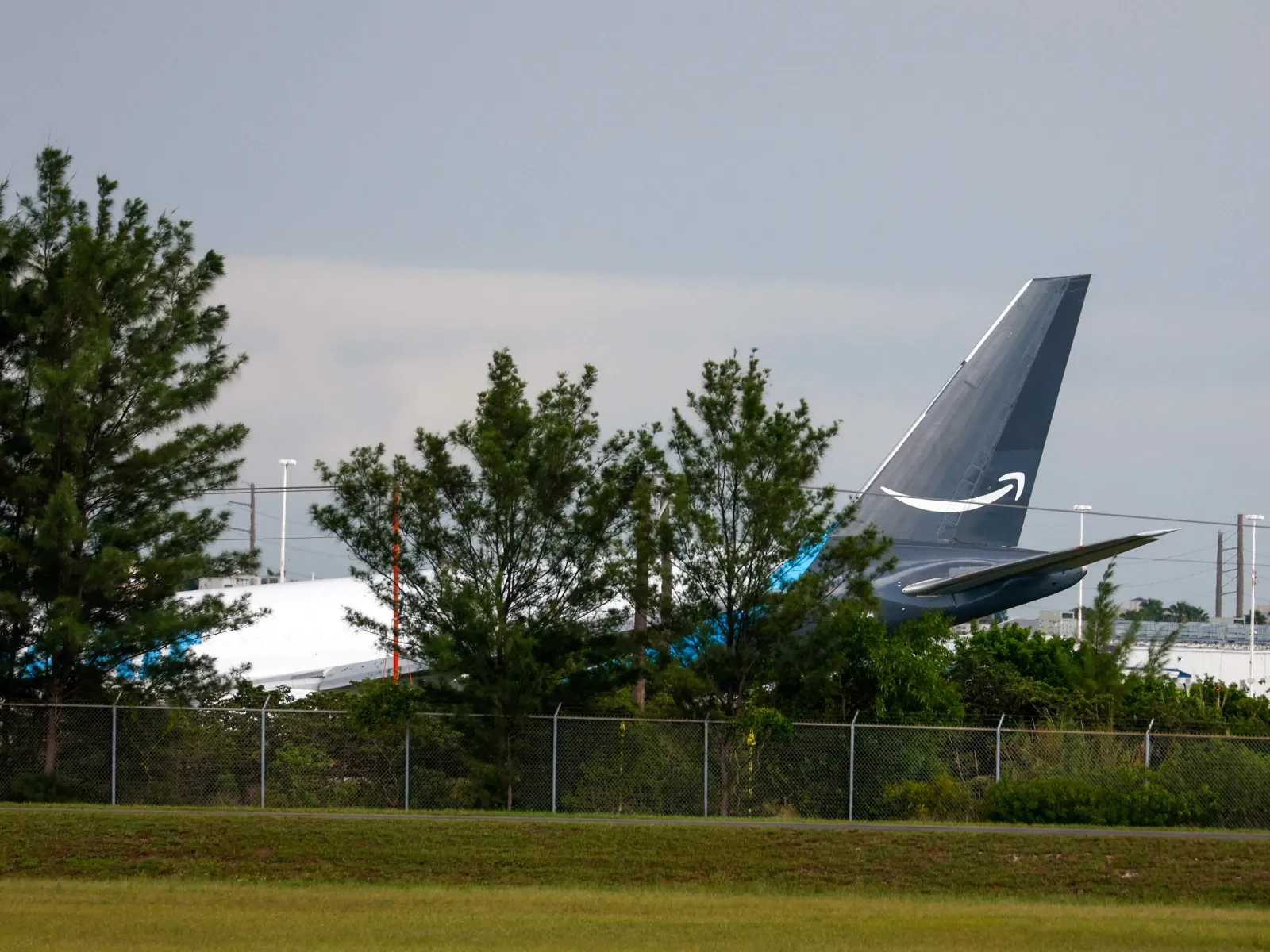
Amazon Prime Air 767 overshoots Miami runway, killing at least 5
The Boeing 767 freighter from San Juan struck vehicles and erupted in flames, prompting a ground stop and a fresh NTSB investigation into Amazon's air cargo network.
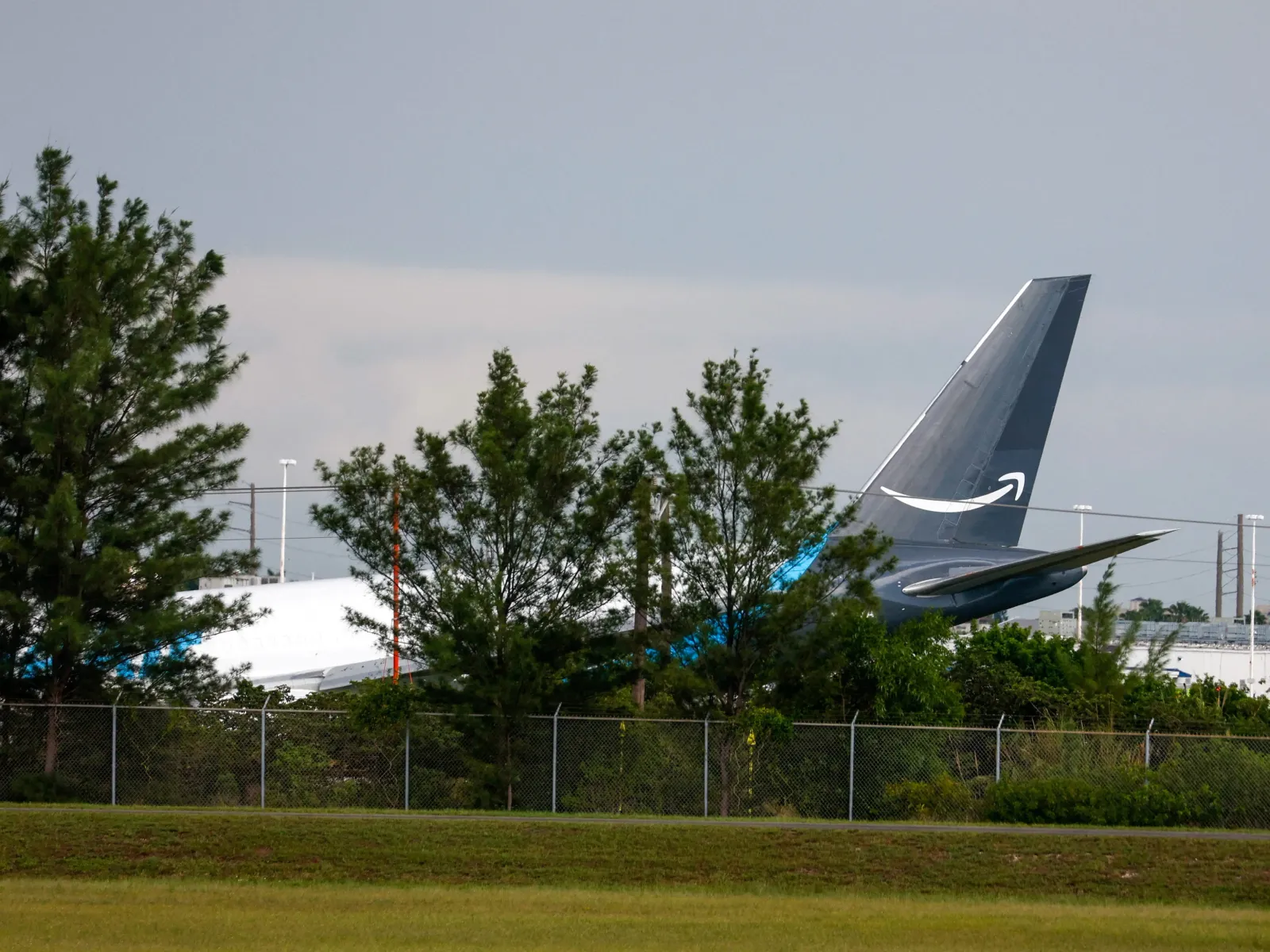
Amazon Prime Air 767 overshoots Miami runway, strikes vehicles, catches fire
The Boeing 767, operated by 21 Air, was arriving from San Juan when it overshot the runway, triggering a ground stop and multiple injuries.