

Chernobyl camera-traps captured how armed conflict changes wildlife behavior, in real time
A rare study used wildlife cameras to watch war impact animals as it unfolded, offering hard data for conservation and policy.
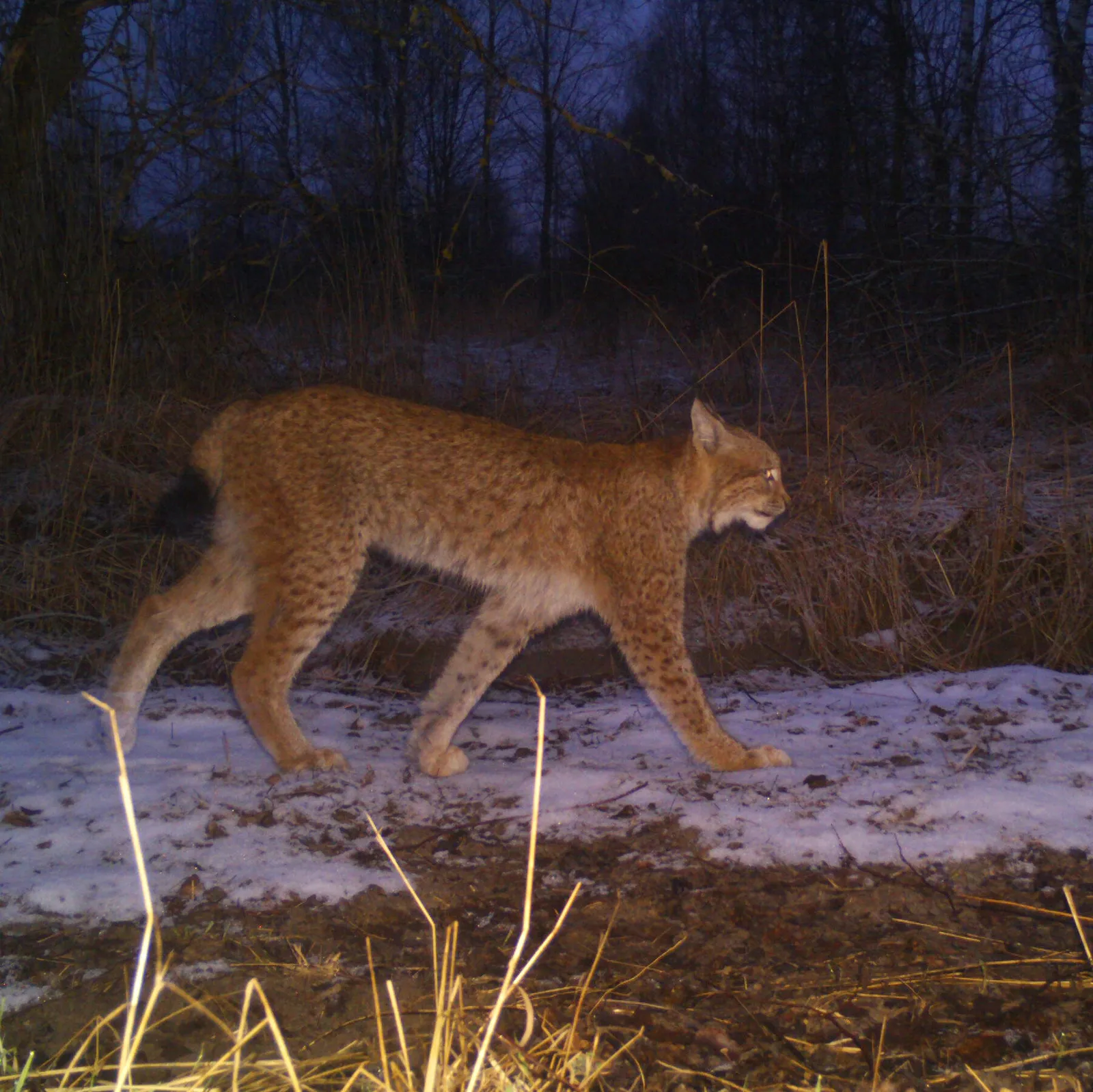
A rare camera-trap study logged the effects of armed conflict on wild animals in real time in the Chernobyl context. For decision-makers, the result strengthens evidence on how conflict disrupts ecosystems, with implications for conservation and governance priorities.
Chernobyl's wildlife did not just “carry on” after the catastrophe. A rare camera-trap study monitored animals as armed conflict reshaped their behavior in real time, turning a usually anecdotal topic into something closer to measurable cause-and-effect.
The core idea is simple, but powerful: camera traps sit in the environment and quietly record what passes through. In this study, that meant researchers could document how wild animals responded while conflict was underway, rather than relying on memories, delayed sightings, or reports filtered through the chaos of war.
For executives and investors who live in the world of risk, governance, and measurable outcomes, this is a useful reminder: uncertainty does not mean ignorance. In conflict zones, decision-making often happens with partial information, and then teams overcompensate with broad assumptions. Real-time wildlife documentation does not replace human judgment, but it can tighten the “evidence band” around key questions, like how quickly animals shift patterns, how broadly impacts spread, and whether disturbances are short-lived or persistent.
There is also a second-order implication that is easy to miss. Wildlife is not just “nature content.” It is part of the operational infrastructure of ecosystems, and ecosystems are part of the stability backdrop societies depend on. When armed conflict interferes with wildlife behavior, it can cascade into changes in feeding patterns, predator-prey dynamics, movement routes, and breeding activity. Even without a single flashy number in the summary, the direction of travel matters: the study’s value is that it captures change while it is happening, not after the fact.
That real-time element matters for policy and regulatory framing too. Environmental governance typically relies on monitoring, compliance mechanisms, and impact assessments that presume a relatively stable baseline. Conflict breaks baselines. It can disrupt enforcement, limit fieldwork, and scramble reporting timelines. Evidence from camera-trap systems in settings affected by armed conflict can help regulators and planners update how they think about environmental impact during active disturbances, not only in post-conflict recovery.
Think about how this intersects with conservation strategy. Many conservation decisions require triage: where to place limited staff, where to deploy resources, and how to set priorities when you do not have perfect visibility. If war changes wildlife behavior in detectable ways, then “normal conservation” models may underperform during conflict. The study, by capturing the behavior shift as it unfolded, supports the idea that conservation responses may need to be more adaptive and time-sensitive.
For boards and leadership teams in adjacent domains, the lesson is transferable. Whether your company deals in climate risk, agriculture, logistics, remote sensing, insurance underwriting, or humanitarian-adjacent operations, conflict creates information asymmetry. Camera traps are a specific tool, but the strategic principle is broader: build monitoring that can function in messy environments, and design governance decisions around data that reflects the present situation.
There is a cultural and communications angle as well. Wildlife impacts from conflict are often debated in the abstract. Real-time camera-trap evidence can shift discussions from vibes to documentation. That can reduce the friction between stakeholders who demand proof and those who are trying to act under constraints. In other words, it can help align what people say they are doing with what the environment is actually experiencing.
Ultimately, the study’s significance lies in what it makes possible. Armed conflict changes wild animals, and Chernobyl’s camera-trap record shows those effects unfolding in real time. For decision-makers, that is not only a conservation story. It is a governance story, a monitoring story, and a “how do we make better calls under disruption” story. And in a world where conflict risks keep appearing in new places, the ability to observe impacts as they happen becomes a competitive advantage for anyone responsible for risk, policy, and long-horizon outcomes.
This story's Key Insights and Take-aways are locked.
Create a free account to unlock Executive Actions for one credit.
Register to UnlockAlways free for Executives Club members. Join the Club
More in Science

Alaska's 1,580-foot tsunami had warning signs. Scientists just found them.
Rapid glacier retreat, heavy rainfall, and thousands of tiny tremors preceded Alaska's 1,580-foot tsunami, a warning for every coastal community in a warming world.

The rare mutation that lets high-risk brains dodge Alzheimer's
Scientists found a natural defense against protein buildup, opening a new path to preventive treatments.

3,000 steps a day may halve Alzheimer's decline, study finds
New research links a modest daily walk to less tau buildup and nearly half the cognitive and functional decline, even for those with early signs.