

China AI stocks jumped 65% H1, then Michael Burry warned the trade’s “reckoning”
A 65% first-half surge is colliding with US bearish bets on the global AI trade, and sentiment is wobbling.
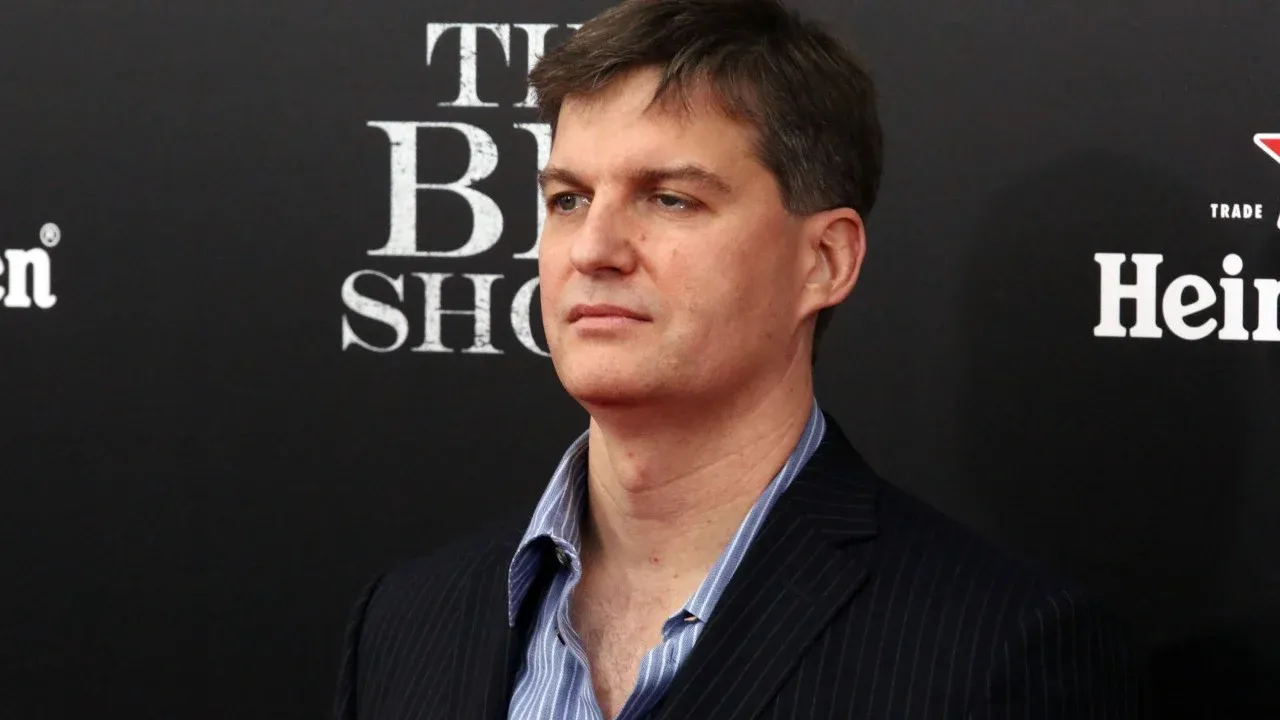
China’s artificial intelligence stocks rose 65% in the first half of 2026 as earnings momentum improved. But first-half results and high-profile US bearish positioning on the global AI trade started weighing on sentiment, with Michael Burry saying, “It is only a matter of time now.”
China’s artificial intelligence stocks posted a big first-half move in 2026, surging 65% in the first half, as the market latched onto improving earnings momentum going into the second half. That strength, however, has not been enough to keep sentiment fully intact. The second half is starting with a different energy: first-half results are beginning to matter more, and a wave of caution tied to US positioning around the global AI trade is creeping into how investors frame the opportunity.
The name showing up in the debate is Michael Burry, the US hedge fund manager. In a Substack post on Tuesday, Burry wrote, “It is only a matter of time now,” in a context that signals skepticism about the AI trade playing out the way the market hopes. Burry is not a casual commenter. The story notes that he famously shorted the American housing market before the 2008 financial crisis, and that his story was later popularised in the 2015 film “The Big Short.” That history matters because markets often react less to headlines and more to the credibility of the messenger, especially when the message aligns with tightening narratives around valuation, timing, and execution risk.
So what is actually happening underneath the surface? On one level, the setup is straightforward. AI-themed equities in China have been trading on two things at once: the expectation of improving company performance and the broader belief that the AI buildout is still in the “up” phase. The source flags improving earnings momentum as a key driver that carried the market into the second half with optimism. But the first-half results, which were once a scoreboard for the thesis, are now being treated as a checkpoint. When investors feel that the scoreboard does not confirm the pace they wanted, the crowd starts asking whether the next leg depends on hype rather than cash flow.
On another level, the move is also about cross-border positioning. The source explicitly ties the sentiment wobble to “high-profile bearish positioning by US investors regarding the global AI trade.” That matters because US hedge funds do not just express opinions. They can influence what global asset managers do with risk budgets, exposure sizes, and hedging behavior. Even when the underlying companies are Chinese and the profits are booked locally, global capital allocators often look at the same trade through a common lens: demand durability, export and supply chain constraints, regulatory friction, and who benefits if the AI cycle slows or changes shape.
That brings us to why the bearish signal is landing now. Burry’s quote, “It is only a matter of time now,” is not a precise forecast with dates or numbers. But it is still actionable in markets because it implies that downside may be closer than consensus thinks. In practice, such language can accelerate risk-off behavior. Portfolio managers tend to respond to signals that suggest timing risk, not just direction risk. If the view shifts from “AI wins long term” to “AI is lumpy, and this moment could be the inflection,” then the multiple you are paying matters again. The source’s framing suggests that improving earnings momentum has not removed concerns. It has only given the bulls a stronger starting point, before skepticism began weighing on sentiment.
There is also a behavioral angle boards and executives should care about. Sentiment is not just about facts, it is about narrative momentum. A 65% surge in a half-year is the kind of move that can turn “funding the future” into “reaching for perfection.” When that happens, even mildly disappointing results can hit harder than they would have earlier in the cycle. And when a prominent US hedge fund manager with a well-known short-selling track record steps into the conversation, it can convert a mild doubt into a louder macro debate.
For decision-makers inside Chinese AI equity names, the strategic stake is simple: capital markets can move faster than business performance. Earnings momentum helps, but it does not immunize against sentiment waves driven by global positioning. The source indicates that first-half results and bearish positioning are currently weighing on sentiment, even as the broader story of AI growth remains intact. The executives who navigate this environment well will likely focus on the parts of the operating story that are most legible to skeptical investors: clarity on near-term profitability trajectories, evidence that demand is steady rather than opportunistic, and communication that reduces the room for “it’s only a matter of time” style narratives.
For peers across the AI ecosystem, the message is that the market is entering a phase where upside may still be real, but conviction is no longer one-way. If US bearish positioning grows louder and first-half results keep feeding the questions, the premium attached to AI exposure could come under pressure. In other words, the rally is not disappearing. But the rules of engagement for valuation, risk, and timing just changed. And in public markets, that is when disciplined execution turns from virtue into survival.
This story's Key Insights and Take-aways are locked.
Create a free account to unlock Executive Actions for one credit.
Register to UnlockAlways free for Executives Club members. Join the Club
More in Business

BioWare shuts down, Mass Effect 5 dead after $55B EA buyout
The legendary RPG studio's closure lands months after a $55 billion investment group buyout of EA, raising tough questions for gaming's biggest acquirers.
Musk barred from the room as Tesla, SpaceX boards weigh $3.5 trillion merger
The CEO of both companies is a 'conflicted party' watching independent directors negotiate a tie-up that would create a $3.5 trillion giant he would own about a third of.
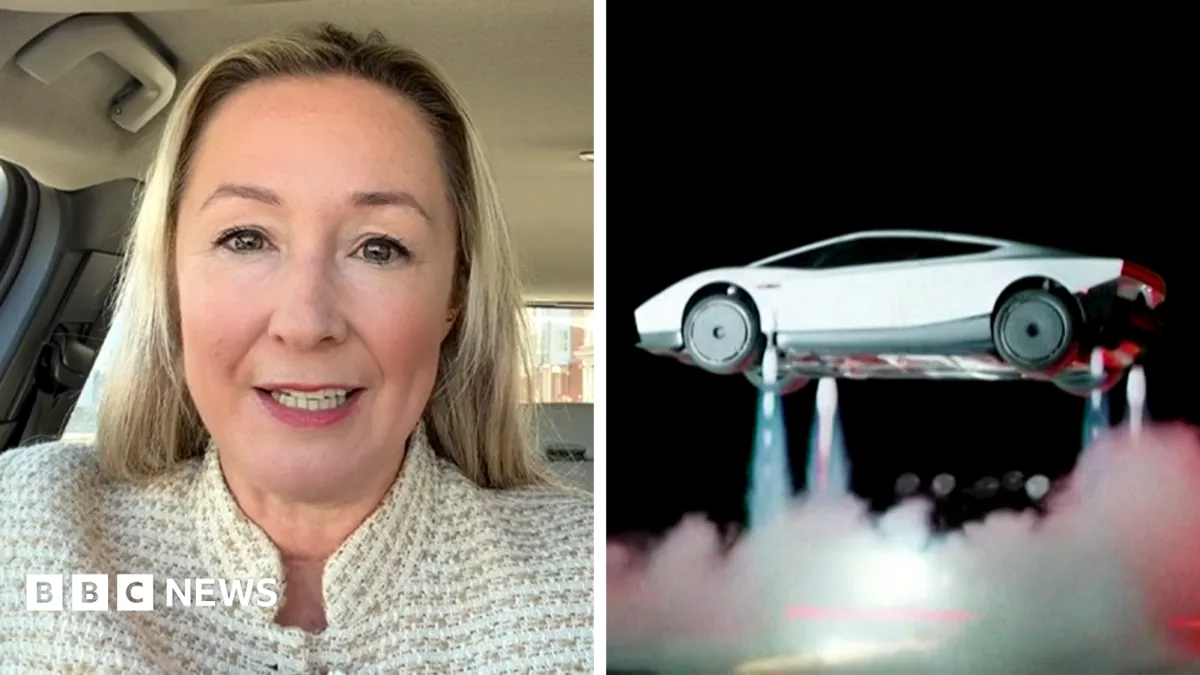
Elon Musk just showcased a flying car - and it wasn't at Tesla
The Tesla CEO's latest reveal came at SpaceX, not Tesla, signaling where vertical mobility is headed.