

China takes nearly 80% of global wind turbine market, reshaping supply chains
Nikkei Asia reports China is close to controlling four-fifths of global wind turbine demand, with ripple effects for manufacturers and grid planners.
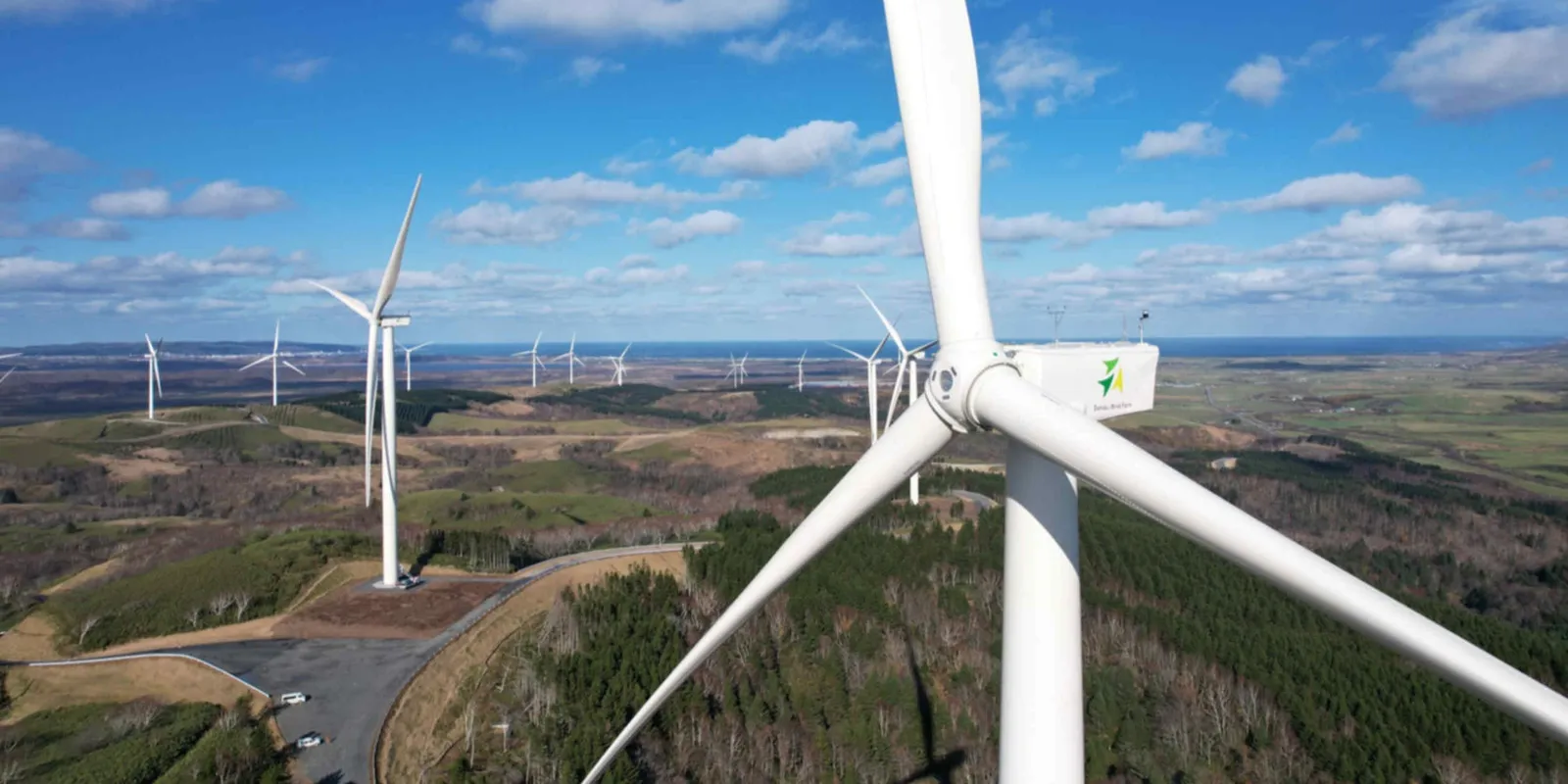
Nikkei Asia reports that China's share of the global wind turbine market has reached nearly 80%. For decision-makers, that concentration shifts bargaining power across components, procurement, and project financing.
China is approaching a lock on the global wind turbine market. According to Nikkei Asia, China's share of the global wind turbine market has reached nearly 80%. That is not just a headline statistic. It is a signal that the industrial engine building the hardware for new wind power is heavily concentrated in one place, which can quickly turn “market growth” into “supply chain leverage” for anyone buying, financing, or regulating wind projects.
When a single country is responsible for nearly four-fifths of the wind turbine market, procurement strategy stops being abstract. Developers and utilities looking to hit renewable targets face a more defined reality: turbine availability, lead times, component costs, and delivery schedules are all more likely to track Chinese industrial capacity than global averages. The buyer side can still negotiate, but the imbalance is structural when the supplier base is so concentrated.
To understand why this concentration matters, zoom out to how wind projects actually get built. A wind farm is not a standalone product. It is a full-system procurement decision that bundles turbines with blades, gearboxes or direct-drive components, towers, power electronics, transportation, installation services, and often long permitting timelines in parallel. Turbines sit at the center of that bundle. So if China dominates the turbine market, China also tends to dominate many of the upstream decisions that affect total project cost.
This is where second-order effects show up for executives. If turbine pricing moves because Chinese factories scale or adjust production, downstream costs can move too. That matters for project economics because wind economics are usually built on assumptions about capital expenditure and financing costs. Even if a project’s performance depends on local wind resources, the hardware spend is often where developers can see budget risk first. In concentrated supplier markets, small changes in manufacturing output, export logistics, or component availability can ripple into contract terms.
There is also a regulatory and policy angle, because governments rarely treat turbine supply as “just procurement.” Wind expansion is typically tied to national energy security goals, industrial policy ambitions, and decarbonization targets. When one country’s firms hold close to 80% of a global market, policymakers have to decide what to do about import exposure. That can mean monitoring subsidies or trade practices, adjusting local content rules, considering procurement requirements, or building domestic manufacturing capacity in response. None of those choices are automatic. But the underlying fact remains: concentration at this scale makes “resilience” a board-level topic, not a technical one.
For boards and senior management teams at turbine makers, component suppliers, EPC firms, and utilities, the strategic implication is straightforward. A market share that high implies both tremendous scale advantages for Chinese manufacturers and a higher bar for competitors elsewhere. Competitors outside China can win with niche products, specialized service networks, or differentiated technology. But if the overall market is dominated, competitors also need to focus hard on where differentiation actually changes customer decisions, not just product specs. Otherwise, they risk being relegated to secondary contracts.
Meanwhile, for developers and grid operators, the question becomes less “Can we build wind?” and more “Can we build it on schedule and with acceptable cost volatility?” Even with a global push for renewable capacity, the timeline to secure turbines can govern project completion dates. In a world where China nears 80% share, the path of least resistance often aligns with whichever supply chain can move fastest. That is why procurement planning, contract structures, and contingency plans become a competitive advantage.
In short: Nikkei Asia’s reported figure that China’s share of the global wind turbine market has reached nearly 80% is a concentration signal. It points to where the manufacturing gravity is pulling, and it changes how risk, leverage, and planning work across the entire wind value chain. If you are making capital allocation decisions tied to wind build-out, this is the kind of number that should shift internal discussions from “growth” to “execution under constraints.”
This story's Key Insights and Take-aways are locked.
Create a free account to unlock Executive Actions for one credit.
Register to UnlockAlways free for Executives Club members. Join the Club
More in Business

Uber buys Delivery Hero for nearly $15B, vaulting to top food delivery outside China
The deal doubles Uber's dual-services footprint and pushes a ride-and-eats bundling play into 50 more markets.

Epic and Google drop settlement bid, forcing rival Android app stores by July 22
Google told the court it is ready to carry third-party app stores starting Wednesday, July 22.

SK Hynix opens at $170, raises $26.5B, and tops foreign IPO records
In Friday's Wall Street debut, SK Hynix turns AI RAM demand into a $26.5B fundraising moment that rewrites comps.