

Chloe Fineman exits SNL, lands Netflix’s Myron Bolitar starring Jabari Banks
An SNL departure turns into immediate Netflix prime time, with Fineman joining in series regular roles.

Chloe Fineman, fresh off her departure from NBC’s Saturday Night Live, has already lined up her next TV role. She will star opposite Jabari Banks in his first major show since Peacock’s Bel-Air ended, and join Jamie McShane and Ben McKenzie in Netflix’s Myron Bolitar.
Chloe Fineman announced last week that she was leaving NBC’s Saturday Night Live. Deadline reports that she has already set up her next move: starring opposite Jabari Banks in his first major show since the conclusion of Peacock’s Bel-Air, and taking series regular roles in Netflix’s Myron Bolitar alongside Jamie McShane and Ben McKenzie.
That sequence matters because it flips the usual “SNL exit uncertainty” script into “SNL exit momentum.” Fineman is not waiting out the market. She is stepping directly into a new, high-visibility platform at the same time Banks is getting a major next chapter, and Netflix is positioning Myron Bolitar as an ensemble draw rather than a one-star bet. For executives, the signal is simple: top-tier comedic and audience-recognition talent is increasingly treated like a portfolio asset that can move quickly between streamers without losing market heat.
From a business standpoint, this is the kind of casting news that can reshape viewer expectations before a single frame airs. Myron Bolitar is being framed as a series regular pipeline for recognizable talent: Fineman, McShane, and McKenzie join a lead headlined by Banks. In streaming, where algorithms and social buzz often decide initial reach, the “who is in it” part can be as influential as the premise. When Deadline describes Fineman’s move in the same breath as Banks’s first major show since Bel-Air ended, it puts the emphasis on continuity and scale, not just survival.
The Bel-Air reference is also strategic. Peacock’s Bel-Air concluded, and Banks is now taking a first major show into the next leg of his career. That timeline is the whole point: executives do not just hire for today’s pilot. They hire for the next two to three years of brand association, audience hangover, and cross-platform mindshare. When a lead transitions right after a well-known run, networks and streamers can capitalize on residual awareness, reducing the risk that the audience forgets to follow.
Fineman’s career arc is equally relevant for decision-makers watching talent supply chains. The SNL-to-streaming pathway has become a reliable route to prominence because it comes with a built-in audition narrative. Viewers already know she can carry characters, handle rapid comedic pacing, and adapt to different sketches and tones. When the source frames her departure and immediate landing on Netflix as already underway, it implies her next project is not an afterthought. It is treated as the next assignment in a broader career strategy.
There is also an operational angle: series regular roles are a commitment, not a guest spot. Once an actor is locked in for series regular status, the production plan effectively has to be built around that presence. That influences writing rooms, episode structure, scheduling, and how marketing narratives get packaged. For a streamer, this can help stabilize performance expectations because series regular casting can make the show easier to sell: the audience can anticipate who will show up week after week.
And for boards and investors, the second-order implication is that competition for recognizable faces is still fierce even after years of heavy spending and shifting risk appetites. Big platforms increasingly win by reducing uncertainty. Hiring across multiple recognizable names, in a single deal, spreads attention across fanbases rather than betting everything on a brand-new, unknown lead. In that sense, Myron Bolitar looks like the kind of assembled strategy Deadline describes: Fineman and McShane in series regular roles, Banks in a starring spot opposite Fineman, and Ben McKenzie in Netflix’s ensemble mix.
Finally, for peers in similar roles, this update is a reminder that talent and platform timing are now intertwined. SNL exits do not have to mean a mid-career pause. Leads leaving prior hits do not have to create a gap. The market reward goes to whoever can move next with speed and clarity. If you run content strategy at a streamer or major studio, the underlying question is not “Will this casting get headlines?” It is “Does it reduce the adoption risk for the audience and the production risk for the schedule?” Deadline’s report answers one part of that question: Fineman is not only continuing her career, she is doing it on Netflix, and she is doing it right alongside the kind of lead timing that can carry a new series from announcement to attention.
This story's Key Insights and Take-aways are locked.
Create a free account to unlock Executive Actions for one credit.
Register to UnlockAlways free for Executives Club members. Join the Club
More in Entertainment
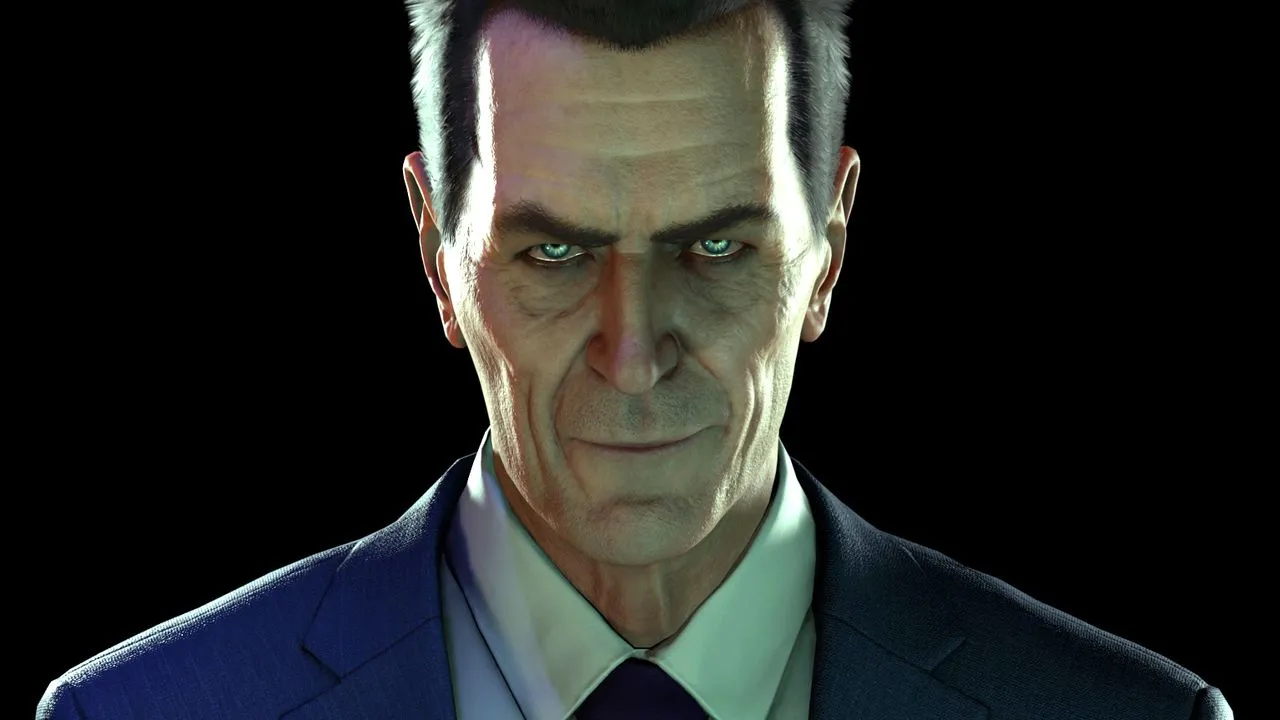
12TB Steam 'teraleak' goes beyond Valve: GTA 3, Mafia 2 prototypes exposed
A 12-terabyte dump of Steam data reveals prototypes and builds of third-party classics like GTA 3 and Mafia 2, plus unreleased Valve content, rewriting game history.

LinkedIn's romance problem: 1 in 4 workers say dating on it is fair game
A new survey shows a quarter of U.S. employees treat the professional network as fair game for romance, even as LinkedIn bans it and removes hundreds of thousands of offending posts.

Enhypen's first No. 1 album breaks K-pop's Billboard 200 streak
The K-pop group's 98,000-unit debut tops the chart while Dolly Parton's catalog reentry shows how death reshapes streaming.