

Christopher Barrett settles $200m wrongful dismissal suit against Sony and Bungie
The ex-Marathon director ends a case tied to claims Sony and Bungie “deliberately destroyed [his] reputation.”
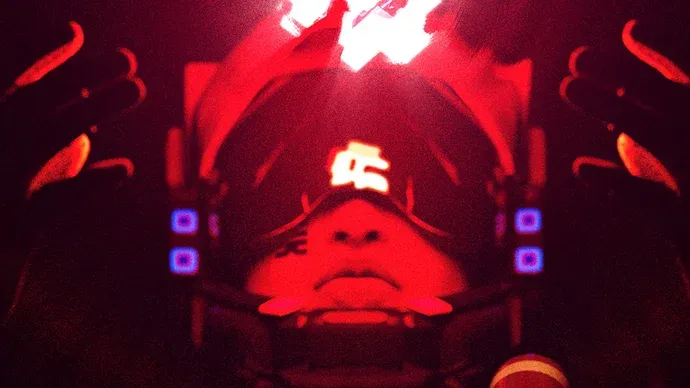
Christopher Barrett, the ex-Marathon director, has announced a settlement with Sony and Bungie after suing them for wrongful dismissal. His lawsuit sought closure for a $200m claim tied to allegations that the companies falsely insinuated sexual misconduct.
Christopher Barrett, the ex-Marathon director, says he has reached a settlement with Sony and Bungie, bringing a $200m wrongful dismissal lawsuit to a close. The case did not revolve around a small HR dispute or a routine employment claim. Barrett alleged something much larger: that Sony and Bungie “deliberately destroyed [his] reputation by falsely, and publicly, insinuating...he had engaged in sexual misconduct.”
For decision-makers, the headline takeaway is blunt. A dispute that could have dragged on with expensive legal discovery and reputational fallout has ended, but the risk that triggered the fight did not disappear. Barrett’s framing was about public insinuations and reputational damage tied to sexual misconduct allegations, and that is exactly the kind of fact pattern that can ignite prolonged litigation for employers in gaming and beyond.
What makes this particularly important for the industry is the way employment disputes now behave like product and brand events. In games, the employer is often also the public platform. When internal personnel issues become public, they do not just sit in an HR folder. They can influence hiring, partnerships, leadership credibility, and even how studios are perceived by talent markets that already move fast and watch closely.
Barrett’s lawsuit targeted both Sony and Bungie. That pairing matters. Bungie is the studio brand most associated with “Marathon,” while Sony is the broader corporate owner with governance and oversight responsibilities that tend to be scrutinized during legal processes. When a claim like wrongful dismissal is paired with allegations of false, public insinuations of sexual misconduct, boards and executives have to assume the legal stakes will include not just employment law arguments but also claims about how allegations were communicated, documented, and managed.
The $200m figure in Barrett’s case is also a reminder that some wrongful dismissal lawsuits are priced like existential threats to a company. Even if the final payment is not disclosed in the source, the existence of a high-valuation claim changes how risk is modeled internally. It can affect litigation strategy, settlement posture, and how much pressure leadership feels to resolve the matter quickly, especially where time itself becomes a risk multiplier. Long proceedings can keep narratives alive, force repeated public responses, and extend the time stakeholders spend trying to understand what exactly was said, when, and why.
There is also a second-order dynamic at play: settlements often close the chapter, but they rarely end the questions. For other executives, the lesson is not that settlements are bad or good. It is that reputational risk is now part of the employment dispute equation, and the public element, if mishandled, is what turns a personnel matter into a corporate event.
This is where governance meets process. When allegations involving sexual misconduct enter the story, employers typically face heightened sensitivity and fast-moving decisions, but that speed does not remove the obligation to get the facts right. Barrett’s claim hinges on the word “falsely,” and on the phrase “publicly, insinuating,” which points to a communications and substantiation problem, not just a disagreement over employment outcomes. If you are a studio leader or board member, you have to assume that any public phrasing, internal statement, or external implication can later be characterized as reputational destruction.
And because this case touches Sony and Bungie, it becomes a benchmark for similar organizations wrestling with the same pressures. Gaming companies are under intense scrutiny from regulators, media, and talent candidates, and employment claims are now watched as signals of culture and credibility. The strategic stakes for peers are simple: if you can prevent a wrongful dismissal claim from becoming a public insinuation story, you reduce both litigation risk and the reputational drag that can follow every headline cycle.
Barrett has announced the settlement, but the underlying tension remains a case study for leadership teams: employment decisions, public communications, and reputational harm can intersect in ways that create massive legal exposure. Ending the lawsuit brings closure to this chapter, but it also underlines how quickly employment disputes can become a brand-wide problem when the facts and messaging are contested in court.
This story's Key Insights and Take-aways are locked.
Create a free account to unlock Executive Actions for one credit.
Register to UnlockAlways free for Executives Club members. Join the Club
More in Business

AstraZeneca $27B wipeout as Wainua late trial misses cardiovascular target
A failed late-stage heart study triggered a swift market punishment, forcing investors and boards to reset timelines and risk.
Comcast shares jump 25% as it plans to split NBCUniversal and Sky
The tax-free spin-off could reshape focus, funding, and competition across media and tech for years.

Bungie cuts most Destiny 2 staff as Sony says Marathon still matters
Herman Hulst confirms layoffs affecting most Destiny and some Marathon teams after Bungie admits Destiny fell short.