

Citadel hedge funds post broad first-half gains, tactical fund jumps 14.3%
The discretionary-plus-quant strategy climbed 14.3% through June 30, steering around a quant selloff shockwave.
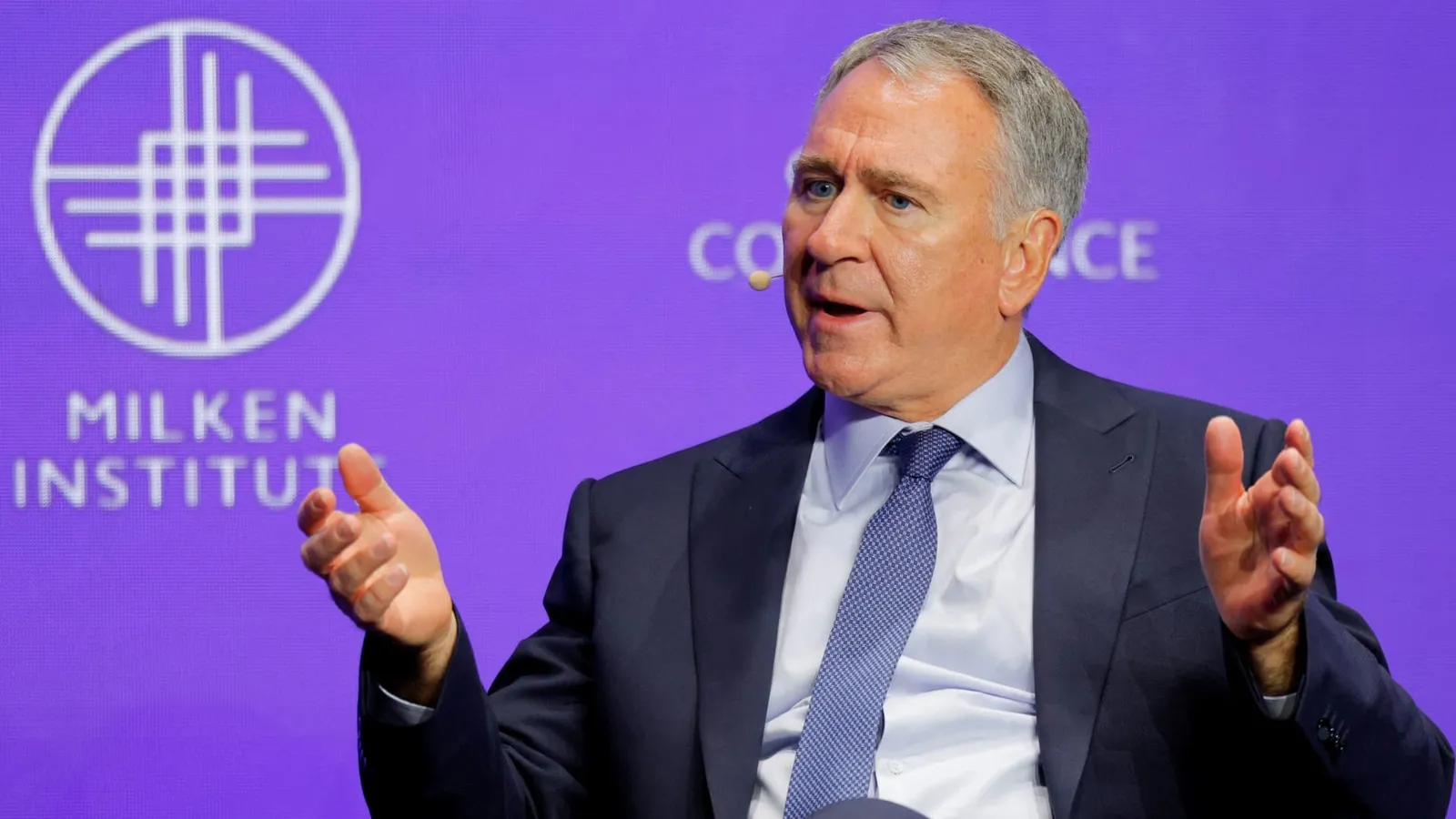
Citadel’s hedge funds posted broad gains in the first half of the year, with its tactical trading fund rising 14.3% through June 30. For decision-makers, it highlights how hybrid, strategy-diversified portfolios may matter more than any single market factor.
Citadel’s hedge funds delivered broad gains across the first half, and one part of the firm’s toolkit stood out: its tactical trading fund rose 14.3% through the end of June. The fund is designed as a hybrid approach, combining discretionary equity investing with quantitative strategies, so when markets whip around, it is not betting everything on one playbook.
That 14.3% number is the headline-worthy datapoint because it comes with a particular market context: the strategy “sidesteps” what CNBC describes as a quant selloff. In other words, even if a broad, factor-driven or model-driven downturn pressured other quantitative exposures, Citadel’s tactical structure still managed to move higher by late June. For executives who care about portfolio construction, that is a useful reminder that “quant” is not a single homogeneous thing. It can mean pure systematic exposure, discretionary overlays, or a blending of methods intended to dampen regime risk.
Zooming out, the first half of any year often turns into a stress test for hedge fund portfolios. Markets are not linear; volatility tends to arrive in bursts, liquidity can change quickly, and correlations can snap into new combinations. In those moments, hedges and diversification assumptions get tested. A tactical trading fund that mixes discretionary decisions with quantitative signals is built for exactly that kind of environment, because discretion can react to what models often cannot fully capture in real time, while quantitative elements can enforce discipline on entries, sizing, and risk management.
There is also a governance angle here. Hedge funds operate under heavy internal accountability, even if they are not public companies with the same disclosure rules. If a firm has a fund that combines discretionary and quantitative methods, boards and investors typically focus on whether the risk framework is coherent and whether losses are controllable when strategies disagree. The fact that Citadel’s tactical trading fund climbed 14.3% through June suggests that, at least over this window, the interaction between discretionary equity views and quantitative strategies did not create the kind of self-canceling behavior that can happen when different sleeves trade on conflicting signals.
Regulators and policy watchers add another layer of background. Hedge funds have long been in the crosshairs of discussions about market stability, leverage, and systemic risk. While this story does not cite any regulatory action, the broader backdrop matters because heightened scrutiny can influence how firms think about liquidity, reporting, and risk controls. In a world where regulators pay attention to market plumbing and transparency, the most investable hedge fund strategies are often the ones that can explain their risk in plain English and demonstrate they can function when market microstructure gets messy.
For peers at other asset managers, the second-order implication is not just “Citadel is up.” It is that hybrid structures can be a competitive advantage when markets punish overly crowded trades. A quant selloff implies that parts of the market were moving together for mechanistic reasons. If one firm can separate itself from that dynamic, it can attract more capital, support performance fees, and strengthen internal confidence around tactical models and discretionary processes.
The stakes are real for executives who are both capital allocators and builders. Investors benchmark against peers, but they also look for process durability. When a tactical, discretionary-plus-quant fund can still post a 14.3% gain through June 30 while other quant exposures face pressure, it signals that the firm’s design may be more resilient than a single-factor exposure. In a market where “regime shifts” are the phrase everyone uses but almost no one can time cleanly, resilience is the valuable commodity.
Put simply: Citadel’s first-half results, and especially the tactical trading fund’s 14.3% rise through June, offer a concrete example of how strategy blending can help navigate messy tape. For decision-makers watching how hedge funds manage risk during periods described as involving a quant selloff, this is a performance data point worth taking seriously, because it points to portfolio construction choices that can matter long after the market headlines fade.
This story's Key Insights and Take-aways are locked.
Create a free account to unlock Executive Actions for one credit.
Register to UnlockAlways free for Executives Club members. Join the Club
More in Business

Comcast shares jump 25% as it plans to split NBCUniversal and Sky
The tax-free spin-off could reshape focus, funding, and competition across media and tech for years.

Bungie cuts most Destiny 2 staff as Sony says Marathon still matters
Herman Hulst confirms layoffs affecting most Destiny and some Marathon teams after Bungie admits Destiny fell short.

SK Hynix jumps 11% after seeking up to $29.4B in Nasdaq listing
The chip giant filed for a Nasdaq listing plan that could raise $29.4 billion, instantly reshaping investor expectations.