

Citadel’s tactical trading fund rose 14.3% in H1, dodging a quant selloff
How Citadel’s discretionary plus quant approach helped it post broad gains through June 30, and why it matters.
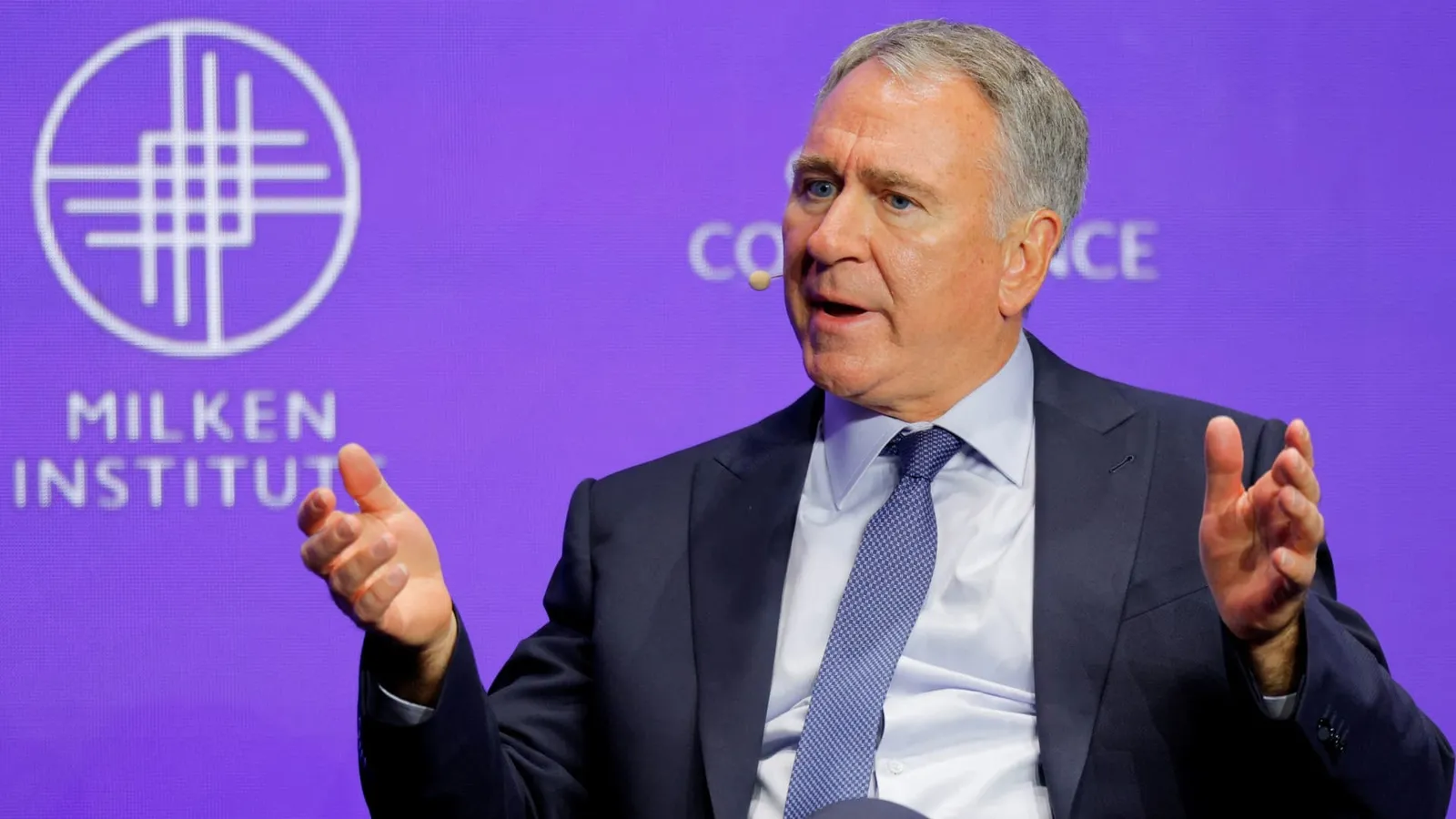
Citadel’s hedge funds posted broad first-half gains, led by its tactical trading fund, which combines discretionary equity investing with quantitative strategies. The fund climbed 14.3% through the end of June, giving decision-makers a real signal about how flexible trading models are faring when quant positioning gets stressed.
Citadel’s hedge funds ended the first half with broad gains, and one internal strategy stream did the heavy lifting. The firm’s tactical trading fund, which blends discretionary equity investing with quantitative strategies, climbed 14.3% through the end of June.
That 14.3% number matters because it points to a specific kind of resilience. CNBC described the period as one where a “quant selloff” hit the market, yet this tactical fund avoided the worst of the pressure and still managed a strong first-half result. In plain English: even when markets punish systematic positioning, a hybrid approach can keep working.
To understand why that is interesting, you have to know what a quant selloff usually means in practice. When risk models, factor exposures, or algorithmic execution all point in the same direction, selling can become mechanically self-reinforcing. Liquidity thins. Volatility rises. And strategies that rely heavily on similar signals can start to look, temporarily, like they are all sitting in the same chair when the room tilts. The stakes for executives are not just performance for the quarter, but what the quarter signals about the durability of the trading stack.
Citadel’s structure is relevant here because the tactical trading fund is explicitly designed to combine two different ways of making decisions. Discretionary equity investing is the human part, where judgment, interpretation, and judgment calls can respond to nuance. Quantitative strategies are the systematic part, where rules and models execute at scale and enforce consistency. When you put them together, you are effectively betting that the portfolio does not become one-dimensional. So if the systematic sleeve is under pressure, the discretionary sleeve can, at least in some regimes, offset or redirect.
In a first-half environment like the one CNBC references, investors and boards usually care about one question: is the result an accident of timing or a sign that the investment process is robust? A broad first-half gain suggests more than one lever worked. CNBC’s framing highlights that the top performing strategy sidestepped the quant selloff. That is a very particular kind of attribution, and it is the kind that can influence capital allocation decisions, internal risk budgeting, and how leadership talks about process versus luck.
There is also a governance layer to this. Hedge fund firms operate with a constant tradeoff between returning capital to investors and taking enough risk to compete for top-tier performance. When results are strong, leadership gets more flexibility. When results are weak, the board and investor base often pressure management to explain what went wrong and what will change. A tactical fund that posts a 14.3% rise through June provides leadership with something concrete to point to: not just an optimistic narrative, but an outcome tied to a named strategy approach.
Second-order implications follow quickly in the competitive hedge fund ecosystem. If a firm with both discretionary and quantitative capabilities can post broad first-half gains while sidestepping a quant selloff, peers may revisit how they balance model-driven bets against more discretionary overlay. Boards may ask whether their own platform encourages genuine diversification, or whether “diversified” portfolios sometimes share the same hidden factor exposures, just wrapped in different wrappers. Executives may also revisit execution and liquidity assumptions, because in stressed markets the ability to trade without amplifying drawdowns is often as important as the signal.
For decision-makers at funds or allocators watching similar managers, the practical takeaway is straightforward: a strong period for a tactical hybrid sleeve during a market stress event is a datapoint about survivability, not just upside. Citadel’s tactical trading fund climbed 14.3% through the end of June, according to CNBC. In a world where systematic selling can ripple across strategies that look independent, that result is a reminder that portfolio construction choices can matter when the market stops cooperating.
This story's Key Insights and Take-aways are locked.
Create a free account to unlock Executive Actions for one credit.
Register to UnlockAlways free for Executives Club members. Join the Club
More in Business

BioWare shuts down, Mass Effect 5 dead after $55B EA buyout
The legendary RPG studio's closure lands months after a $55 billion investment group buyout of EA, raising tough questions for gaming's biggest acquirers.

Musk barred from the room as Tesla, SpaceX boards weigh $3.5 trillion merger
The CEO of both companies is a 'conflicted party' watching independent directors negotiate a tie-up that would create a $3.5 trillion giant he would own about a third of.

Elon Musk just showcased a flying car - and it wasn't at Tesla
The Tesla CEO's latest reveal came at SpaceX, not Tesla, signaling where vertical mobility is headed.