

CMF by Nothing Watch 3 Pro drops to $69 at Amazon, undercuts screenless rivals
A 1.43-inch OLED smartwatch with dual-band GPS and up to 13 days battery life just got a budget price war nudge.
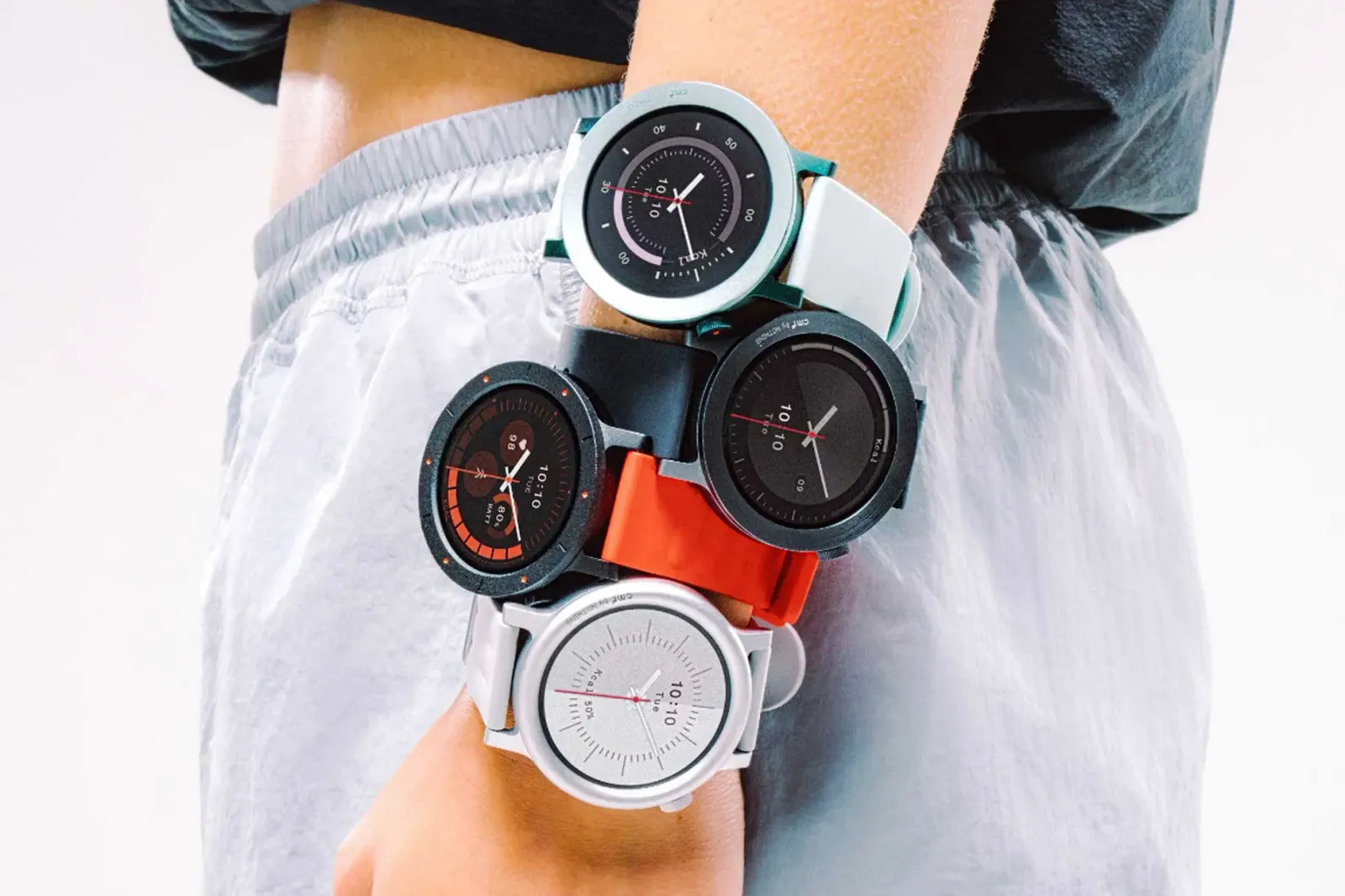
CMF by Nothing’s Watch 3 Pro smartwatch is selling for $69 at Amazon in every color, featuring a 1.43-inch OLED display and specs like dual-band GPS and up to 13 days battery life. For decision-makers, the $20 gap versus the screenless Google Fitbit Air signals pressure building in the low-cost wearables market.
The CMF by Nothing Watch 3 Pro is now $69 at Amazon in every color, and that $69 number matters because it is not a “barely a smartwatch” price. It is for a budget-friendly smartwatch with a 1.43-inch OLED display, dual-band GPS, and a battery life claim of up to 13 days. The Verge’s listing notes the price fluctuates between $79 and $99 most of the time, but at the moment it is sitting at the low end, with no color tax.
That is the real payoff. Most fitness trackers have been moving toward screen-off designs to keep costs down, but CMF by Nothing is doing something different: it is bringing back an eye-catching display at a price that typically competes with models that do not have screens. And while the Watch 3 Pro’s spec sheet is clearly built for everyday use (especially workouts), it is also positioned to look “good enough” for non-gym life, which is the kind of product framing that tends to drive retention beyond first-week enthusiasm.
From a product and go-to-market perspective, the Watch 3 Pro is described as having 131 sports modes, a four-channel heart rate sensor, and compatibility with both iOS and Android. It also carries IP68 protection, which matters because wearables live and die on whether they can survive sweat, rain, and normal daily abuse without the user turning into a waterproofing engineer. On the workout side, the dual-band GPS is the standout. GPS accuracy is one of those features that sounds technical until you have a run that looks wrong on the map, at which point “data quality” becomes a consumer trust issue. The watch is also integrated with typical health and training ecosystems, including Strava and Apple Health.
Battery life is the other pillar of this value proposition. The listing states “up to 13 days” on a single charge under normal use. That is not just a marketing line. The article describes real-world behavior too: even with the always-on display enabled, the reviewer says they could typically wear the Watch 3 Pro for two or three days before needing a charge. That is still a meaningful advantage over many smartwatches that push you toward frequent charging, and it reduces the “maintenance tax” that quietly kills device adoption.
There is also a price-to-feature mismatch that executives and board members should notice. The article says the Watch 3 Pro currently costs $20 less than the screenless Google Fitbit Air. That single comparison is a strategic signal. If a screenless competitor is priced close to a full OLEd offering, buyers get stuck asking why they would trade the always-on experience and glanceable interface for the same general goal: tracking workouts and health. In a category where churn can be high and switching costs are low, being the better spec at the same price point, or the same spec at a lower price point, can convert “curious” shoppers into “kept” customers.
Nothing’s CMF line also uses design customization as an engagement lever. The Watch 3 Pro is available in four different styles, with each color tied to its own bezel shape, detailing, and color-coordinated strap. The Nothing X app reportedly includes a ton of watch face options, including faces with heavy complication layouts and others focused on fun and style. For an organization thinking about product-market fit, this matters because it turns the watch from a single-purpose tracker into something closer to a consumer accessory. The reviewer notes having the light green model and getting compliments, and they also call out the orange model for a more fitness-focused look.
Not everything is perfect, and the source does not pretend otherwise. The article says the watch is a little large, which is “my preference for watches,” but it can make sleep tracking uncomfortable. That is the kind of trade-off wearables businesses have to manage carefully. Sleep tracking is often the feature that turns a “workout watch” into a “daily companion.” If comfort is off, it can reduce data collection during the most important window of the day, which then undermines the perceived usefulness of the product over time.
If $69 is still too much for a buyer, the story points to an alternative: the CMF by Nothing Watch Pro 2 is currently $39 at Amazon (usually $55). The source adds that Watch Pro 2 has upgraded GPS, a more accurate heart rate monitor, longer battery life, and a slightly larger screen. It also notes both models use the same app, and the older version includes swappable bezels to customize the look. That creates a clean segmentation path within the same ecosystem: start with the lower-cost model if budget is tight, then move up if you value improved measurement and display details.
Zooming out, this is not just a sale. It is a reminder that the low-cost wearables space is still competitive on substance, not only on gimmicks. The combination of a 1.43-inch OLED screen, dual-band GPS, 131 sports modes, IP68 protection, and up to 13 days battery life at a $69 price point puts pressure on anyone trying to defend higher prices without delivering a visibly better experience. For founders, operators, and investors watching the category, the strategic question is simple: when shoppers can get screenful tracking plus multi-sensor accuracy for less than a screenless alternative, what happens next to pricing power, feature gating, and customer churn?
This story's Key Insights and Take-aways are locked.
Create a free account to unlock Executive Actions for one credit.
Register to UnlockAlways free for Executives Club members. Join the Club
More in Technology

Google quietly links your phone number to every Android account on your SIM
Adding a SIM now ties your phone number to all Google accounts - and future accounts inherit it. Here's the security and privacy stakes.

Hijacker AI 'Skynet mode' runs 100,000 attack steps against exposed models
Symantec caught a criminal AI agent that borrows other models, steals data, and mines crypto; the only relief is no confirmed victims yet.

Nvidia's AI-financier shift faces its first big test as neoclouds stumble
A rout in neocloud stocks is forcing investors to weigh Nvidia's hidden exposure as both supplier and lender to the AI buildout.