

Commodore’s Peri Fractic builds a $499 distraction-free phone by killing core apps
Callback 8020 ditches social, email, and the browser, runs Sailfish OS, yet keeps music, calls, and WhatsApp.
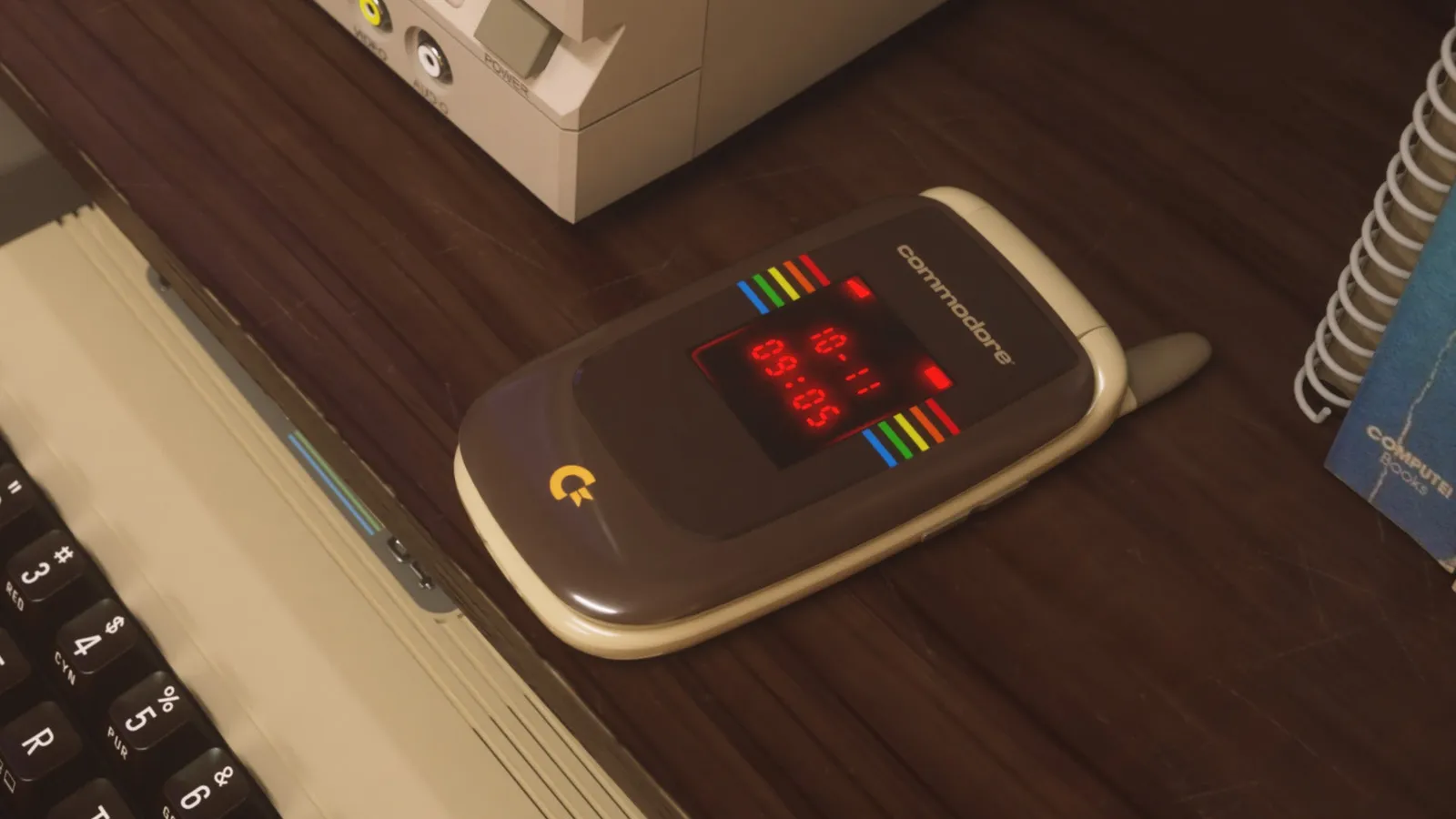
Peri Fractic (Commodore President and CEO) is driving the rollout of the Commodore Callback 8020, a flip-style phone running Sailfish OS. For decision-makers, it is a rare product bet: compete in a market defined by engagement by removing the engagement engine.
Commodore’s President and CEO Peri Fractic, whose real name is Christian Simpson, built the Callback 8020 around one blunt premise: he was “addicted to [his] smartphone.” In Commodore’s framing, the phone is designed “with no social media, no email, no browser, and no apologies.” Translation: this is not a privacy tool that quietly hides trackers. It is a distraction-free handset that selectively disables the apps people actually spend the most time on.
That design starts with what the Callback 8020 will not let you do. It runs Sailfish OS, described as a “completely de-Googled experience,” and it can run “99%” of Android apps while selectively blocking the ones that fuel doom-scrolling. The article is very specific: no Facebook, no Instagram, no Slack, and you cannot even check your email. You can still keep in touch via text messaging and actual phone calls, plus a special version of WhatsApp that Commodore worked with Meta to create.
So the interesting question is not “can you live without social media?” It is “can you live without the modern phone’s default workflow?” The Callback 8020 is trying to split the difference between dumb and smart by keeping the basics, then rebuilding everything else like a curated shelf. It includes an “audiophile grade DAC” for music playback and supports Spotify, which matters because music and podcasts are among the few consistent use cases that are not just scrolling with better lighting. It also has an FM tuner built in, a feature that feels like a wink at radio culture and the stubborn reality that people still tune into local stations for sports, talk, and music.
Then there is the camera. The Callback 8020 includes a 48MP camera, but it deliberately blocks the path that turns a camera into an engagement machine. You can take photos and revisit them later, but the phone refuses the usual behavior loop by not letting you upload your photos to Instagram. That is a meaningful product distinction: many “digital wellbeing” pitches focus on settings. Commodore is aiming at behavior architecture, limiting the easiest route from capture to share.
All of this lands in an industry that has spent a decade monetizing attention. Mobile app ecosystems reward time-on-screen, and regulators have increasingly pressured platform operators and developers around privacy and data practices. But the Callback 8020 sidesteps that whole arena by trying to remove the default pathways where the attention capture happens. Instead of depending on policy changes or user self-control, it depends on OS-level app gating. That is both a user-experience bet and a commercial bet. It is also why the Sailfish OS approach is central: the pitch is “99%” Android app compatibility while selectively disabling specific high-usage services.
If you are an executive, investor, or board member watching this, the second-order impact is bigger than one phone. Commodore, yes the same Commodore behind the Commodore 64, is leaning into a “retro nerd” identity while selling a modern compromise: fewer apps, better intent, and the nostalgia of an early 2000s flip-phone aesthetic. The company is not just offering features; it is offering a stance against the prevailing product philosophy of maximizing engagement. That stance can attract a niche audience intensely, but it also tests whether there is scalable demand for lower-friction living in a category built for frictionless sharing.
Commodore also has the advantage of timing and brand equity. The article notes Commodore’s previous hardware moment: the Commodore 64 Ultimate, described as the first foray into hardware since forever and something IGN awarded a “10,” calling it one of the few hardware 10s IGN has ever awarded. The Callback 8020 is expected to release later this year, with multiple colorways and price points: BASIC Beige, ProtoPET White, and SX Silver priced at $499.99; the Starlight Edition priced at $549.99; and an extremely limited Founders Edition complete with a 24K gold plated “C” button for $640. Preorders, when they open, will be at Commodore’s Callback website, where visitors can already put their name on the waitlist.
For teams building products, the strategic stakes are clear. If the Callback 8020 gains traction, it suggests there is room in mobile for “less” to be a differentiator, not just a limitation. If it struggles, that still informs the market: engagement removal may be a compelling lifestyle narrative, but monetization models and app ecosystems may resist. Either way, executives in mobile, consumer tech, and platforms should treat this as a signal worth studying. Commodore is not trying to win the attention game by playing better. It is trying to win by refusing to play.
This story's Key Insights and Take-aways are locked.
Create a free account to unlock Executive Actions for one credit.
Register to UnlockAlways free for Executives Club members. Join the Club
More in Entertainment

Russell Brand's accuser 'bewildered and confused' as he denies 7 sex charges
The criminal case against the comedian is a live test of how media companies manage talent risk when serious allegations go public.

'It's a Magic Trick': Ballet Experts Say Rosalía's SNL Pose Is Impossible
Three ballet experts tell Rolling Stone Rosalía's gravity-defying SNL stillness shouldn't be possible - and why the debate is now part of the show.

Activision CMO: GTA 6 Will Boost Call of Duty, Not Bury It
Activision's top marketer says Rockstar's blockbuster will drive players back to consoles and into Modern Warfare 4, even as the company admits its recent strategy failed.