
Congress of Panama in 1826 tried resisting great powers. The lesson still hits today
The “other American anniversary” was a blueprint for smaller states, with relevance for boards and regulators now.
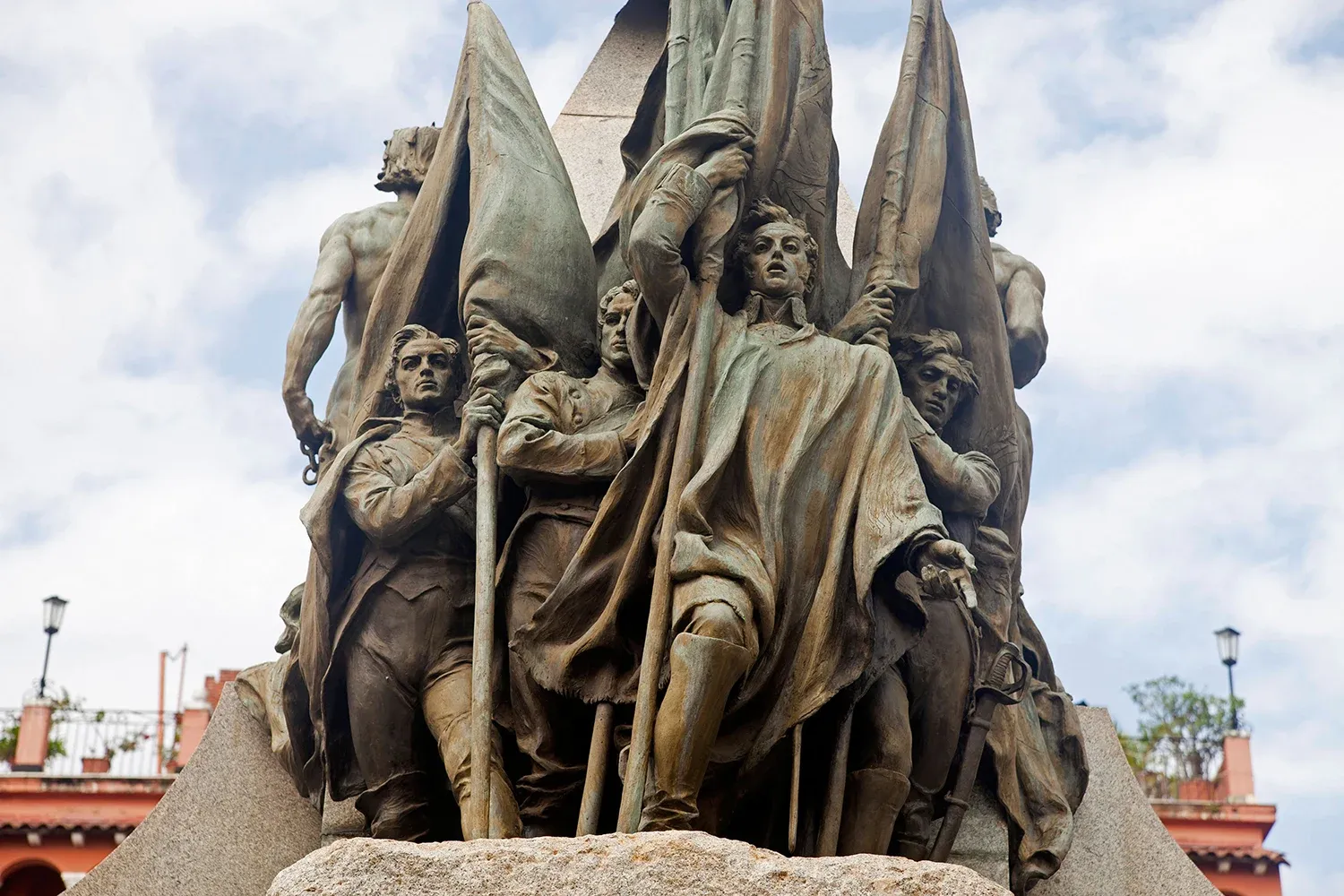
In 1826, the Congress of Panama aimed to resist the predations of great powers. Its core logic is still relevant for how decision-makers think about leverage, coordination, and external pressure.
The 1826 Congress of Panama sought to resist the predations of great powers. That single sentence from Foreign Policy is doing heavy lifting, because it points to a problem that has not gone away. Great powers still test the boundaries of smaller states. They still exploit asymmetries. And they still wrap coercion in whatever language the era finds convenient.
For decision-makers trying to understand today’s strategic risk, the Panama Congress matters because it was not a random diplomatic episode. It was an attempt at collective resistance, a push toward coordination among newly independent or emerging states facing much larger militaries and deeper pockets. In other words, it treated vulnerability as a structural condition, not a personal failing. The brief becomes instantly modern: if you are smaller, you do not just need better luck. You need better alignment.
To see why the reference lands so hard in 2026, it helps to translate the historical setup into the way power works in business and policy today. Great powers rarely rely on only one lever. Sometimes it is direct coercion. Often it is regulation, market access, standards, financing terms, or information advantages. Those are the modern equivalents of old-world pressure. They can look “procedural” while still determining who gets to compete on fair terms and who gets cornered.
The Congress of Panama is a reminder that resistance often starts with coordination. When states can act separately, the bigger side can pick them off one by one, bargaining with each actor at a time and forcing concessions before alternatives exist. But when actors coordinate, the playbook changes. It becomes harder to isolate the weakest link. The risk shifts from “we are negotiating with the stronger party” to “we are negotiating with the bloc,” which changes both the economics and the psychology of the deal.
That second-order dynamic is exactly what makes the anniversary feel like more than trivia. In today’s corporate world, boards and executives constantly manage concentrated counterparty risk. Customers with leverage, suppliers with bottlenecks, platforms with gatekeeping power, and regulators with discretion can all tilt outcomes. When that leverage is concentrated, each organization can feel like a small country. And when each one acts alone, the stronger side has more opportunities to extract concessions.
The Panama Congress also underscores why governance choices matter under pressure. Collective resistance requires rules, processes, and trust. It needs an agreement on what counts as shared interest and how to respond when interests diverge. Without that, coordination turns into performative unity, which sounds nice and collapses quickly. With it, even imperfect coordination can raise the cost of predation. The historical point is not that coordination magically eliminates power. It is that coordination can change the payoff structure, making coercion less efficient.
Now zoom out to the wider theme suggested by Foreign Policy: this was “as relevant then as it is now.” The relevance is not in some vague moral lesson. It is in the mechanics of asymmetric power and the strategic value of collective action. If you are an executive, an investor, or a regulator, you should notice when the environment rewards division. You should ask who benefits from you acting alone. And you should evaluate whether your institution has the internal alignment to sustain partnerships under stress.
For peers in similar roles, the stakes are practical. The next external shock, the next rule change, the next market access restriction, the next geopolitical escalation, could test how resilient your strategy really is. The 1826 Congress of Panama tried to build resilience through coordination against “predations of great powers.” Its basic logic can serve as a framework: map the asymmetries, anticipate the pressure points, and treat alignment not as a nice-to-have, but as a form of risk management. That is the through-line that makes this “other American anniversary” worth remembering today.
This story's Key Insights and Take-aways are locked.
Create a free account to unlock Executive Actions for one credit.
Register to UnlockAlways free for Executives Club members. Join the Club
More in Politics
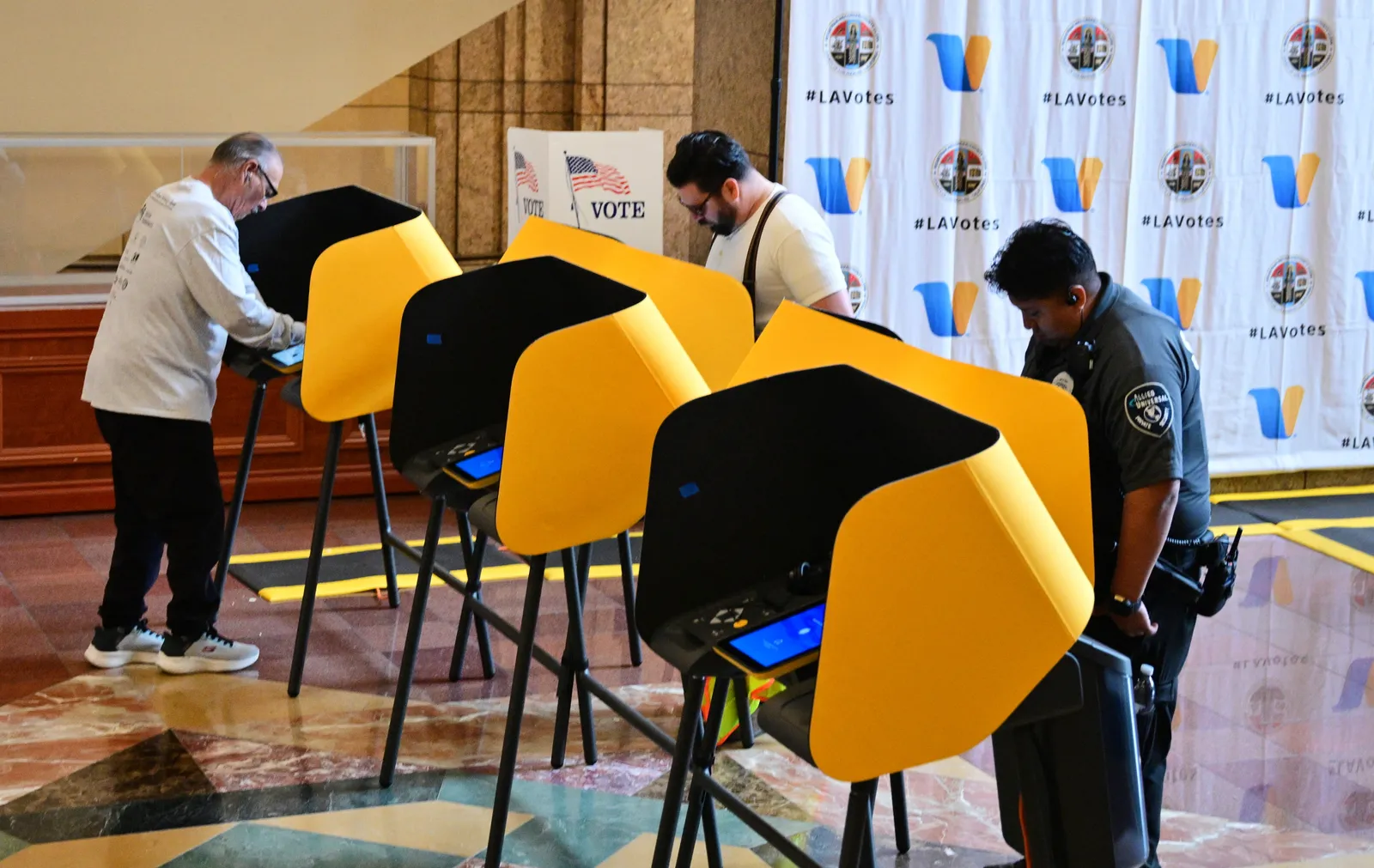
LA County: DOJ's 20,000 'noncitizen' voter list is 'unreliable,' includes U.S.-born
Preliminary review by Los Angeles County election officials finds errors in the federal list, raising the stakes for voter roll integrity ahead of November.
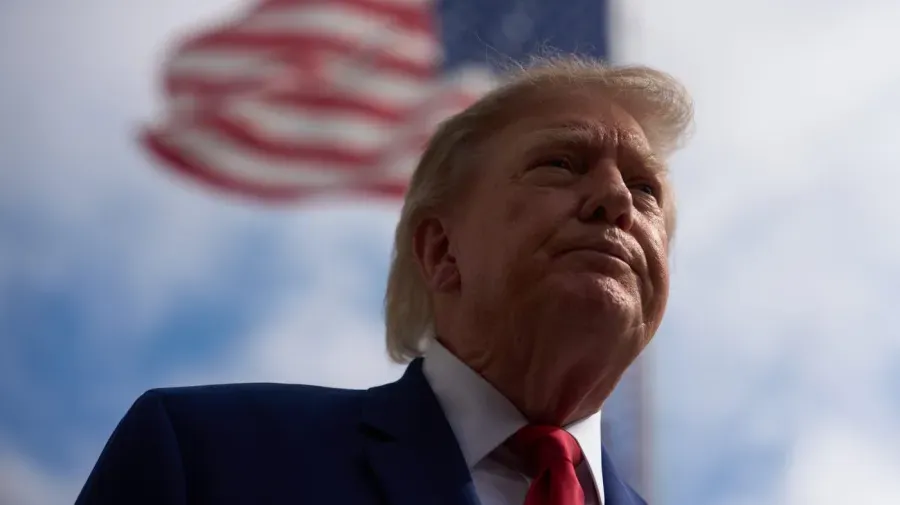
Trump's $1.5B Pentagon chip investment lands in North Carolina
A $1.5 billion defense infusion for North Carolina chipmaking signals a new era of Pentagon-backed reshoring - here's what it means for the industry.
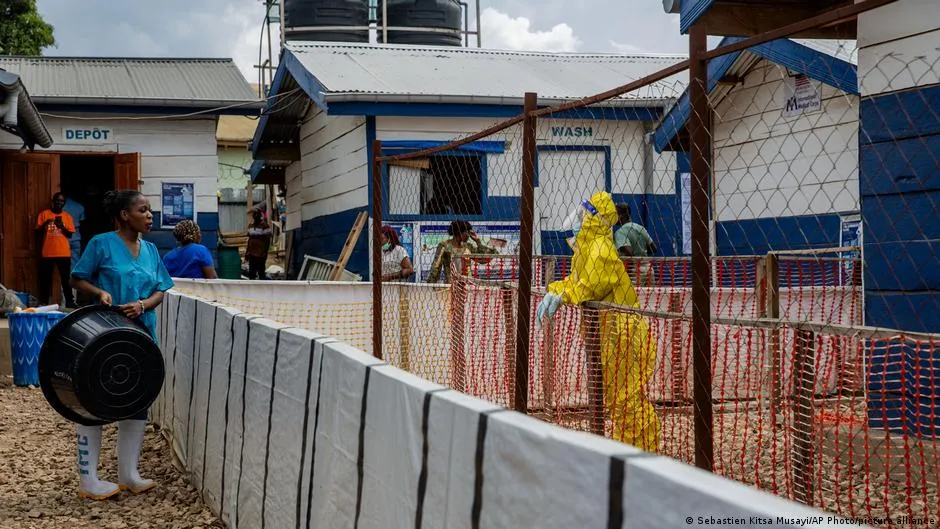
Nigeria confirms first Ebola case in Abuja, a woman just off a Uganda flight
Health Minister Muhammad Ali Pate says the patient flew in from Uganda, putting Africa's latest outbreak on Nigeria's doorstep.