

Connor Raines hunts wrong clues in Rehaunted, the PC psychological detective horror game
A new first-person case goes supernatural on PC, with radio teamwork and UV tools turning evidence into a trap.
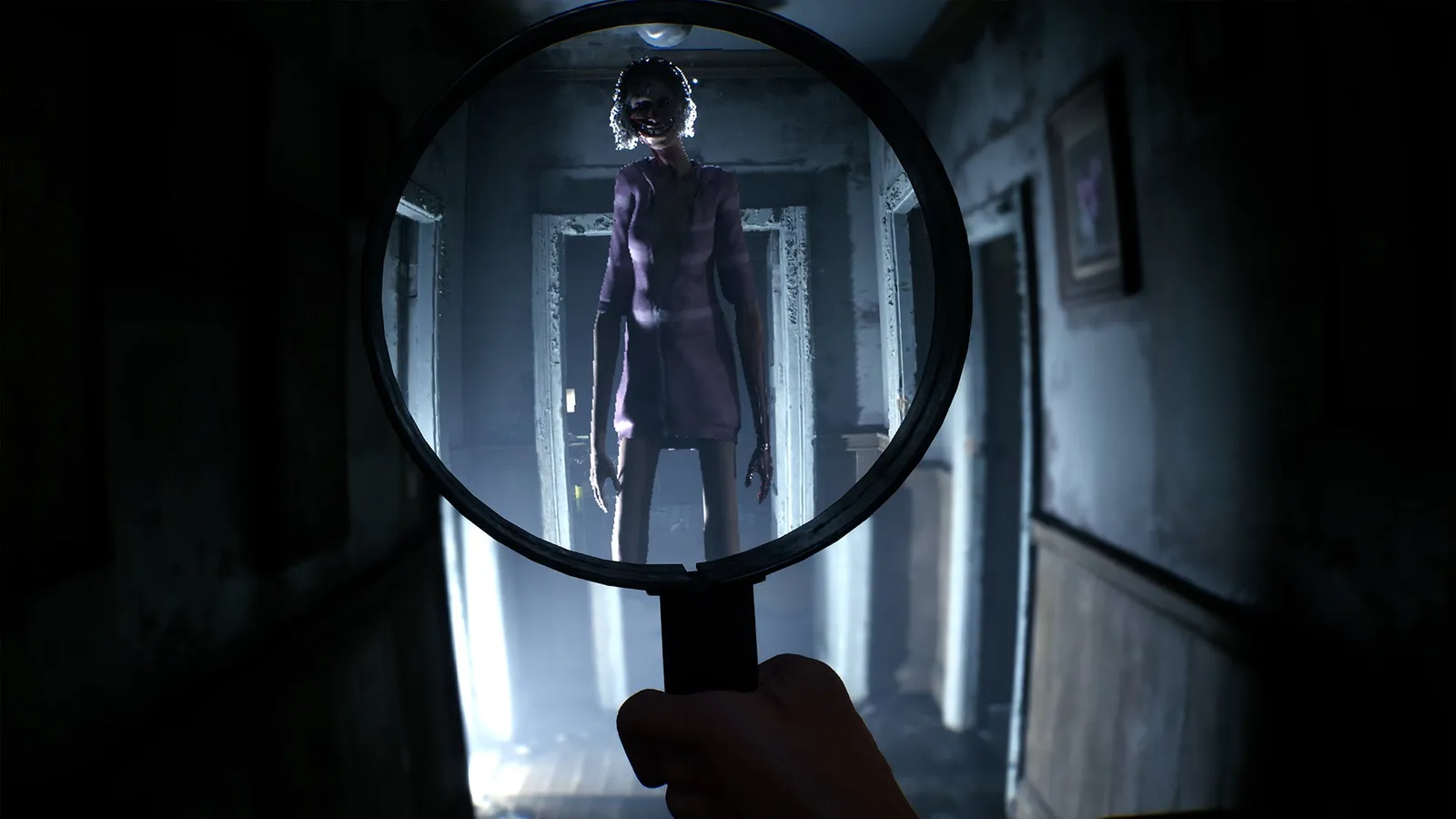
Rehaunted is a first-person psychological detective horror game in development for PC, starring Connor Raines as he investigates a strange house. The consequence for decision-makers: a clear example of how narrative-driven tension plus “co-op by radio” mechanics can differentiate in the crowded horror market.
Rehaunted, a new first-person psychological detective horror game, is in development for PC, and you play as Connor Raines. The premise is simple enough to promise: every clue you investigate in the house seems wrong, and the mystery escalates over the course of your investigation (including in the first trailer).
Here is the key design pivot that matters: you are alone in the house, but you are not entirely alone. Connor communicates with another detective by radio, sharing findings and talking through the case in real time. That creates a built-in tension engine. You are gathering physical evidence, but you also have a second brain on the line, which means the game can pressure you socially as well as visually. Instead of horror that only comes from what you see, Rehaunted can also come from what your “remote” partner hears, agrees with, or questions.
From a market standpoint, this is a smart way to stand out in horror without relying solely on jump scares. The source describes a detective structure: blood traces, fingerprints, hidden recordings, personal belongings, and an evidence board that helps you connect dots. The game also adds specific investigation tools: UV tools, a camera, and a magnifying glass. In other words, the game is selling you the fantasy of being methodical. Then it threatens to break that fantasy by making the clues you find feel wrong. That “I did everything correctly, but the evidence still feels off” pattern is exactly the kind of psychological pressure horror players tend to remember.
The trailer and screenshots also reinforce how the house itself becomes an adversary. When you are using a magnifying glass prominently, focusing on fingerprints and recordings, the setting is not just background art. It is an active puzzle space. The horror implication is straightforward: if the environment keeps feeding you the wrong version of reality, your usual tools for certainty start failing. And because it is first-person, you are not watching someone else solve the case. You are living inside the act of verification.
There is also a systems angle worth noting for executives tracking product differentiation. Rehaunted combines three distinct layers of gameplay fantasy. First is the investigation loop: scan, collect evidence, update an evidence board, and follow leads. Second is the tooling layer: UV tools, camera, magnifying glass. Third is the communication layer: radio dialogue with another detective in real time. Even without knowing more details of the final implementation, these layers suggest the game can vary tension beats. You might be calm and analytical while checking evidence with UV light, then suddenly destabilized by something your partner flags over the radio.
If you are thinking about the “boardroom” side of the horror business, this matters because audience expectations are now higher than “scare me.” Players increasingly want grounded mechanics that justify why they are uneasy. Detective horror is one of the few subgenres where players tolerate confusion because the structure implies there must be an answer. Rehaunted is leaning into that bargain, then weaponizing its own rules by turning the evidence you trust into something you question.
On distribution, the source is clean: you can wishlist Rehaunted on Steam if you are interested. That is not a random line. Wishlist counts are a measurable signal for PC launches, and they often influence how a title is positioned for attention when it is time to sell. For teams and publishers, a detailed description of tools, character (Connor Raines), and interaction method (radio communication with another detective) gives players fewer reasons to scroll past before adding it to the queue. The product story is doing conversion work.
For peers making or funding similar games, the second-order takeaway is about audience trust. Rehaunted promises a detective experience, then subverts it by making every clue feel wrong. The strategic stakes are clear: if the final game delivers the escalation promised in the first trailer, it can build a reputation in a genre that punishes mediocrity. If it does not, the detective framework can make disappointment harsher, because players will expect the mystery to have structural payoffs.
This story's Key Insights and Take-aways are locked.
Create a free account to unlock Executive Actions for one credit.
Register to UnlockAlways free for Executives Club members. Join the Club
More in Entertainment
12TB Steam 'teraleak' goes beyond Valve: GTA 3, Mafia 2 prototypes exposed
A 12-terabyte dump of Steam data reveals prototypes and builds of third-party classics like GTA 3 and Mafia 2, plus unreleased Valve content, rewriting game history.

LinkedIn's romance problem: 1 in 4 workers say dating on it is fair game
A new survey shows a quarter of U.S. employees treat the professional network as fair game for romance, even as LinkedIn bans it and removes hundreds of thousands of offending posts.

Enhypen's first No. 1 album breaks K-pop's Billboard 200 streak
The K-pop group's 98,000-unit debut tops the chart while Dolly Parton's catalog reentry shows how death reshapes streaming.