

Cory Barlog rejects God of War prequel to expand the franchise afterlife
Sony Santa Monica is pivoting from origin stories to a parallel timeline to unlock the God of War universe's deepest mysteries.
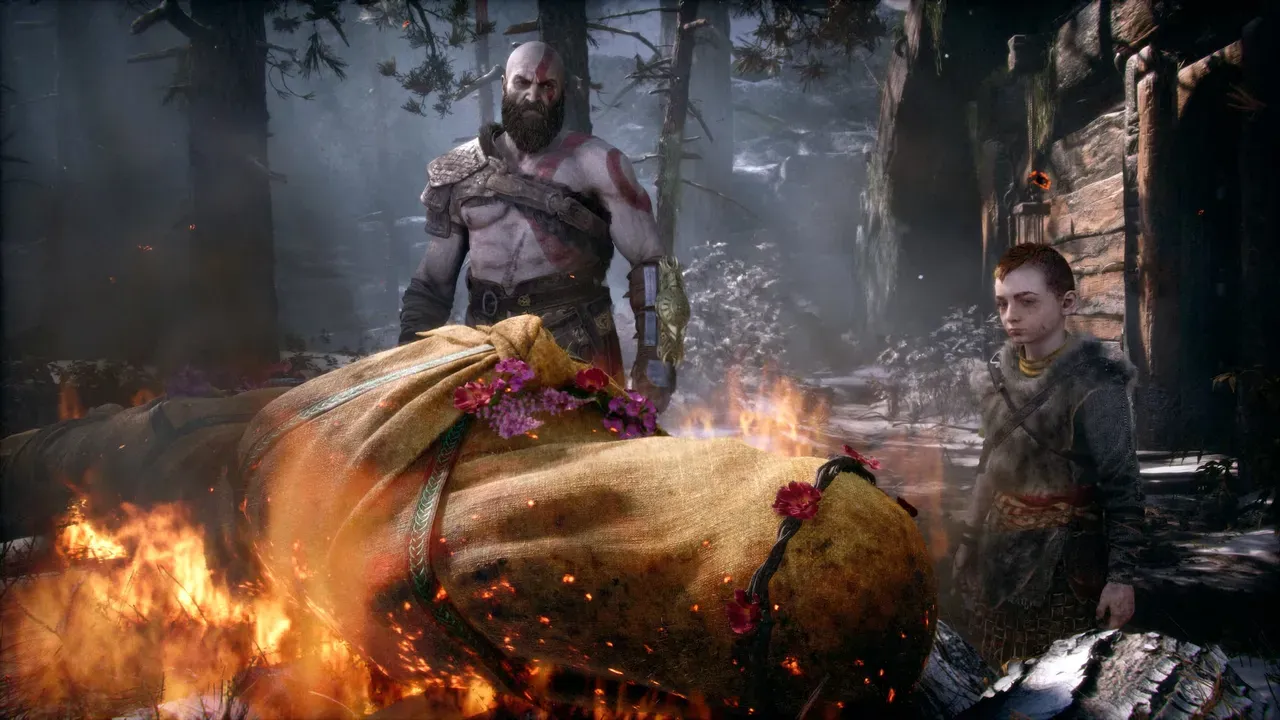
Sony Santa Monica Studio Head Cory Barlog has confirmed that the upcoming God of War Laufey will not be a prequel, but a parallel narrative set in the afterlife. This strategic shift aims to expand the franchise's world-building by exploring the 'Everywhen' rather than retreading established history.
Sony Santa Monica Studio Head of Creative Cory Barlog has officially broken the industry assumption that the next chapter in the God of War saga would be a prequel. Instead of looking backward to explain the origins of Faye (Laufey), the studio is moving forward into a parallel timeline. God of War Laufey will depict Faye's journey through the afterlife, known as the Everywhen, occurring alongside the events of the 2018 game and God of War Ragnarok. This decision marks a significant departure from traditional franchise expansion tactics, which often rely on safe, retrospective storytelling to capture nostalgia.
By choosing a parallel narrative over a prequel, Barlog and game director Ariel Lawrence are prioritizing immediate narrative continuity. The studio's goal is to meet players exactly where the previous story left off: with Faye's death. Rather than building a backstory that players already intuitively understand, the developers are using Faye's unexpected awakening in a strange land to drive the story forward. This approach allows the studio to explore the mechanics of death and the afterlife for gods, a question that was explicitly raised during the Norse era of the franchise but left unanswered for the audience.
For decision-makers in the gaming and entertainment sectors, this move represents a sophisticated approach to intellectual property management. Instead of diluting the brand with a standard origin story, Santa Monica Studio is leveraging existing narrative gaps to create new value. Barlog noted that the team had been planting tiny narrative beats as far back as the 2018 release to support this specific type of universe growth. This level of long-term structural planning suggests that the 'Everywhen' is not just a new setting, but a calculated expansion of the franchise's total addressable narrative space, connecting the Greek and Norse eras through a much larger, interconnected mythological framework.
The strategic importance of this pivot lies in the concept of the 'Everywhen' itself. The game's official premise describes a land where ruthless gods from across various mythologies vie for power, fueled by dangerous magic. By moving the setting to this metaphysical realm, Sony Santa Monica is effectively removing the geographical and temporal constraints that limited previous entries. This opens the door for a multi-mythology ecosystem that can sustain future installments without being tethered to a single cultural pantheon. It is a move from a localized epic to a universal mythology, significantly increasing the longevity and scalability of the IP.
From a product development standpoint, the studio is also focusing on mechanical evolution to match this narrative shift. The gameplay reveal emphasizes Faye's specific combat style, characterized by speed, control, and relentless precision. This allows the studio to differentiate the player experience from Kratos's heavy, brute-force combat, providing a fresh value proposition for returning fans while lowering the barrier to entry for new players. The decision to focus on Faye's 'awkward first steps' in this new world provides a relatable character arc that mirrors the player's own discovery of the new mechanics and setting.
Ultimately, the success of God of War Laufey will serve as a litmus test for how major studios handle legacy IP. The industry often falls into the trap of the 'prequel cycle,' where studios attempt to manufacture relevance by revisiting the past. Barlog's refusal to take the easy path suggests a belief that high-value IP is best served by expanding the boundaries of the known world rather than shrinking them to fit a timeline. For executives, the lesson is clear: the most effective way to honor a legacy is not to repeat it, but to use its unresolved questions as the foundation for the next frontier.
This story's Key Insights and Take-aways are locked.
Create a free account to unlock Executive Actions for one credit.
Register to UnlockAlways free for Executives Club members. Join the Club
More in Entertainment

Christopher Nolan’s “The Odyssey” posts his biggest Tuesday haul, surpassing “The Dark Knight’s” record
The film’s Tuesday breakout reframes Nolan’s box-office ceiling and forces competitors to rethink timing, budgets, and release strategy.

Kacey Musgraves cancels Aug. 20, 29, Sept. 2 Middle of Nowhere shows
Ticketmaster emails are telling fans refunds are coming, while the tour still starts Aug. 21 in Chicago.

Billie Joe Armstrong launches Epiphone Les Paul Junior and Marshall 1959BJA signature gear
Two limited releases turn decades of Green Day’s tone into branded hardware, including Marshall’s first artist amp in 14 years.