
Crimson Desert adds cross-save, but Deluxe cosmetics stay platform-locked
Patch 1.14.00 lets PC, PS5, and Xbox share the same save, yet paid items disable on unbought platforms.
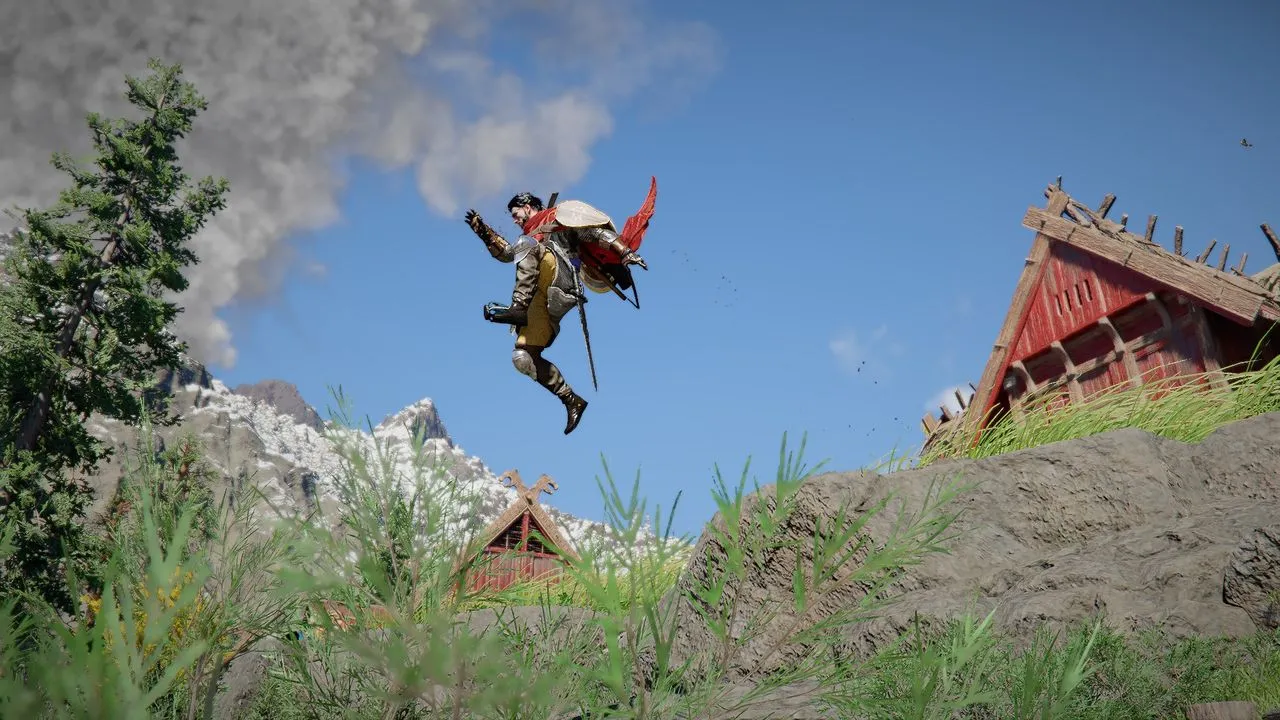
Pearl Abyss has released patch 1.14.00 for Crimson Desert, adding cross-save across PC, PS5, and Xbox Series X|S while also rolling out bug fixes. For decision-makers, the change tests how monetization and identity linking will work when players can seamlessly move between ecosystems.
Pearl Abyss has turned on cross-save in Crimson Desert with patch 1.14.00, letting players carry the same adventure progress between PC, PS5, and Xbox Series X|S. The immediate win is straightforward: if you own the game on both PC and PS5, you can now use the exact same save file on both platforms, instead of maintaining two separate runs.
To make that possible, the developer says you will need to link a Pearl Abyss ID to your accounts for the platforms you plan to play on. In the FAQ section on the official site, Pearl Abyss explains that you connect that ID to the relevant platform accounts (for example, to your PSN account), and then you can load the shared save. The catch is also spelled out: each Pearl Abyss ID gets one cross-save slot, though you can freely link and unlink accounts. Put differently, Pearl Abyss gives you continuity across devices, but not unlimited cross-save sprawl per identity.
Now, here is where the headlines stop being only “quality of life” and start touching the money. Pearl Abyss warns that “paid items” will only appear on the platforms where you bought them. The Deluxe Pack is the clearest example. If you purchase Deluxe cosmetics on one platform, Pearl Abyss says they “will appear disabled on platforms where they have not been purchased.” That means you can still load the save file and play normally on the other platform, but you cannot use those specific Deluxe items there unless you repurchase the disabled items separately.
For executives and strategy teams, this is the classic tension in cross-platform gaming: players want frictionless continuity, while publishers need to protect platform-specific monetization. Cross-save makes the game feel like one persistent universe, which reduces the natural “restart cost” that can otherwise drive repeat purchases. Disabling paid items on unbought platforms is Pearl Abyss’s way of preserving that revenue alignment, even while removing the progress barrier.
There is also a nuance in Pearl Abyss’s boundaries that is easy to misread. The update is only for people who own multiple copies of Crimson Desert. Pearl Abyss clarifies that you cannot start playing for free on Xbox just because you own the game on Steam. That matters because it frames what Pearl Abyss thinks cross-save is for: portability of ownership and identity, not free access across ecosystems.
From an operational standpoint, requiring a Pearl Abyss ID and linking platform accounts turns cross-save into an account-management problem as much as a tech feature. A single cross-save slot per Pearl Abyss ID implies they are limiting how broadly one identity can attach to multiple platform profiles at once, likely to prevent messy save ownership scenarios or unintended entitlements. The ability to freely link and unlink accounts also suggests Pearl Abyss wants to keep the feature usable as players swap consoles or accounts, without turning cross-save into a loophole.
Zoom out a bit, and you can see why this matters beyond one game. The market expectation for big open-world titles is shifting. Players increasingly treat gaming as multi-device by default, and publishers face pressure to match it with systems that follow users, not just hardware. Cross-save is one of the most visible ways to earn goodwill. But goodwill is not the same thing as margin. This update shows a publisher trying to balance both: shared progression for convenience, but paid content entitlements still tethered to where purchases were made.
For boards, investors, and leaders tracking consumer behavior, the strategic stakes are simple. Cross-save can increase engagement and reduce churn by letting players switch platforms without losing progress, but monetization design will determine whether that engagement translates into incremental revenue or just shifts existing purchases around. If you operate in games or adjacent subscription economies, this patch is a live case study in how to preserve platform-specific item licensing while still delivering the “one save across everything” experience players ask for.
If you are evaluating how updates like this will affect future planning, watch for the same pattern: identity linking and save portability improve the product’s stickiness, but entitlements remain the friction point. Pearl Abyss’s patch 1.14.00 makes that tension explicit by telling players exactly what works across platforms, what does not, and why: cross-save shares progress, while Deluxe cosmetics stay disabled unless purchased on that platform.
This story's Key Insights and Take-aways are locked.
Create a free account to unlock Executive Actions for one credit.
Register to UnlockAlways free for Executives Club members. Join the Club
More in Entertainment

12TB Steam 'teraleak' goes beyond Valve: GTA 3, Mafia 2 prototypes exposed
A 12-terabyte dump of Steam data reveals prototypes and builds of third-party classics like GTA 3 and Mafia 2, plus unreleased Valve content, rewriting game history.

LinkedIn's romance problem: 1 in 4 workers say dating on it is fair game
A new survey shows a quarter of U.S. employees treat the professional network as fair game for romance, even as LinkedIn bans it and removes hundreds of thousands of offending posts.

Enhypen's first No. 1 album breaks K-pop's Billboard 200 streak
The K-pop group's 98,000-unit debut tops the chart while Dolly Parton's catalog reentry shows how death reshapes streaming.