

Curry Barker lands an eight-figure horror deal with Universal and Blumhouse Atomic Monster
The Obsession director writes, directs, and produces his third Blumhouse Atomic Monster collaboration, with plot details still secret.
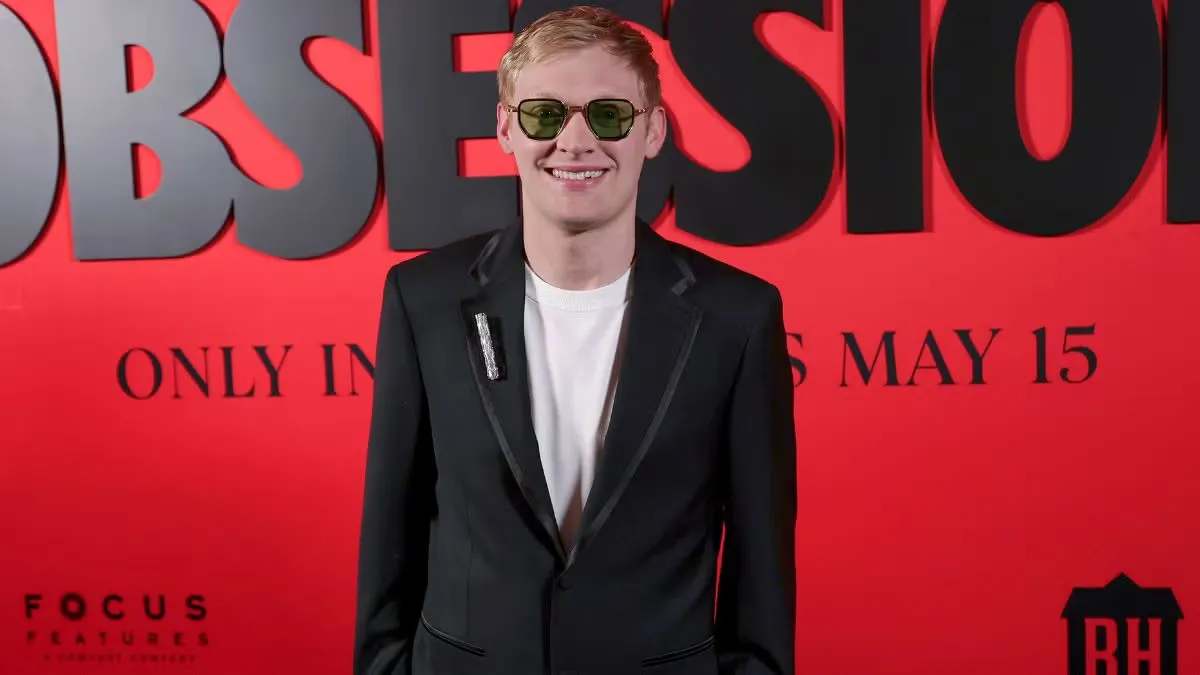
Curry Barker is set to write, direct, and produce a new original horror film for Universal Film Group and Blumhouse Atomic Monster. The studios confirm the project on Thursday after Barker, the “Obsession” director, landed an eight-figure deal and will team with Spooky Pictures and Divide/Conquer.
Curry Barker is taking his next step in horror with Universal Film Group and Blumhouse Atomic Monster, and the studios confirm it comes with an eight-figure deal. Announced Thursday, the agreement locks Barker into a rare three-fer with Blumhouse Atomic Monster: write, direct, and produce his third collaboration with the outfit. If you care about the modern studio strategy behind theatrical originals, this is the kind of move that signals where risk is being concentrated, where audiences are being targeted, and how quickly greenlights can move when a director has already “proven” the lane.
Barker, described as having achieved global box office success with his 2026 horror film “Obsession,” will pen a new, original horror movie for the partnership. While Universal and Blumhouse are keeping plot details under wraps, the project is said to be based on an original idea from a pitch Barker made. That matters because it suggests the deal is not just “director for hire.” It is a creator-centric bet that combines ownership of the concept with control over execution.
On the business side, this is NBCUniversal’s biggest lever for staying relevant in an era when audiences have endless choices and attention is currency. Universal Film Group and Blumhouse Atomic Monster are basically aligning around the same thesis: bold, original storytelling sells, but it sells best when the creative driver is someone who can translate cultural signals into genre product. In the statement to media, Barker frames the opportunity exactly that way. He says he is thrilled about reteaming with Blumhouse Atomic Monster and Universal Film Group, calling them a home “for bold, original storytelling that every filmmaker dreams of.”
Donna Langley, NBCUniversal Entertainment Chairman, adds a second layer that executives will recognize instantly: this is framed as a partnership worth continuing. Langley praised Barker’s “exceptional ability to tap into the cultural zeitgeist,” pairing an instinct for what resonates with audiences with what she calls “extraordinary filmmaking prowess.” For decision-makers, that language is not fluff. It is an explicit endorsement of the operating model: find directors who can read the room, then give them enough control and runway to ship.
The film’s production package also gives a peek into how these deals get assembled. The unnamed project is produced by Roy Lee and Steven Schneider’s Spooky Pictures, along with Adam Hendricks and Greg Gilreath’s Divide/Conquer. These are the kinds of names that tend to show up in genre projects because they can build, finance, and package in ways that keep the pipeline moving. When studios pay eight-figure commitments, they are not only funding a script. They are buying momentum, risk management, and production infrastructure that can handle schedules, marketing rollouts, and distribution execution once the creative is locked.
And yes, there is a regulatory and compliance backdrop, even when no regulators are mentioned in the announcement. Film deals like this, especially ones involving major studio entities, require standard legal processes around rights, approvals, and governance. For example, the use of existing IP is always tightly reviewed, while this project is said to be based on Barker’s original pitch idea, which typically simplifies certain rights questions compared to adapting pre-existing material. Still, the industry standard remains: contracts define ownership of the underlying idea, the scope of creative control, and how marketing and distribution obligations are enforced across studio and producer roles.
The plot being under wraps is also strategic. Horror is a category where brand trust is built through tone and execution, but marketing still needs a hook that can land quickly in trailers and festival early buzz. By keeping details sealed while announcing the creative and financial commitment, Universal and Blumhouse Atomic Monster are effectively saying: the bet is on Barker’s track record and the partnership itself, not on plot-specific hype yet. For peers watching, the second-order implication is clear. When studios believe the director is the variable that predicts performance, they can move before the world knows what the monster actually is.
Strategically, this announcement is a reminder that the “original horror” pipeline is becoming more structured, not less. If Barker delivers again, it reinforces a repeatable play: an elevated director relationship, a known genre engine, and a producer lineup built for scalable production. If he misses, the eight-figure price tag becomes a caution sign. Either way, boards and exec teams should treat this as a signal about where Universal and Blumhouse Atomic Monster are willing to concentrate capital: on creative control, proven audience resonance, and director-led originality.
For decision-makers across media and entertainment, the takeaways are practical. The market keeps rewarding identifiable creative voices, and studio strategy increasingly looks like talent partnerships packaged as production systems. Barker’s next move is not just another horror title. It is a spotlight on how major players are structuring the next wave of theatrical originals, and how fast they will pay for the chance to capture cultural attention before competitors do.
This story's Key Insights and Take-aways are locked.
Create a free account to unlock Executive Actions for one credit.
Register to UnlockAlways free for Executives Club members. Join the Club
More in Business

A flaw in PHP just forced governments to pull their own sites offline
European agencies from Belgium to Germany took websites dark to patch a critical weakness in the language behind almost 70% of the web, and the blast radius extends far beyond government portals.

BioWare shuts down, Mass Effect 5 dead after $55B EA buyout
The legendary RPG studio's closure lands months after a $55 billion investment group buyout of EA, raising tough questions for gaming's biggest acquirers.
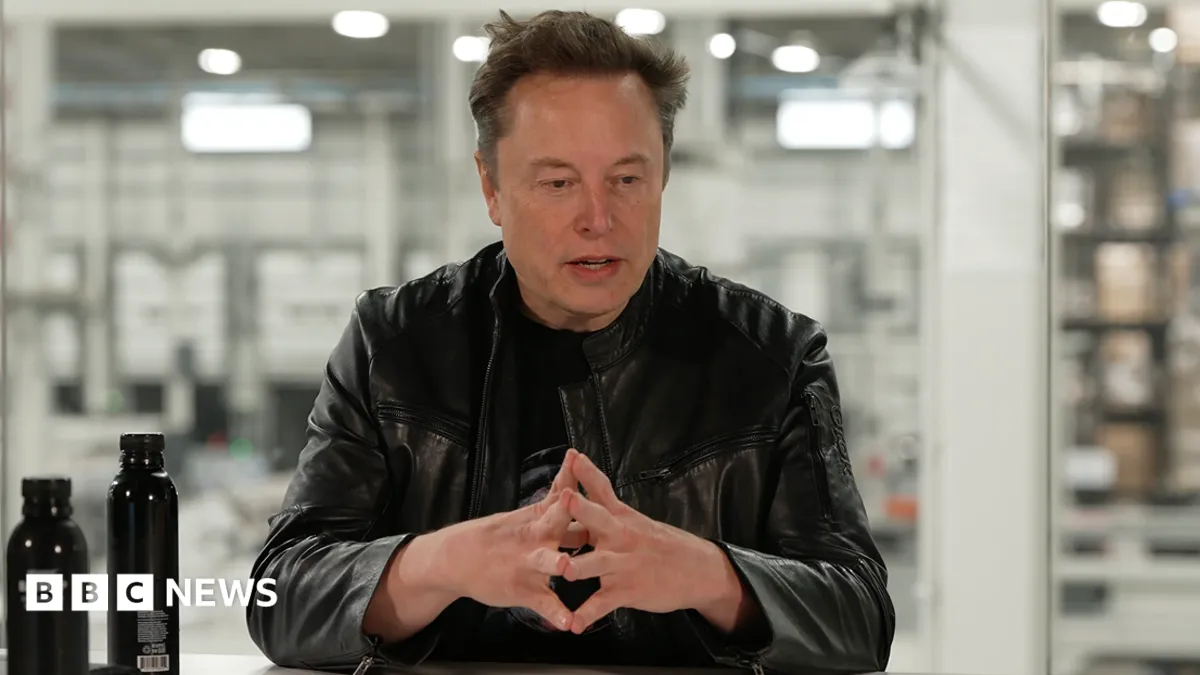
Musk weighs Tesla-SpaceX mega-merger as boards form review panels
Special committees at both companies will examine a tie-up that could fuse electric vehicles and space launch, forcing a fresh look at governance and valuation.