
Dana White says UFC-Colosseum Elon vs Zuckerberg talks were real, $150M price tag
White puts a dollar figure on the Rome fight concept, and it reframes how insanely hard mega-stadium deals pencil out.
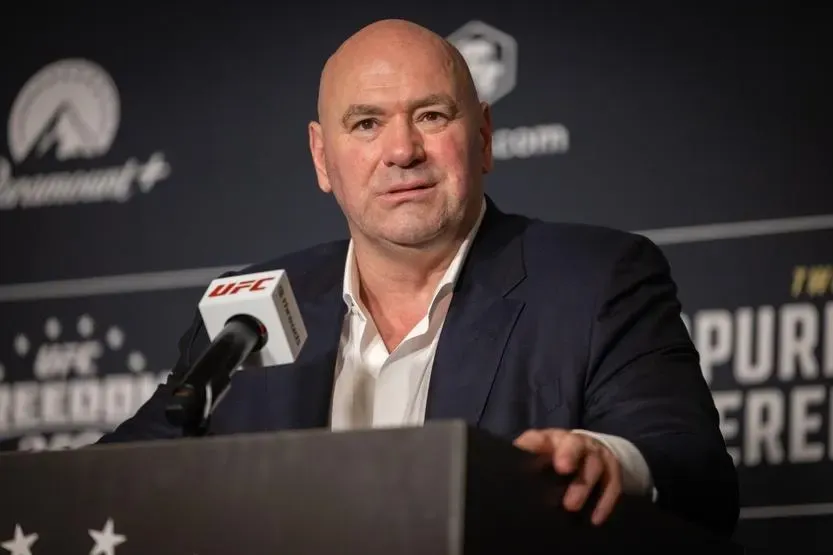
UFC CEO Dana White said proposed fight talks involving Elon Musk and Mark Zuckerberg for a bout at Rome's Colosseum were real. He estimated the concept would have cost $150 million, raising the bar for what organizers need to make the money work.
UFC CEO Dana White is treating the Elon Musk versus Mark Zuckerberg fight rumor like something that actually happened, at least at the “serious enough to talk” stage. White said the fight talks were “real,” and he tied the whole idea to a jaw-dropping estimated cost: $150 million for a proposed bout at Rome's Colosseum.
That $150 million figure is the part decision-makers should stare at. A Rome Colosseum setting is pure spectacle, but White is basically saying the spectacle would come with a blockbuster bill. In other words, this was not a casual pitch you could wave away with “branding.” It was a full-scale production and logistics undertaking, priced like one.
Why does that matter beyond UFC fandom? Because entertainment deals are increasingly judged like deals, not dreams. The moment high-profile tech executives enter the conversation, it stops being only a sporting event and starts becoming a cross-industry risk allocation problem: liability, security, regulatory permissions, venue constraints, and the operational load of hosting major celebrities in an environment with major historical and public-interest considerations.
Even without turning this into a legal brief, the incentives are straightforward. Dana White, as CEO of UFC, has strong incentives to generate attention and to validate the UFC brand as “big event, big stage.” But attention does not pay the bills by itself. When White references an estimated $150 million cost for a Rome Colosseum fight concept, he's also implicitly acknowledging the math you have to solve: ticketing revenue, sponsorship partnerships, media rights, and any upstream investment or revenue guarantees. Mega-stadium moments can print press. They can also blow up budgets if revenue assumptions are off or if friction in execution rises faster than monetization.
There is also a reputational layer for the UFC. When the rumor mill connects Musk and Zuckerberg to a UFC event, the story becomes a referendum on whether the UFC can translate internet-scale attention into real-world execution. The “talks were real” framing suggests there was enough seriousness to explore the possibility, which is exactly the kind of credibility cue that executives track. In business terms, it's a signal that the UFC is not just selling fights, it is negotiating in environments where nothing is cheap and nothing is simple.
Now put it into the regulatory and venue context. Rome's Colosseum is not a typical arena. It is a protected, internationally recognized landmark. Large events at iconic locations are rarely just “book the venue, set up the ring.” They require coordination across government stakeholders, crowd management, event-day compliance, and conservation-minded constraints. That doesn't mean a fight cannot be staged. It does mean the cost structure is different, and it helps explain why White's estimate lands in the $150 million range rather than a more ordinary fight-event budget.
For executives at sports, media, and platforms, the second-order takeaway is uncomfortable but useful: if a concept with global headline power still pencils to $150 million, then every comparable “once-in-a-lifetime” event needs a disciplined sponsor and media package, not just viral appeal. Board members and CFOs should hear White's quote and recognize a common pattern. The biggest bets in entertainment often fail not because the concept is boring, but because the economics and operational risk are more expensive than the audience expects.
And for companies considering collaborations with major tech personalities, White's point also functions like a reality check. When celebrity-driven events enter regulated public spaces, the transaction cost climbs. The risk is not only legal. It's also operational and reputational, because missteps can cascade quickly in public-facing, high-scrutiny settings.
So the strategic stake here is simple: White says the Elon Musk-Mark Zuckerberg fight talks were real, and he estimates the Rome Colosseum cost at $150 million. That combination tells executives that mega-platform attention is not the main constraint. Cost, permissions, and execution complexity are. If you are running an event business, building partnerships with high-profile figures, or evaluating whether to turn a headline into a real product, this is the reminder that the first draft of the idea is the cheapest part. The real work is the $150 million work.
This story's Key Insights and Take-aways are locked.
Create a free account to unlock Executive Actions for one credit.
Register to UnlockAlways free for Executives Club members. Join the Club
More in Business

A flaw in PHP just forced governments to pull their own sites offline
European agencies from Belgium to Germany took websites dark to patch a critical weakness in the language behind almost 70% of the web, and the blast radius extends far beyond government portals.

BioWare shuts down, Mass Effect 5 dead after $55B EA buyout
The legendary RPG studio's closure lands months after a $55 billion investment group buyout of EA, raising tough questions for gaming's biggest acquirers.
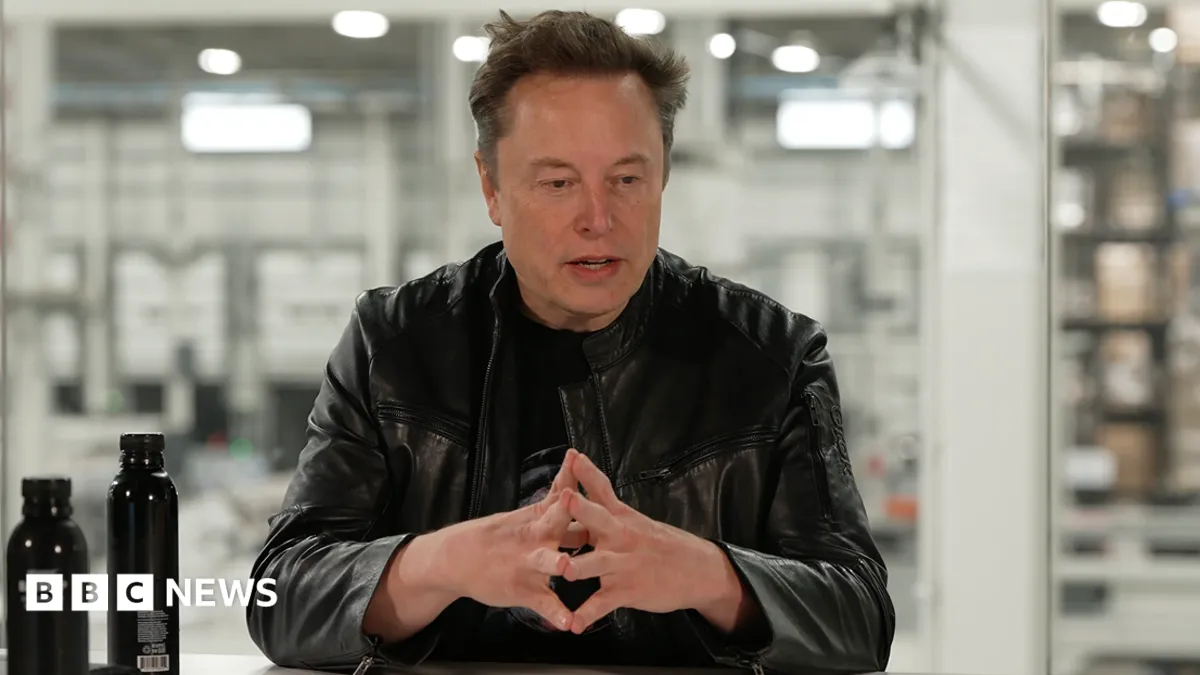
Musk weighs Tesla-SpaceX mega-merger as boards form review panels
Special committees at both companies will examine a tie-up that could fuse electric vehicles and space launch, forcing a fresh look at governance and valuation.