
Danny Glover says he has Alzheimer’s, sharing diagnosis on NBC’s Today
The actor’s public update raises questions for media, caregivers, and boards about health disclosure, support, and risk.
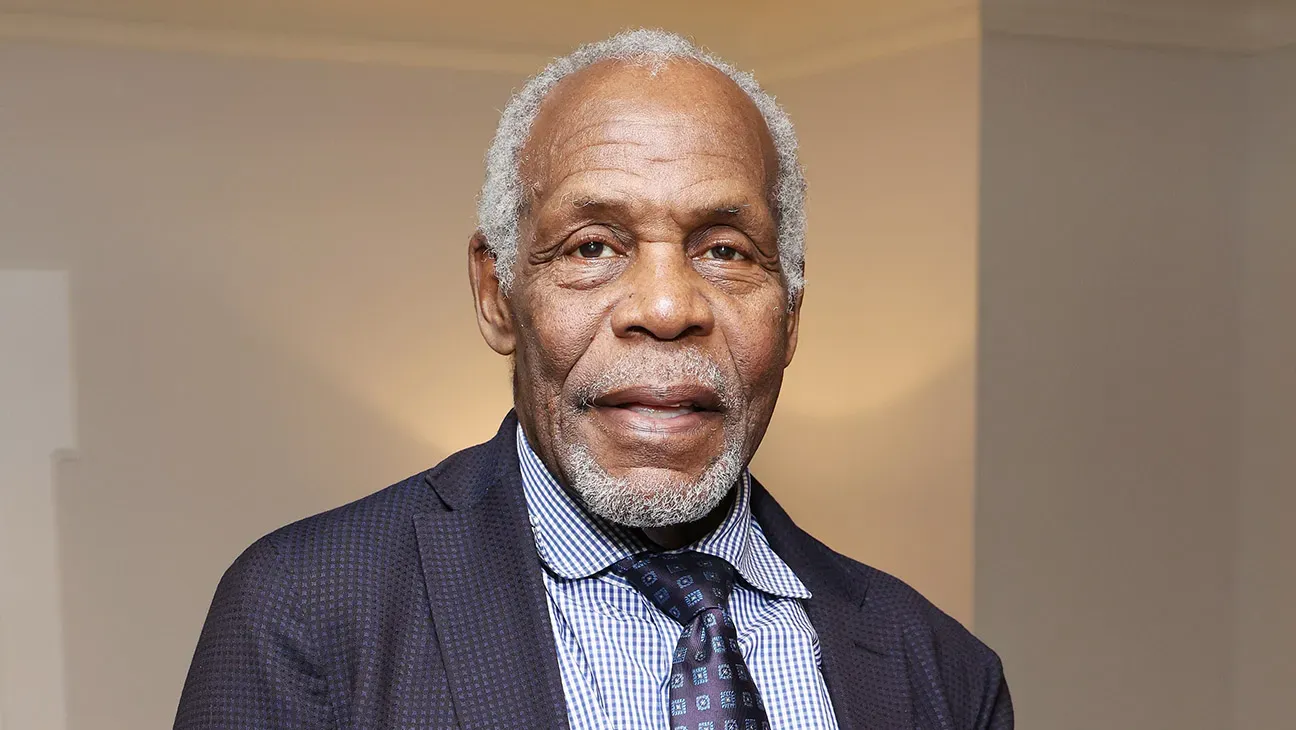
Danny Glover, known for Lethal Weapon and The Color Purple, revealed his Alzheimer’s diagnosis during an interview on NBC’s Today. The disclosure matters to decision-makers managing reputational risk, audience trust, and healthcare and accessibility priorities in public-facing businesses.
Danny Glover, the actor behind Lethal Weapon and The Color Purple, revealed that he has Alzheimer’s during an interview on NBC’s Today. In other words, this is not a quiet footnote or a private family matter. It is a mainstream, time-bounded health disclosure made in front of a national audience.
That timing is the first strategic tell. Today is a morning news show built for repeat exposure and broad demographics, not a niche outlet. When a figure with Glover’s recognition chooses that platform to share a diagnosis, the message is automatically larger than one actor’s personal update. It becomes part of the cultural and informational stream millions see in real time. For executives across media, entertainment, and any brand that relies on public trust, that instantly changes the stakes around how people talk about health, how audiences interpret it, and how companies respond.
So what does an Alzheimer’s announcement actually change in the business world? Quite a bit, mostly in subtle second-order ways. First, it shifts expectations for communications clarity. Alzheimer’s is a progressive condition, and public audiences often look for guidance on what will happen next: work schedules, appearances, interviews, and the cadence of public-facing duties. Even when there is no “policy” governing a specific personal diagnosis, decision-makers still face operational questions. For example, talent teams and producers typically plan around filming availability, promotional obligations, and travel. A diagnosis disclosed in an interview can accelerate internal planning, because uncertainty that used to sit in private now sits in public.
Second, the disclosure affects how other public figures are likely to be perceived. When a major star like Glover shares an Alzheimer’s diagnosis on a mainstream show, it normalizes disclosure for some audiences and raises the sensitivity of the topic for others. That can influence press cycles and editorial choices across the industry. For media executives, it also pressures content teams to cover related topics with accuracy and care rather than treating it as a one-day sensation.
Third, there is the caregiver and accessibility angle, which intersects with policy and product decisions even outside Hollywood. Alzheimer’s and dementia awareness can drive funding, advocacy, and the demand for practical resources such as caregiver support and accessible healthcare information. When a widely recognized celebrity puts a health condition on the national stage, organizations often experience heightened attention. Boards and leadership teams that sponsor public initiatives, run health-related partnerships, or manage corporate giving may find themselves fielding more requests for involvement and clarity.
Now zoom out to the communications mechanics. In the source, the key fact is straightforward: Glover made the announcement during a Today show interview. That is important because it signals the channel and the intent. It was not buried in a press release, and it was not limited to a small audience. For brands and institutions, it is a reminder that mainstream media platforms create an “information gravity” effect. Once that gravity kicks in, silence can be interpreted. So can speculation. The best response for executives is usually operational, not reactive: align internal planning with a consistent public posture, keep responses sensitive, and avoid turning diagnosis into entertainment.
This is also a moment that exposes a broader governance theme: how organizations manage personal disclosures that can affect public timelines. Companies in entertainment, publishing, and broadcasting often build campaigns and schedules around appearances. Talent relations leaders and executives typically coordinate with production calendars, distribution windows, and promotional commitments. A diagnosis disclosed publicly does not automatically trigger any legal framework in the way a regulated financial event would. But it does create reputational and operational risk, because the industry runs on expectations. Audiences expect continuity until they do not. Then they look for explanation and empathy.
For peers in leadership roles, the strategic stake is simple: you need to be ready when personal health news becomes public. Danny Glover’s Alzheimer’s diagnosis, revealed on Today, is not a corporate event, but it is still a governance event in how it ripples through planning, messaging, and public trust. Executives who understand that distinction can respond with steadiness: prepare operational contingencies, coordinate spokesperson guidance, and support the broader informational needs that come with raising awareness.
This story's Key Insights and Take-aways are locked.
Create a free account to unlock Executive Actions for one credit.
Register to UnlockAlways free for Executives Club members. Join the Club
More in Entertainment

Russell Brand's accuser 'bewildered and confused' as he denies 7 sex charges
The criminal case against the comedian is a live test of how media companies manage talent risk when serious allegations go public.

'It's a Magic Trick': Ballet Experts Say Rosalía's SNL Pose Is Impossible
Three ballet experts tell Rolling Stone Rosalía's gravity-defying SNL stillness shouldn't be possible - and why the debate is now part of the show.

Activision CMO: GTA 6 Will Boost Call of Duty, Not Bury It
Activision's top marketer says Rockstar's blockbuster will drive players back to consoles and into Modern Warfare 4, even as the company admits its recent strategy failed.