
Prime Video’s ‘Elle’ prequel hunts for a new Elle, after nearly 5,000 tapes
Hello Sunshine and co-showrunners Laura Kittrell and Caroline Dries build a YA prequel that still has to satisfy Legally Blonde fans.
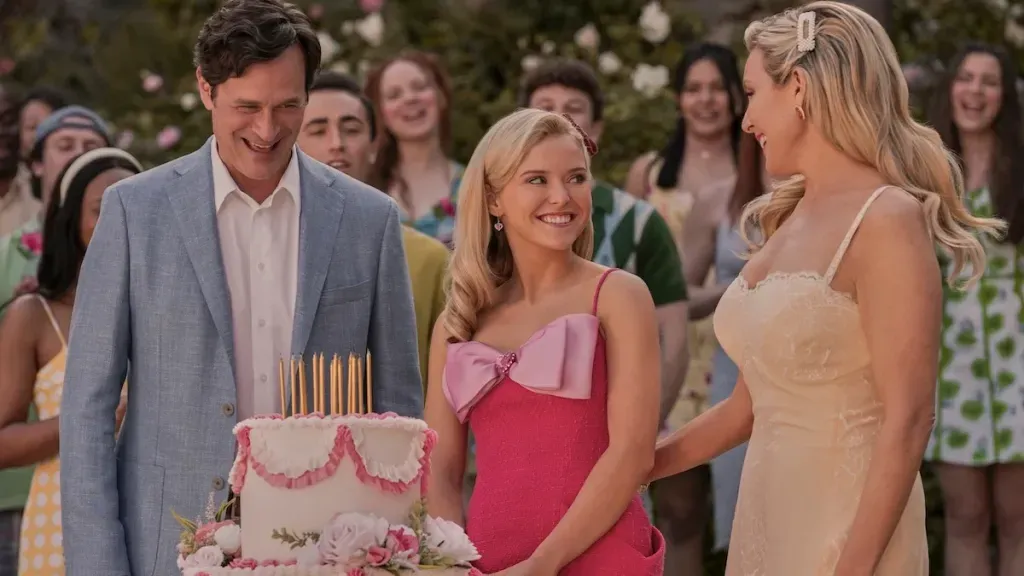
Prime Video and Hello Sunshine are rolling out the ‘Elle’ prequel, debuting Wednesday, with Lexi Minetree starring as Elle Woods in high school. The casting process, tone decisions, and YA positioning offer a real blueprint for how legacy brands can expand without alienating core audiences.
On Wednesday, “Elle,” Prime Video’s prequel series to “Legally Blonde,” debuts with Lexi Minetree as Elle Woods heading to high school. And the path to that casting choice is unusually specific: co-showrunner Laura Kittrell and the team reviewed close to 5,000 tapes before Minetree’s audition “stood out right away,” after casting director David Rubin told them to pay special attention to hers.
That audition mattered because Moore was looking for more than a look-alike. Director Jason Moore said Minetree’s shot-for-shot recreation of Elle Woods’ Harvard application video from “Legally Blonde” impressed him both from a filmmaking perspective and because she embodied Elle’s optimism. The key is that Moore framed it as believable, not parody: he said it could have been cringe “in some other ways,” but they believed her because Lexi possessed “a sense of optimism and hope,” and then the co-showrunners confirmed her ability to handle “really tricky” sides with mouthfuls of dialogue every single day.
If you’re an exec watching brand expansions, there are two immediate signals here. First, Prime Video is intentionally treating “Elle” like a YA show, not a nostalgia museum. Hello Sunshine president of film and TV Lauren Neustadter explained that the team wanted to embrace YA because it gives them a chance to connect with “the next generation of young women” amid what she described as “negative messaging” on social media. Her line to TheWrap was direct about why the franchise exists in this moment: “There was a real opportunity to bring Elle Woods to this next generation and remind them” of messages like “Be yourself, believe in yourself, you're capable of anything, don't sell yourself short.”
Second, the creative workflow shows how Hello Sunshine and Amazon manage the tension between faithful and fresh. After “Legally Blonde” sequels followed Elle through her legal career after law school, Witherspoon had the idea for a prequel series focusing on Elle in high school. Neustadter said they “paid close attention to laddering up toward the movie,” meaning they built the story backward from who Elle becomes in the original film, so the prequel doesn’t feel like a reboot of the character. That’s why the setting is not another version of Bel-Air. The show moves Elle to 1995 Seattle when her father’s career move (Tom Everett Scott) uproots the family, forcing Elle to confront grunge attitudes and “cynical mindsets from her rose-colored glasses.” The “fish out of water” framework is explicit in the story rationale: Kittrell said if they just placed Elle in another glamorous environment it would risk feeling like “Clueless,” which already exists. Instead, the premise is built around struggle and transformation, with Neustadter and Kittrell describing Elle as confident but not always so, and emphasizing the need to “peel back the layers.”
Prime Video’s directive is the other lever executives should notice. Alongside the green light came a requirement for “Elle” to fit in with Prime Video’s other hourlong YA series. To address that, Hello Sunshine brought in Caroline Dries, co-showrunner alongside Kittrell. Neustadter said the decision was about “real expertise and experience in YA drama” because they were making an hourlong show. Dries pushed back on an easy narrative that comedy and teen drama can be separated into different “lanes.” She said both writers can handle both, and “our partnership flourish[ed].” In practice, that shows up in their tonal balancing act: they aimed to keep the franchise’s comedic tone while adding teen-drama “flare,” including mother-daughter conflict between Elle and her mom (June Diane Raphael), frenemies, and a love triangle.
Tone becomes a production discipline when directors share a principle. Jason Moore, who signed on after they found the “right actress,” described Elle’s world as “magical heightened,” with costuming, speech, and a “flare” that fills the room with optimism. But he also anchored the performance in grounding to prevent caricature. He specifically said Minetree had a grounded emotional side that “makes the show tick,” and he added a fan-facing test: he expected viewers to see “Elle Woods is in a t-shirt at home, watching ‘Days of Our Lives’ under the covers.” That’s a useful insight for executives: the show’s bet is not that it will recreate every beat from the film. It’s that it will translate the character’s emotional core into new circumstances.
The team also designed for intergenerational trust. Moore noted they brought in a vocal coach from his Broadway days to help hone Elle’s vocal intonations to match Witherspoon’s from the original movie. And while the show includes Easter eggs throughout the season, both Moore and Kittrell emphasized that those are not empty fan service. Moore framed it as a win-over strategy with restraint: “you're basically trying to win them over with the same character that won people over before… you're trying to make it feel like it's on its own terms.” Kittrell and Moore also connected the past-tense setting to audience comfort. Putting the story in an earlier era gives viewers a “bridge” because the audience is “less familiar with” that version of Elle’s world and therefore more willing to “go on the ride.”
Finally, the business momentum matters. “Elle” was renewed for Season 2 in January, and filming wrapped before the Wednesday premiere. That is not just a content update. It signals that the creative strategy, including the YA integration and the casting standard, is being treated as an investment thesis, not a one-off experiment. For executives and board members, the second-order implication is clear: legacy franchises can expand faster when the audience-facing choices are measurable in production terms. Here, that looks like a huge casting pipeline (close to 5,000 tapes), tight character “laddering” from original-film Elle, and explicit network-level requirements for genre fit.
Put simply, “Elle” is trying to do two hard things at once: deliver a recognizable Elle Woods and make her feel like she belongs to 16-year-olds and people who were “recently 16 and still traumatized by it.” If Prime Video pulls it off, it becomes a repeatable model for how streamers can grow YA slates with brand gravity, without building a costume drama for adults who already know the ending.
This story's Key Insights and Take-aways are locked.
Create a free account to unlock Executive Actions for one credit.
Register to UnlockAlways free for Executives Club members. Join the Club
More in Entertainment

Russell Brand's accuser 'bewildered and confused' as he denies 7 sex charges
The criminal case against the comedian is a live test of how media companies manage talent risk when serious allegations go public.

'It's a Magic Trick': Ballet Experts Say Rosalía's SNL Pose Is Impossible
Three ballet experts tell Rolling Stone Rosalía's gravity-defying SNL stillness shouldn't be possible - and why the debate is now part of the show.

Activision CMO: GTA 6 Will Boost Call of Duty, Not Bury It
Activision's top marketer says Rockstar's blockbuster will drive players back to consoles and into Modern Warfare 4, even as the company admits its recent strategy failed.