
Danny McBride will direct Paramount's next G.I. Joe movie, debuting as a feature director
The studio locks in a writer-turned-director for a Hasbro franchise sequel, but the plot stays classified for now.
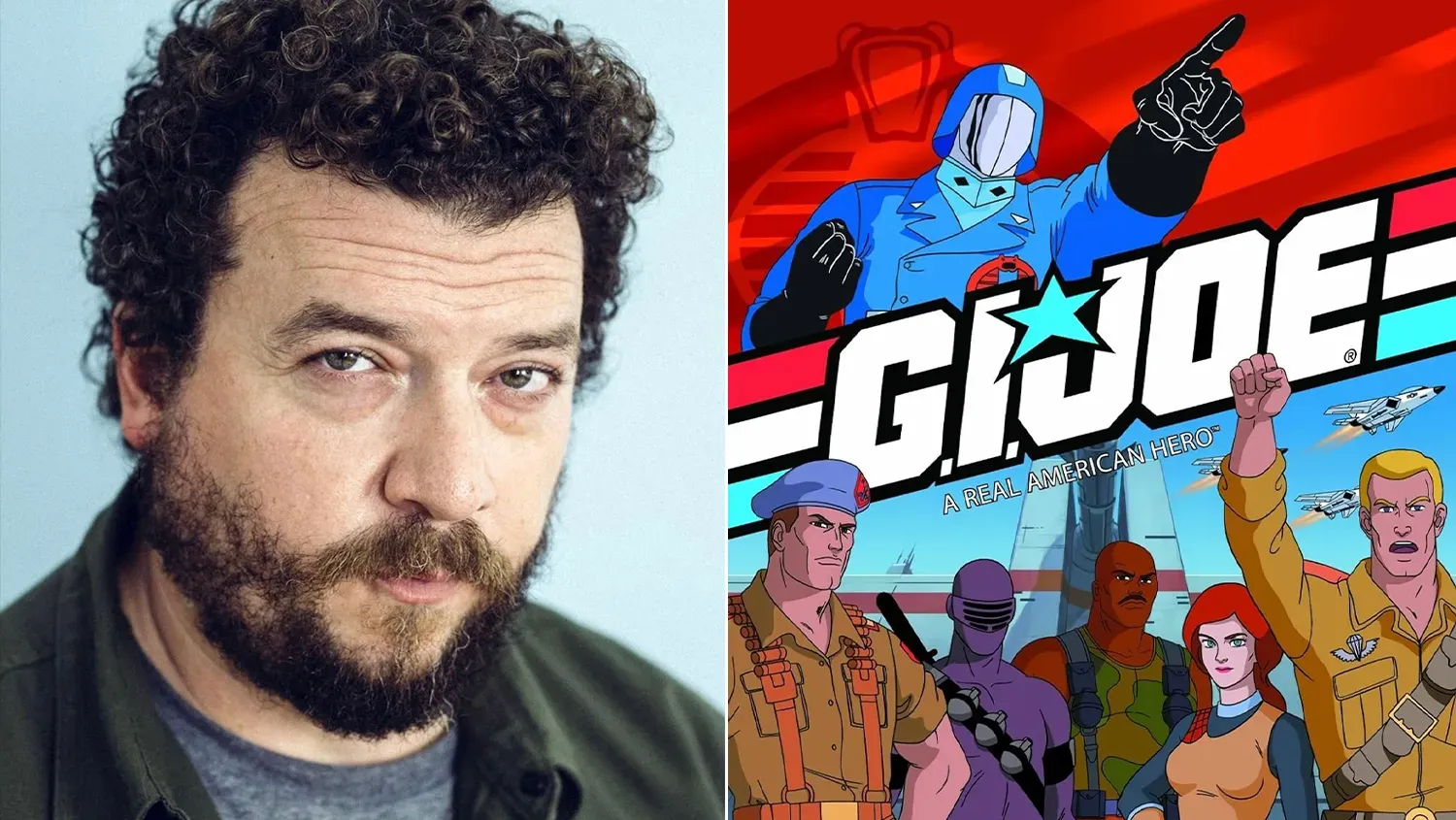
Deadline reports Danny McBride is tapped by Paramount to write the next G.I. Joe movie and will now also make his directorial debut on a new feature film in the classic Hasbro toy franchise. For decision-makers, this is a talent-risk bet plus a franchise-stakes sprint, with creative and scheduling momentum now competing with uncertainty.
Danny McBride is no longer just writing Paramounts next G.I. Joe movie. Deadline reports he is set to make his directorial debut on a new feature film tied to the classic Hasbro toy franchise. The big detail: while Paramount has him positioned to lead the project creatively from the directors chair, plot details are being kept under wraps for now. Sources cited by Deadline say the project is a high priority at the studio.
That combination matters because it is not the typical “we will see later” arrangement. McBride is moving from pen to helm quickly, and the studio is signaling commitment by attaching a comedian-writer to a franchise that carries both brand expectations and financial pressure. For executives, “under wraps” can be normal in early development, but it also means the first visible constraint on this project is not story, it is alignment. Paramount has to get on the same page with the director, the franchise stakeholders around the Hasbro property, and anyone who needs to underwrite the risk that a debut director can translate a specific tone into a globally legible action-movie product.
This is a franchise business reality check disguised as entertainment news. G.I. Joe is built on years of existing audience memory, recognizable characters, and a toy-driven mythos. Even when studios chase freshness, they cannot fully escape the anchor points that make the franchise bankable. McBride directing, rather than only writing, raises a key operational question: will the project benefit from his voice, or will the production need to backstop his debut with extra creative infrastructure? In plain English, executives should expect that more “how do we execute this?” meetings will replace “what is the concept?” meetings, because directing is where translation from page to set can either accelerate momentum or create schedule drag.
The Deadline report also frames this as a studio priority. When a studio calls a project high priority, it usually means internal resource attention, expedited greenlight milestones, and a willingness to make tradeoffs elsewhere. That matters to decision-makers because talent attachment is often the easiest step to take and the hardest to sustain. Writer-to-director transitions can look clean on paper, but productions still require hiring networks, production design leadership, stunt and action pipelines, and a post-production plan that matches the desired audience experience. In other words, the project may be treated as important now, but the real test shows up after the announcement, when budgets, timelines, and stakeholder reviews move from concept to execution.
The Hasbro angle adds another layer of franchise governance. Toy brands are not just IP libraries. They are built into merchandising logic, licensing relationships, and sometimes broader brand strategy that has to remain coherent across media. When a studio develops a new feature tied to a Hasbro franchise, the incentives tend to be tightly interlocked: the studio wants box office potential and marketing lift; the brand owner and license holders want consistency and protection of the property’s core identity. Plot being kept under wraps, while not unusual, suggests stakeholders are likely still negotiating what the story must accomplish for both entertainment and brand positioning.
There is also the talent-risk management piece that boards and investors think about, even when they do not say it out loud. McBride has already demonstrated screenwriting and performing impact, which is exactly why the leap to directing can be attractive. But debut directing can be a different skill set: it changes the job from crafting scenes to orchestrating the entire production system, including how the film behaves under time pressure. Executives reading this should see a classic second-order effect: if the studio believes the project is high priority and is giving McBride room to direct, they may also be quietly investing in a production support structure that reduces the probability of costly missteps.
For peers in studio development, this is a signal worth noting: franchise film pipelines are still moving, and studios are still willing to gamble creatively, not just recycle established formulas. If Paramount is comfortable backing a writer for a director debut on a major Hasbro property, other studios may feel pressure to keep pace by attaching creators earlier and expanding their creative roles. The strategic stakes are simple: delay or misalignment can kill franchise momentum; early clarity and strong production leadership can turn “under wraps” into a later-stage launch advantage. In this case, the only thing truly confirmed right now is the talent move and the fact that the project is high priority. Everything else, including plot specifics, is still waiting behind the curtain.
The good news for executives is that announcements like this can surface internal confidence quickly: talent is attached, the studio is signaling priority, and a recognizable franchise is positioned for a next chapter. The risk is that the industry standard for franchise success is ruthless, and debut directing is one of the more complex bets to underwrite. If the film lands, this could validate a broader writer-to-director model for franchise filmmaking. If it stumbles, it becomes a cautionary tale about how “high priority” can still collide with execution reality when plot details are not ready and the set has to make the script come alive.
This story's Key Insights and Take-aways are locked.
Create a free account to unlock Executive Actions for one credit.
Register to UnlockAlways free for Executives Club members. Join the Club
More in Entertainment
12TB Steam 'teraleak' goes beyond Valve: GTA 3, Mafia 2 prototypes exposed
A 12-terabyte dump of Steam data reveals prototypes and builds of third-party classics like GTA 3 and Mafia 2, plus unreleased Valve content, rewriting game history.

LinkedIn's romance problem: 1 in 4 workers say dating on it is fair game
A new survey shows a quarter of U.S. employees treat the professional network as fair game for romance, even as LinkedIn bans it and removes hundreds of thousands of offending posts.

Enhypen's first No. 1 album breaks K-pop's Billboard 200 streak
The K-pop group's 98,000-unit debut tops the chart while Dolly Parton's catalog reentry shows how death reshapes streaming.