
dbrand cancels Steam Machine Companion Cube wrap after Valve IP use without permission
The company says it will not ship a Steam Machine wrap, despite announcing it and delaying pre-orders until June 22.
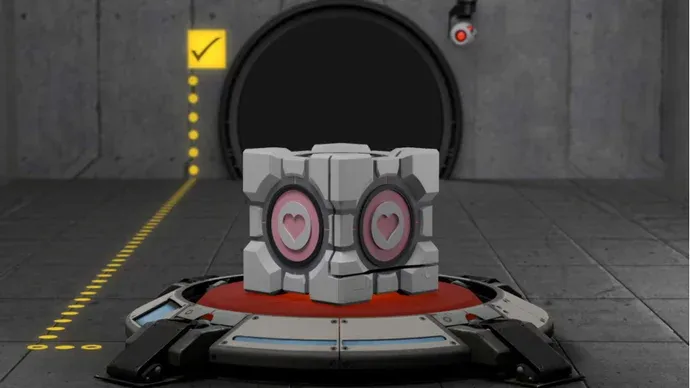
dbrand, the company behind device cases and vinyl wraps, will not be shipping its announced Companion Cube wrap for the Steam Machine. The cancellation follows its use of Valve intellectual property in concept art shared after the Steam Machine reveal in November, with pre-orders only going live on June 22.
dbrand will not be shipping the Companion Cube wrap it announced for the Steam Machine, after concept art tied to Valve intellectual property circulated without asking first. The key operational detail is simple but consequential: Valve's IP was used to build a product concept, the idea was shown publicly, and only later did pre-orders actually go live on June 22. In other words, the company moved through the hype cycle before the permission cycle.
Eurogamer reports that dbrand initially shared concept art for the Companion Cube wrap shortly after the Steam Machine unveiling in November last year. Pre-orders did not actually go live until 22nd June, even though the project had already been publicly visible long before that. The gap between public momentum and commercial rollout is now the story, because dbrand has ended up not shipping the wrap at all.
For executives, this is the kind of failure mode that looks avoidable in hindsight and expensive in practice. IP issues typically get treated like a legal checklist item. But they behave more like a launch dependency. If you are producing a physical goods line, packaging, and marketing materials that reference another company’s characters or branded assets, you are not just “using inspiration.” You are building a product pipeline on someone else’s rights. If those rights are not licensed, the pipeline can freeze at any moment, and the longer you run it, the more you pay to unwind it.
The Steam Machine itself provides context for why this mattered. When Valve unveiled its Steam Machine, it sparked intense interest across PC gaming hardware and modding culture, where fans often look for ways to personalize setups. dbrand is known for turning personalization into a product category, selling phone cases and vinyl wraps for electronic devices. That business model works best when the customer wants customization quickly and at scale. It also tends to invite IP-adjacent concepts, because gaming brands come with instantly recognizable visuals. The Companion Cube is one of those visuals. It is also exactly the kind of asset that rights holders tend to protect tightly.
There is also a commercialization lesson embedded in the timeline. Concept art was shared after the November unveiling, but the pre-order window opened much later on June 22. That delay suggests dbrand was still preparing to sell or fulfill something, likely after the initial public reaction. But pre-orders are not just a marketing step. They create an expectation in the customer base. They can also create operational pressure, because inventory planning, customer communications, and production schedules start aligning to a date. When the final decision is to take the product down, the company is not just stopping an idea, it is reversing commitments that have been put in motion.
From a regulatory or legal framing perspective, nothing in the reporting changes how these disputes are typically handled: rights holders can require removal, prohibit sales, or demand licensing, and companies that rely on another party’s IP without clearance risk an injunction or takedown. Even if the issue starts with a request or notice rather than a courtroom filing, the business effect is the same. Platforms and sales channels can move quickly once compliance pressure arrives. That is why the strategic question for boards is not whether the company “could” have shipped, but whether it had the right controls in place before customers and preorder systems were involved.
Second-order implications are especially relevant for companies in consumer tech accessories. dbrand’s brand is built on speed, design polish, and a sense that it understands the device-as-identity market. But the same traits can amplify risk if the company treats IP clearance as an afterthought. Competitors may see this and tighten their approvals. Retailers and fulfillment partners may ask more questions earlier. Meanwhile, the audience might also adjust behavior, rewarding companies that communicate licensing and brand usage transparently, and punishing those that bet on vague permission.
Strategically, the takeaway for peers is that timing is part of the liability. Public concept art launched in the wake of a major hardware reveal, then pre-orders opened on June 22, and the product still ends up not shipping. That sequence is a warning label for product teams: if the rights are not secured, your timeline is not yours. Even high momentum from fan-facing brands can turn into a takedown moment, and once that happens, the only winners are companies that engineered clearance into the launch plan from day one.
This story's Key Insights and Take-aways are locked.
Create a free account to unlock Executive Actions for one credit.
Register to UnlockAlways free for Executives Club members. Join the Club
More in Entertainment

Russell Brand's accuser 'bewildered and confused' as he denies 7 sex charges
The criminal case against the comedian is a live test of how media companies manage talent risk when serious allegations go public.

'It's a Magic Trick': Ballet Experts Say Rosalía's SNL Pose Is Impossible
Three ballet experts tell Rolling Stone Rosalía's gravity-defying SNL stillness shouldn't be possible - and why the debate is now part of the show.

Activision CMO: GTA 6 Will Boost Call of Duty, Not Bury It
Activision's top marketer says Rockstar's blockbuster will drive players back to consoles and into Modern Warfare 4, even as the company admits its recent strategy failed.