

Wardogs CEO Joe Brammer says “cash is the best anticheat”
Bulkhead’s chief explains why paying out smartly can expose abnormal behavior in Wardogs’ anti-cheat strategy.
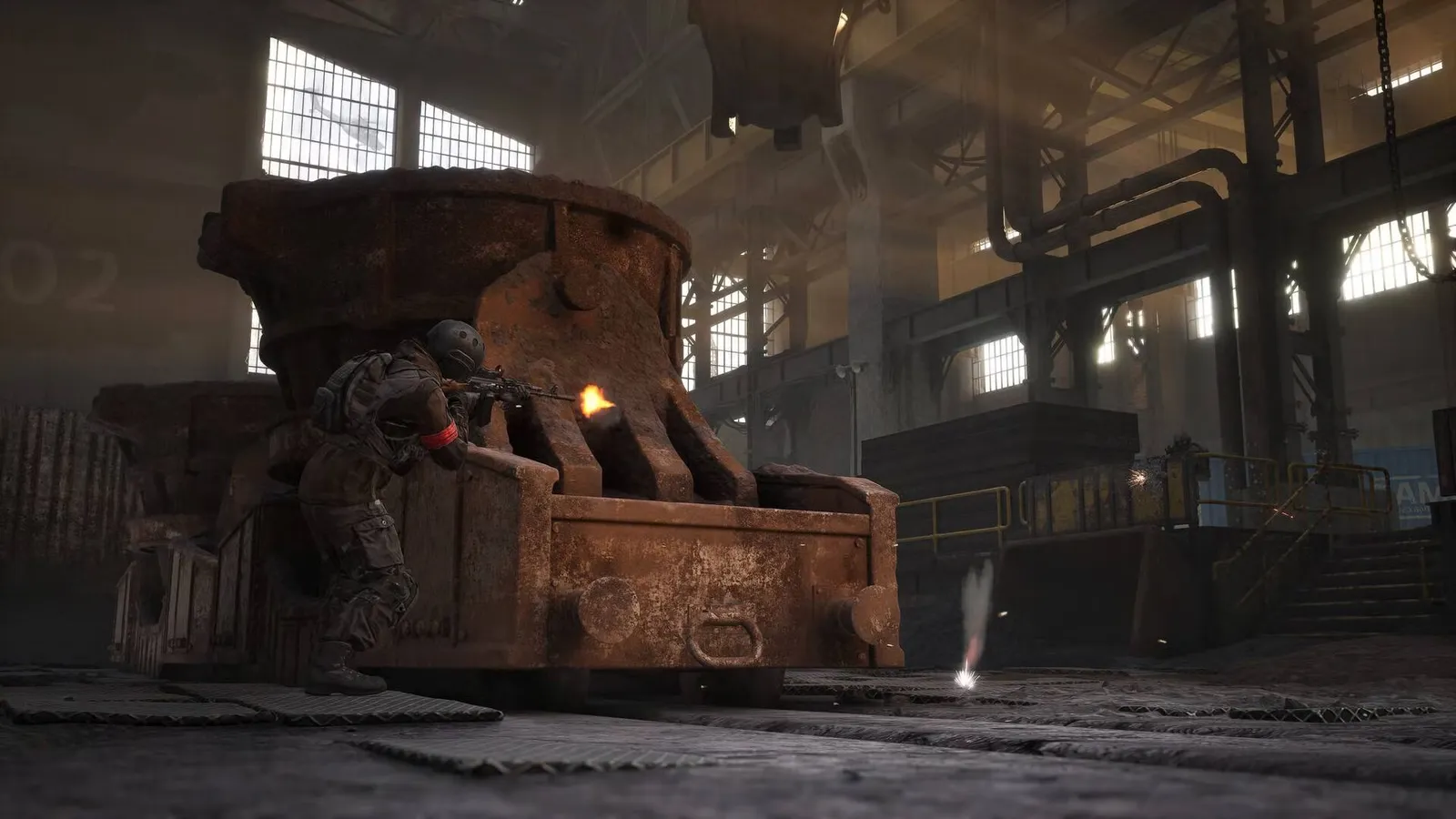
Bulkhead CEO Joe Brammer told Polygon that in Wardogs, “cash is the best anticheat,” using it to identify abnormal behavior. His approach frames anti-cheat not just as a lock on the PC, but as a system that spots exploitation patterns and reacts.
If you’ve played a PC FPS in the last decade, you already know the punchline: cheaters and unfair hacks never really disappear. They evolve. Anti-cheat solutions do too. And the newest “arms race” has moved from simple software scans to hardware-level enforcement, like secure boot and TPM 2.0.
In that context, Bulkhead CEO Joe Brammer is making a striking claim about Wardogs. He told Polygon that “cash is the best anticheat,” because it gives the game a way to spot abnormal behavior. The point is simple and very practical: when payouts or in-game economics react in a way that makes sense only for normal play, exploits start looking statistically weird. Not every cheat breaks the money model. But the ones that do can become much easier to detect and, in theory, much easier to “deal with.”
Bringing in the hardware story helps explain why this “cash” idea fits the current moment. FPS games on PC have long dealt with cheaters, and there have been various anticheat approaches over the years, with different degrees of success. Recently, more modern FPS games have started adding hardware-level protections, such as requiring secure boot and TPM 2.0. Those mechanisms are meant to reduce the space for manipulation by making it harder to run altered environments or tamper with trust signals.
Wardogs, according to Brammer, will follow that general direction, with a requirement that aligns with what other PC FPS titles are implementing. Bulkhead did not go into much more detail about its specific anticheat plans. But Brammer’s wider thesis is clear: when it comes to exploits, he thinks the game itself will protect players from unfair behavior. That is a meaningful distinction. Some anti-cheat strategies focus heavily on preventing tampering upfront. Others focus on detecting abuse through how the system behaves once the match is underway.
This is where “cash” becomes more than a quirky phrase. PC gaming economics often tries to make progression feel rewarding and fair. If a game’s rewards and economy are calibrated tightly enough, abnormal gameplay can show up as abnormal outcomes. That might look like suspicious win rates, inconsistent performance patterns, or outcomes that do not match how legitimate players normally progress. The practical implication is that “cash” becomes a telemetry layer. It is not just reward, it is signal. And signal can be used to identify abnormal behavior that may be associated with exploits.
There is also a board-level incentive buried here. Anti-cheat is expensive. It costs engineering time, live-ops monitoring, customer support churn, and sometimes revenue itself if you introduce access friction. Hardware requirements can reduce some cheating, but they also create adoption tradeoffs. A studio that believes its game mechanics can catch exploit patterns may be trying to reduce reliance on any single gate. Instead of betting everything on secure boot and TPM alone, Wardogs is aiming for defense in depth, where the game’s own systems help identify problems.
And if you zoom out, the regulatory backdrop matters too. Across tech, governments and regulators have become more comfortable pushing for accountability, transparency, and security practices. Hardware attestation and secure configurations are part of that broader security conversation. Even if Wardogs is not operating under a specific named regulation in the Polygon report, the direction is aligned with a world where trust is increasingly enforced via platform-level signals. That said, hardware enforcement alone does not magically solve cheating. It changes the cheat landscape, which is why combining it with game-side detection, like abnormal-behavior identification through payouts, becomes strategically attractive.
For executives and investors watching the PC FPS market, this is the real takeaway: anticheat is moving toward layered systems that mix platform enforcement with game-native detection. Wardogs will require the sort of hardware protections “almost every modern FPS game” is implementing, but Brammer is arguing that the match economy can also serve as an early warning system. If you lead a game studio, the strategic stake is clear. Your anti-cheat choices will shape player trust, retention, and support load. If you are late to this layered approach, you may end up paying with credibility. If you over-index on any one layer, you may still get outpaced by new exploit techniques. Wardogs is trying to do both, and the bet is that abnormal behavior will be easier to spot when the economics are designed to reveal it.
Ultimately, “cash is the best anticheat” is a claim about design discipline. It is saying that fairness cannot only be enforced at the edges. It has to be visible inside the system, in outcomes players can understand and developers can analyze. That is the kind of thinking that could matter across the genre, because the next wave of cheating will be smarter, and the next wave of defense will have to be too.
This story's Key Insights and Take-aways are locked.
Create a free account to unlock Executive Actions for one credit.
Register to UnlockAlways free for Executives Club members. Join the Club
More in Entertainment

Russell Brand's accuser 'bewildered and confused' as he denies 7 sex charges
The criminal case against the comedian is a live test of how media companies manage talent risk when serious allegations go public.

'It's a Magic Trick': Ballet Experts Say Rosalía's SNL Pose Is Impossible
Three ballet experts tell Rolling Stone Rosalía's gravity-defying SNL stillness shouldn't be possible - and why the debate is now part of the show.

Activision CMO: GTA 6 Will Boost Call of Duty, Not Bury It
Activision's top marketer says Rockstar's blockbuster will drive players back to consoles and into Modern Warfare 4, even as the company admits its recent strategy failed.