

Libsyn inks exclusive deal for Bob the Drag Queen and Monét X Change podcast
The podcast hosting and monetization shift to Libsyn changes the distribution math for creator-led audio brands.
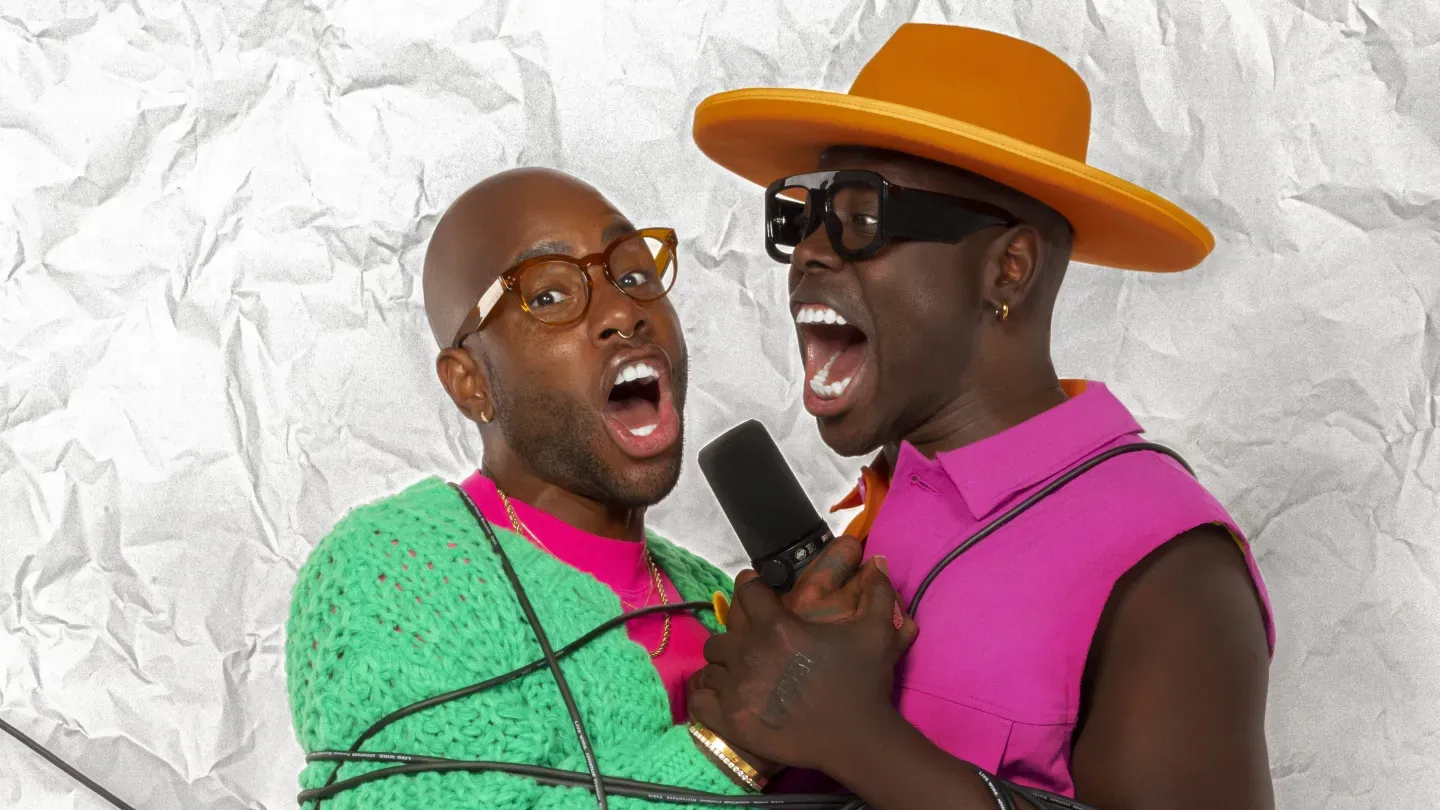
Libsyn will exclusively host and monetize the weekly show hosted by RuPaul's Drag Race alumni Bob the Drag Queen and Monét X Change. For decision-makers, the deal tightens Libsyn's control over distribution economics in a growing creator audio category.
Libsyn is getting exclusive hosting and monetization rights for a weekly podcast hosted by RuPaul's Drag Race alumni, including Bob the Drag Queen and Monét X Change. The Hollywood Reporter reports the deal as an exclusive arrangement where Libsyn will both host the show and monetize it, tightening the company’s grip on how the audience reaches the content and how revenue attaches to it.
That combination matters because “hosting” is not just a technical back-end detail in podcasting. It influences what data gets tracked, what ad inventory or sponsorship integrations are available, and how consistently listeners can be funneled into the show’s ecosystem week after week. In practical terms, Libsyn is not merely supplying storage or streaming infrastructure. It is taking the monetization role tied to a recurring weekly property associated with high-recognition TV talent from RuPaul's Drag Race.
For executives watching creator-led media, this is a familiar pattern with one important nuance. Podcasting has matured from a hobbyist channel into an owned audience distribution layer. But the monetization layer still has fragmentation. Brands, advertisers, and platforms often want predictable delivery and measurable performance, while creators want maximum control and fair economics. When a single provider is responsible for both hosting and monetization on an exclusive basis, it can reduce friction and speed up revenue experiments, from sponsor packages to targeted placements tied to listener behavior.
Libsyn’s move also highlights why exclusivity remains a strategic lever in audio. If you are a creator or a talent operator, exclusive hosting and monetization can mean simplified operations, a more unified go-to-market motion, and potentially better packaging for brands that want one place to start. If you are a platform or marketplace competing for creator relationships, the consequence is that you are not just losing a show. You are losing the data trail, the distribution channel touchpoints, and the monetization surface area.
The headline points to a specific show dynamic: “Sibling Rivalry,” described in the coverage as a weekly show. That phrase matters because rivalry-driven programming is engineered for repeat listening. It is built for continuity, escalation, and episode-to-episode engagement. For an audio provider, a recurring show format is attractive because it can support regular inventory. For advertisers, weekly programming can be easier to forecast than sporadic drops. And for business leaders, the key is that monetization becomes more than a one-time launch. It becomes an ongoing commercial system.
There is also a broader market context executives should keep in mind. Podcasting sits at the intersection of entertainment and advertising, which means it is exposed to the same macro pressures that affect brand budgets. Providers that can offer both reliable hosting and monetization tooling are often better positioned when budgets tighten, because they can pitch efficiency and measurement rather than just reach. In other words, deals like this are not only about creators. They are about reducing uncertainty for whoever funds the ads.
On the regulatory and compliance front, the source does not add new legal specifics, but the structural reality still matters: podcast monetization involves advertising disclosures and platform policies, plus varying rules around tracking and measurement depending on jurisdiction. A hosting and monetization partner can help standardize how content is delivered and how sponsorships are managed, which can reduce operational risk for creators and talent teams. Executives typically prefer predictable compliance workflows, because when something goes wrong in advertising, it is not only revenue. It is also brand safety and reputational capital.
For boards and leaders of adjacent audio businesses, the second-order implication is clear. Distribution and monetization are converging again, this time with creator power as the center of gravity. When a recognized TV franchise talent cohort ties into an exclusive hosting and monetization deal, it signals that the economics of podcasting will increasingly be managed through fewer, deeper partnerships rather than many loose integrations. If you lead a podcast platform, an audio network, or a creator brand, the competitive question becomes whether you can match not just audience quality, but also the commercial pipeline that turns that audience into revenue. Libsyn’s exclusivity here is a reminder that the winners in creator audio will be the ones that own the full path from listener to monetization.
This story's Key Insights and Take-aways are locked.
Create a free account to unlock Executive Actions for one credit.
Register to UnlockAlways free for Executives Club members. Join the Club
More in Entertainment

Russell Brand's accuser 'bewildered and confused' as he denies 7 sex charges
The criminal case against the comedian is a live test of how media companies manage talent risk when serious allegations go public.

'It's a Magic Trick': Ballet Experts Say Rosalía's SNL Pose Is Impossible
Three ballet experts tell Rolling Stone Rosalía's gravity-defying SNL stillness shouldn't be possible - and why the debate is now part of the show.

Activision CMO: GTA 6 Will Boost Call of Duty, Not Bury It
Activision's top marketer says Rockstar's blockbuster will drive players back to consoles and into Modern Warfare 4, even as the company admits its recent strategy failed.