

dbrand refunds 100% of Portal-inspired $99 Companion Cube case after Valve shut it down
Valve’s legal team contacted dbrand after pre-orders, forcing a takedown and refunds for a licensing shortcut.

dbrand, the PC and mobile accessory company, canceled and refunded all sales of its Steam Machine Companion Cube case after admitting it never asked Valve for permission. The decision exposes how quickly “passion project” momentum can collide with IP enforcement, and what that means for product launches built without licensing clearance.
dbrand is issuing refunds after it sold a Portal-inspired Steam Machine Companion Cube case without ever asking Valve for permission, and Valve’s legal team moved fast once the issue reached them. The company says the product was “eviscerated from our website” and will not return, and it is now canceling and refunding all sales after triggering “alarms and action at Valve.” Pre-orders started June 22, and dbrand previously framed the project as a joke that became real after consumer interest poured in. But the core admission is blunt: “in the months that followed, we built the idea into something real without ever asking Valve if we could.”
The stakes are also unusually concrete. dbrand says more than a thousand hours of engineering went into the case over seven months, including “44 sets of injection molding tools.” By the end, the company claims it was “losing money on every $99 Poverty Cube sold,” but it kept going anyway, calling it “a passion project for the entire organization.” That is the kind of sunk-cost story boards understand, but the consequence here is legal and operational: Valve told dbrand that the Companion Cube is Valve intellectual property and that dbrand did not have a license, requesting dbrand “take down the product and launch film immediately.”
If you build products around big brands, licensing is the unsexy part that keeps the lights on. Usually, companies treat it like a checklist item, but dbrand describes the opposite approach. It started with a Portal-inspired idea tied to the Steam Machine reveal, then accelerated because demand showed up. Pre-orders followed, and dbrand even said the case became “the second-fastest selling product in our 15-year history.” That is exactly how licensing shortcuts get traction. The market signals you want, sales numbers look good, and the internal pressure to keep momentum can overwhelm the “ask first” step.
The timeline matters because dbrand links the escalation to pre-orders. “Shortly after, Valve's legal team reached out,” dbrand says. Valve’s position, according to dbrand, was that the Companion Cube is Valve intellectual property and that dbrand lacked a license. dbrand adds that Valve requested immediate takedown of the product and launch film, and also says Valve’s actions were “entirely within their rights,” and that they were “direct, fair, and respectful throughout.” That phrasing is important. It reinforces that this was not presented as a messy dispute or a misunderstanding. It was a rights issue with a clear remedy: remove the listing and stop selling.
dbrand did try to salvage the work after Valve contacted them. The company says it finally asked Valve for permission, but Valve “said no.” dbrand calls the result fair, acknowledging that its “backwards approach of building first and asking permission later” deserved a straightforward answer. It also stresses, “Valve didn't do anything wrong here,” and concludes with the core admission: “We should've asked first.” In other words, the company is not blaming Valve for enforcing rights. It is blaming itself for skipping the permission step long enough to build tooling and ship pre-orders.
There is also a bigger industry lesson hiding in the details. Steam Machine was a moment where hardware ambitions met a debate about price, and Steam Machine engineers have said “the cheaper the better,” according to dbrand’s summary. That makes the $99 “Poverty Cube” detail feel even sharper. They intentionally or accidentally turned the licensing problem into a product economics problem: even when the thing sold quickly, dbrand says it was still losing money per unit after accounting for how far it went into manufacturing. Then, once Valve intervened, the licensing issue overrode the market signal entirely. Sales performance did not convert into a usable business case because rights permission was missing.
Finally, there is the reputational and governance side. Publicly posting on Reddit to admit you built “without ever asking Valve” is not typical risk management. dbrand’s response includes a stark social exchange: a Reddit user said, “You guys are fucking stupid, you know that?” and dbrand replied, “Yes.” That kind of candor can build a certain brand affinity, but it does not reduce operational harm. For executives and boards watching this, the second-order implication is clear: even “respectful” enforcement can create hard deadlines for takedown, inventory handling, and customer refunds, and it can undo months of engineering work overnight.
If you run a company that makes anything around popular IP, the question is not whether consumers will care. The question is whether you can legally scale your version of the idea before manufacturing locks you in. dbrand’s story is a reminder that tooling and pre-orders can become liabilities when licensing is treated as an afterthought. And if your roadmap includes a “joke that became real,” this is the downside scenario you want on a risk register, not a headline you have to apologize for later.
This story's Key Insights and Take-aways are locked.
Create a free account to unlock Executive Actions for one credit.
Register to UnlockAlways free for Executives Club members. Join the Club
More in Business
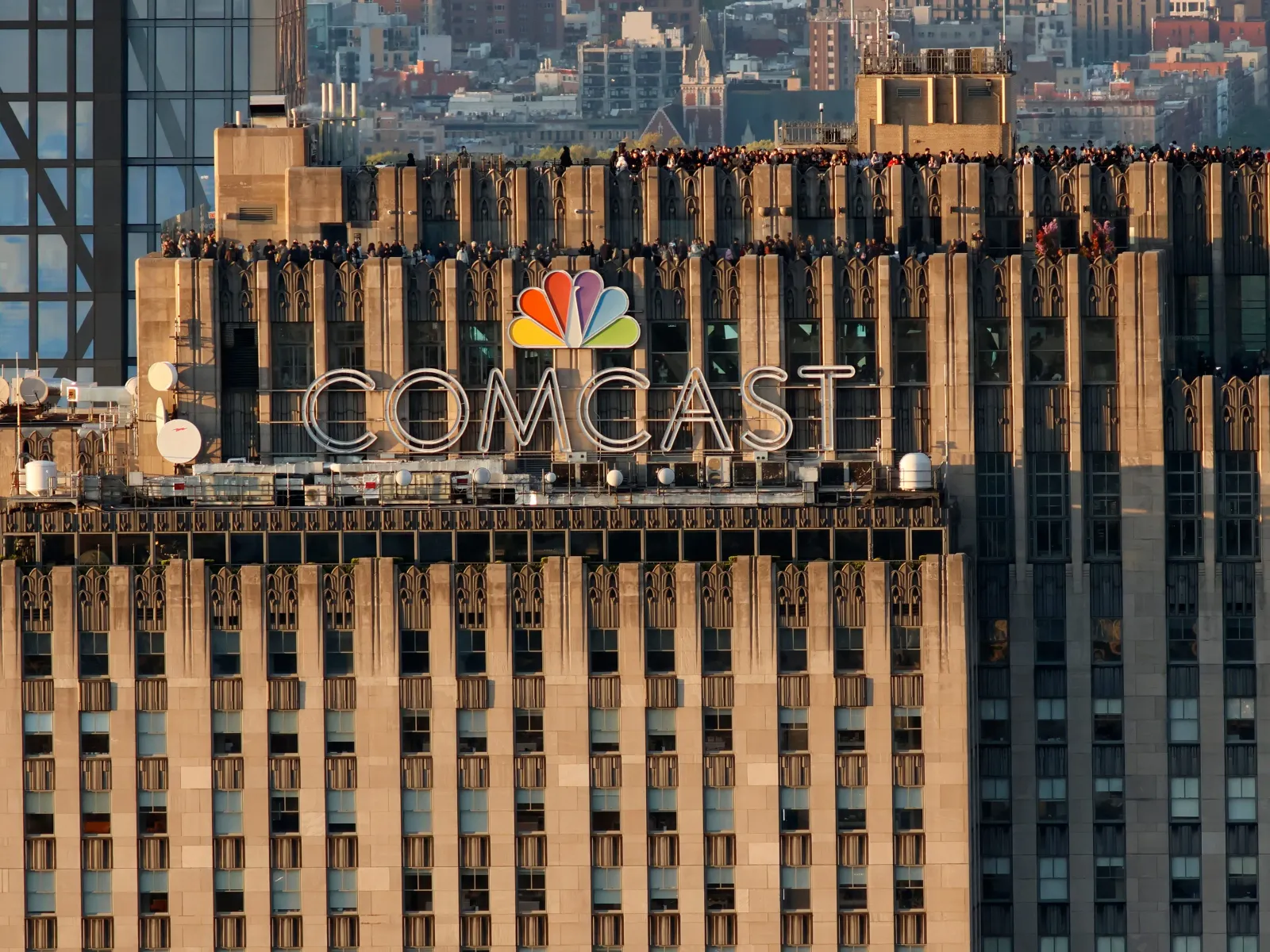
Comcast shares jump 25% as it plans to split NBCUniversal and Sky
The tax-free spin-off could reshape focus, funding, and competition across media and tech for years.

Bungie cuts most Destiny 2 staff as Sony says Marathon still matters
Herman Hulst confirms layoffs affecting most Destiny and some Marathon teams after Bungie admits Destiny fell short.

SK Hynix jumps 11% after seeking up to $29.4B in Nasdaq listing
The chip giant filed for a Nasdaq listing plan that could raise $29.4 billion, instantly reshaping investor expectations.