
Dear Passengers hits #12 on Steam wishlists one week after its July 14 trailer
Co-op airline chaos sells hard fast, even as a week of controversy and AI questions follows it.
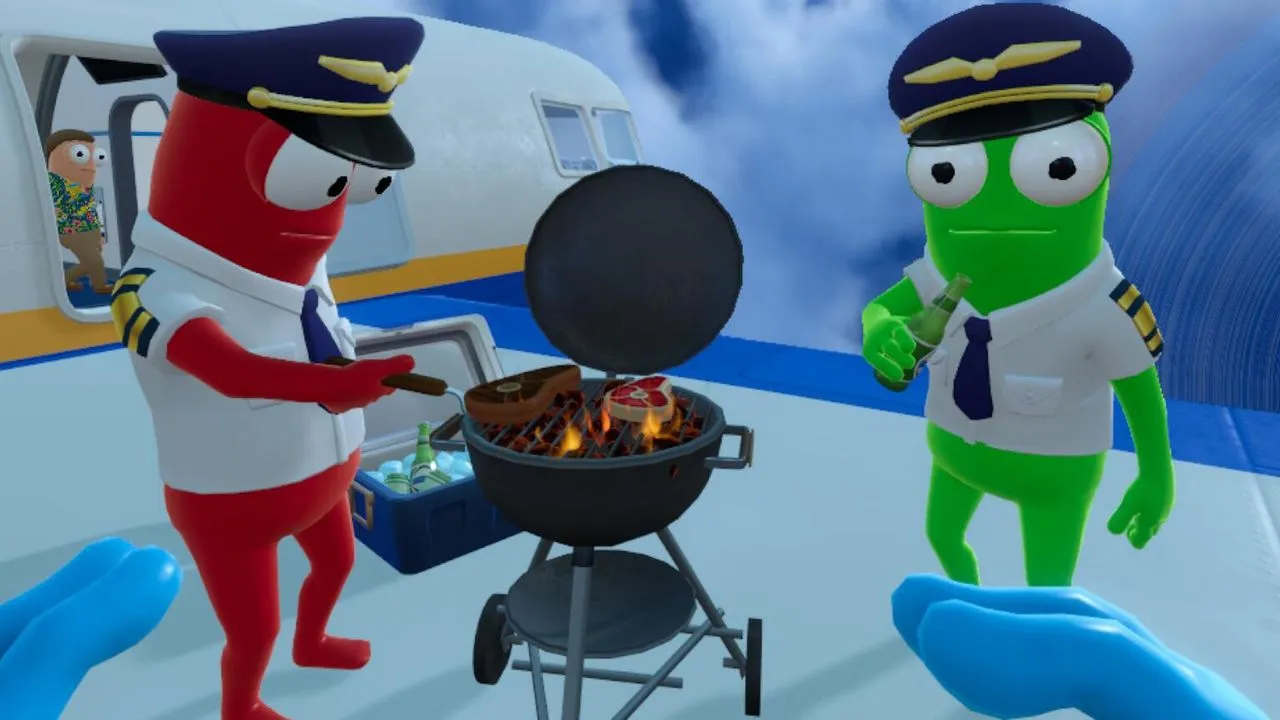
Flexus's co-op friendslop game Dear Passengers rocketed to #12 on Steam's most-wishlisted games just a week after its July 14 trailer. For decision-makers, the speed of wishlist traction is real leverage, but so is reputational risk when backlash and AI transparency concerns land in the same news cycle.
Dear Passengers is already #12 on Steam's most-wishlisted list, despite being announced only a week earlier. The steam-trend timing matters because this is not “slow-burn hype” for a niche title. PC gamers added it to 700,000 wishlists in just 36 hours after the trailer premiered on July 14, and it has since more than doubled that, collecting over 1,500,000 wishlists a couple of days ago.
This kind of wishlist acceleration is the real story early on, because Steam wishlists often act like a leading indicator for launch momentum: players tell platforms and developers what they want before they spend money. In other words, the market signal arrived quickly, and it arrived at meaningful scale. Dear Passengers is pitching a specific fantasy that co-op players seem to like, too. Flexus describes it as “the world's worst airline,” where a crew of friends has to deliver passengers and cargo to their destination, preferably “in one piece,” with one person piloting and others keeping the cabin together, serving passengers, and dealing with whatever goes wrong before it gets much worse.
The gameplay framing is exactly why it’s easy to wishlists-whisper to friends. The trailer and description point to escalating in-flight chaos: turbulence, bad weather, bird strikes, and dangerous cargo can lead to disasters, and there is a uniquely brutal co-op threat built in, where friends might open the doors at altitude and get everyone sucked out of the plane. That is the “friends can absolutely troll each other” energy that tends to spread in a co-op category, where the social experience is often half the product.
But this launch sprint comes with turbulence of a different kind. In the same week the game climbed Steam wishlists, the Kyiv-based studio faced backlash tied to edgelord humor in the trailer. Players in the trailer are named “Epst.J” and “PDaddy,” which are described as not-so-subtle references to notorious sex traffickers, and one passenger appears modeled after Donald Trump. The trailer includes a scenario where he is thrown out of the plane by Epstein. Flexus responded in its official Discord with a statement that “All characters are fictional, and any resemblance to real people is purely coincidental,” and it added: “Flexus Games strongly condemns the actions of Jeffrey Epstein, as well as any crimes and individuals involved in breaking the law.”
If you’re an operator or investor watching from the sidelines, the immediate implication is that the same engine that powers viral wishlist growth can also amplify controversy. Steam is a funnel, but it is also a forum. Social backlash can become part of the product conversation, potentially changing the audience mix or delaying conversion for players who would otherwise buy on launch. It also creates extra work for the studio, because messaging now has to cover not only mechanics and performance, but intent, boundaries, and transparency.
Then the week added a second transparency question: generative AI. After a job advertisement on Flexus’s website sought a “2D Artist skilled in bringing game ideas to life and adept at using generative AI for concept creation,” speculation rose that Dear Passengers uses AI-generated assets, especially since the game’s Steam page displayed no AI disclosure. Flexus replied on Steam: “No AI was used in the creation of Dear Passengers.” It said the job posting was “an old job posting related to marketing assets for some of our mobile projects,” and “This game was created without generative AI.” The job listing has now been revised to state “Looking for a 2D Artist skilled in bringing game ideas to life.”
Stepping back, there are two separate but related second-order effects for leadership teams. First, product velocity is clearly strong: reaching 700,000 wishlists in 36 hours and pushing past 1.5 million shortly after shows real market pull, and it can help with later business outcomes like publisher conversations or community growth. Second, “trust infrastructure” becomes a launch requirement, not a nice-to-have. Between character references tied to real-world criminals and the AI disclosure conversation triggered by a job ad, the studio is forced to manage perception in public, quickly.
And here’s the strategic stake: Dear Passengers is set to release sometime in 2026. That gap turns today’s momentum into a long-term asset that must survive the next 18 to 30 months of updates, press cycles, and community sentiment. In games, early wishlist success can be durable, but it can also mask looming reputational debt if the community decides the controversy is the actual product. For executives and boards, the challenge is balancing the excitement of fast traction with the governance of narrative, disclosure, and community standards, so that the eventual conversion rate at launch matches the wishlist promise.
This story's Key Insights and Take-aways are locked.
Create a free account to unlock Executive Actions for one credit.
Register to UnlockAlways free for Executives Club members. Join the Club
More in Entertainment

12TB Steam 'teraleak' goes beyond Valve: GTA 3, Mafia 2 prototypes exposed
A 12-terabyte dump of Steam data reveals prototypes and builds of third-party classics like GTA 3 and Mafia 2, plus unreleased Valve content, rewriting game history.

LinkedIn's romance problem: 1 in 4 workers say dating on it is fair game
A new survey shows a quarter of U.S. employees treat the professional network as fair game for romance, even as LinkedIn bans it and removes hundreds of thousands of offending posts.

Enhypen's first No. 1 album breaks K-pop's Billboard 200 streak
The K-pop group's 98,000-unit debut tops the chart while Dolly Parton's catalog reentry shows how death reshapes streaming.