
Debate flares as MPs blame social media for normalising abuse after Widdecombe inquiry
A BBC political editor report links a new investigation to renewed pressure on platforms, parties, and election rules.

BBC political editor Chris Mason reports that an investigation into Widdecombe's death has rekindled debate about protecting politicians. Many MPs blame social media for normalising violent language and abuse, with direct implications for party safeguarding and platform accountability.
An investigation into Widdecombe's death has rekindled debate in Westminster about how to protect politicians, according to the BBC's political editor, Chris Mason. The flashpoint is not just the tragedy itself, but the broader pattern many MPs believe helped create the climate around elected office. Mason reports that many MPs blame social media for normalising violent language and abuse.
In other words, the debate is moving from “what happened to Widdecombe” to “what is happening to everyone else.” If violent language and abuse have become more normalized online, then the risk is not abstract. It is reputational risk for parties, safety risk for individuals, and governance risk for anyone responsible for the environment MPs have to operate in. This is why the story matters beyond politics: it is a live test of whether platform design, moderation, and institutional safeguards are keeping up with real-world harm.
To understand why this discussion keeps resurfacing, it helps to know how politics and social platforms amplify each other. Social media is built for speed and engagement. That means fast attention cycles, viral outrage, and amplified claims. In that kind of ecosystem, violent or abusive rhetoric can travel far and wide before any meaningful context arrives. Mason’s report captures MPs’ view that social media has helped normalize that language, essentially lowering the social and behavioral threshold for what people think is acceptable to post about politicians.
For decision-makers inside parties, that creates a hard, practical challenge. Safeguarding is no longer just about physical security or event protocols. It becomes a wider duty to assess and mitigate harassment and threats that originate online but land offline, emotionally, and politically. Platforms can remove content, but they cannot fully erase the broader normalization effect if users see similar patterns repeatedly. Meanwhile, parties still have to show voters and regulators that they are taking steps, not just expressing sympathy.
There is also a governance angle, especially for those who sit in the middle between elected officials and platforms. Boards and senior management structures often treat safety and integrity as operational issues, until a crisis makes them strategic. This BBC report points toward a pattern MPs are already concerned about: abusive and violent language being treated like ordinary political noise. When that happens, internal cultures can drift. Staff may become desensitized. Leadership may underestimate the cumulative impact on members and their families. And in a worst-case scenario, “we thought it was just rhetoric” becomes a painful summary of what went wrong.
Regulation and policy pressure are another layer. In the UK and across Europe, policymakers have been pushing for stronger accountability from platforms over harmful content, including requirements around risk assessment, transparency, and mitigation. Even when specific rules do not directly target political abuse, the direction of travel is clear: platforms are expected to demonstrate they can reduce harm at scale. A story like this, where MPs explicitly connect social media normalization to threats against politicians, can intensify demands for clearer enforcement, better reporting pathways, and more evidence-based moderation.
The second-order consequence for executives and boards is that the cost of inaction tends to compound. The more politicians believe abuse is normal, the more they may disengage from certain online spaces, demand additional protective measures, or push for policy changes. That can force parties and institutions into new spending categories: tooling for monitoring, legal workflows for takedowns, staffing for safeguarding teams, and training programs. It can also force platform counterparts into higher-pressure conversations about what “normalising” means, how it is measured, and what counts as effective mitigation rather than cosmetic cleanup.
Finally, this debate is a reminder that safeguarding is now intertwined with communications strategy. When MPs and parties speak publicly about threats, they influence how others interpret the severity of online abuse. If the public sees only one side of the story, it can create a loop where abusive language is treated as partisan theater. If the public sees credible concern and concrete action, it can raise the cost of abuse and reduce normalization over time. Mason’s report highlights that many MPs see social media as a key driver of that normalization, and the scrutiny that follows will pressure both political organizations and platforms to prove they can do better.
For peers in similar roles, the message is blunt: the debate triggered by Widdecombe's death is not only about one person. It is about the conditions under which elected leaders are targeted, the institutional response required to protect them, and whether the modern attention economy is being governed with enough seriousness to prevent harm from becoming routine.
This story's Key Insights and Take-aways are locked.
Create a free account to unlock Executive Actions for one credit.
Register to UnlockAlways free for Executives Club members. Join the Club
More in Politics
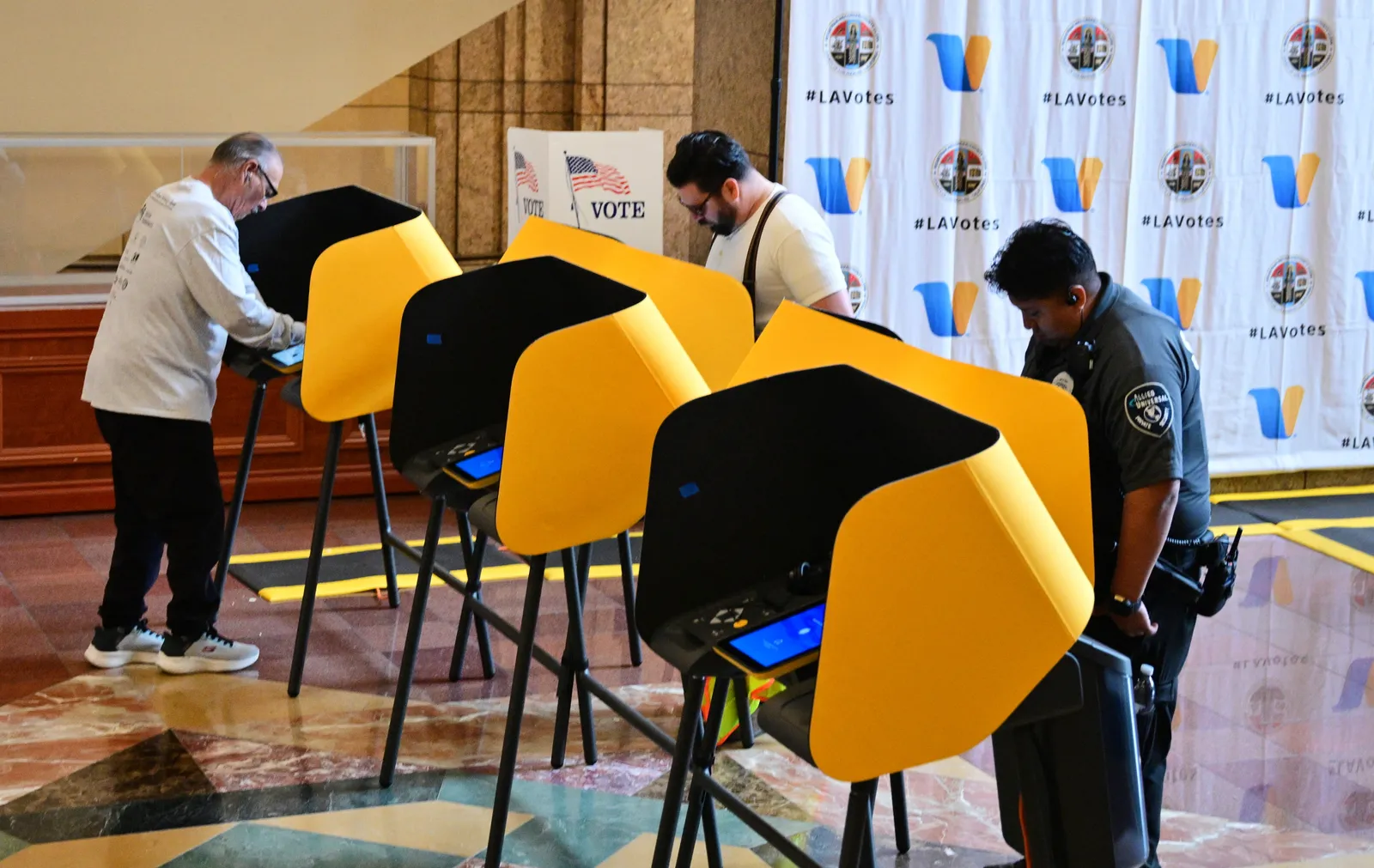
LA County: DOJ's 20,000 'noncitizen' voter list is 'unreliable,' includes U.S.-born
Preliminary review by Los Angeles County election officials finds errors in the federal list, raising the stakes for voter roll integrity ahead of November.
Trump's $1.5B Pentagon chip investment lands in North Carolina
A $1.5 billion defense infusion for North Carolina chipmaking signals a new era of Pentagon-backed reshoring - here's what it means for the industry.
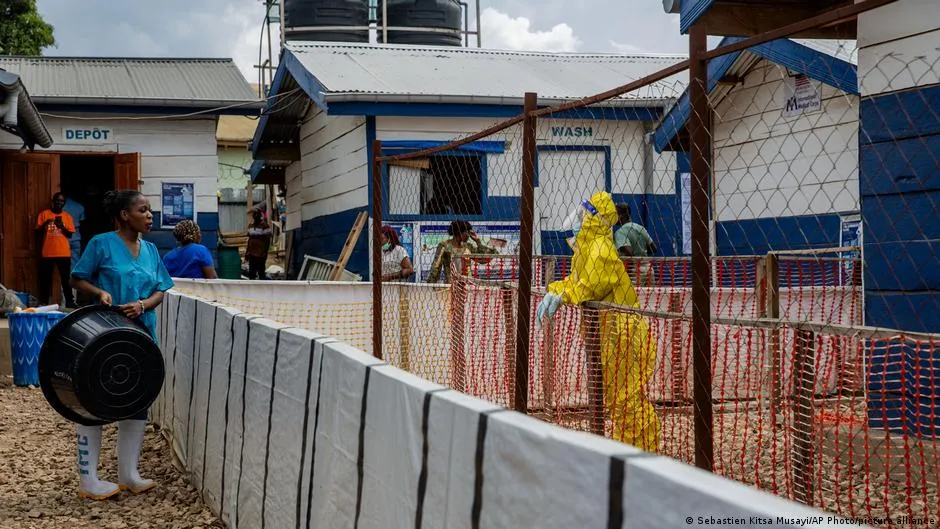
Nigeria confirms first Ebola case in Abuja, a woman just off a Uganda flight
Health Minister Muhammad Ali Pate says the patient flew in from Uganda, putting Africa's latest outbreak on Nigeria's doorstep.