

Decodo’s 2025 data shows cart-discount timing peaks in 48 hours, except travel
Executives should treat cart emails as price discrimination signals, not customer loyalty, with category-specific rhythms and loopholes.

Fortune reports that Decodo tracked more than 1,500 products across 120 retailers in over 40 countries throughout 2025 to map cart abandonment discount timing. The finding matters because the same behavior-triggered system can help customers save money or suppress discounts based on browsing signals.
If your inbox is getting “you left something behind” offers, Decodo’s 2025 dataset suggests the discounts are not random. They follow highly predictable patterns by category, and for many categories the action is concentrated inside about 48 hours after abandonment. The exception is travel, where offers can arrive as fast as 15 minutes and expire within 24 to 72 hours.
That 48-hour window is the core tactical reality behind the barrage of cart abandonment emails: for fast fashion, the first discount typically lands within four to twelve hours, and beauty offers follow within about 24 hours, often bundled with a sample. In both categories, the peak is early, and after roughly 48 hours the discount either disappears or stops deepening. The key implication for operators is that these systems are built to be time-bound and category-specific, not “nice and gentle.”
Here is what makes the pattern strategically uncomfortable for retailers and the people making pricing decisions. Decodo Senior Product Marketing Manager Gabriele Vitke told Fortune, “You can both win and lose,” and “It really depends on the category you're shopping in.” That is not just a customer experience point. It is an incentive design point. Retailers are trying to recover revenue from abandoners. But the same algorithm can work against a customer depending on how the customer browsed, which means the retailer is effectively pricing off intent signals, not just cart contents.
The category detail matters because it changes what “waiting” even means. Vitke says the deeper logic is that timing is aligned with purchase cycles. For fast fashion, you are usually deciding quickly, so the discount arrives early and peaks early. Beauty works similarly, with offers often timed around about 24 hours and with a common move of bundling a sample. The brief wait can be worth money, but not a long one. After about 48 hours, the discount stops deepening or disappears.
Home and big-ticket purchases are a different game. Direct-to-consumer furniture and mattress brands, according to Decodo’s data, tend to escalate offers gradually, with the deepest discount often arriving in the third or fourth email, sometimes a week or two out. The reason is mechanical and behavioral at the same time: it normally takes longer to pick a sofa than a t-shirt, so the pressure timing follows longer decision-making. That means the same “abandon and receive a discount” workflow behaves more like a drip campaign for big purchases than a quick rescue for small ones.
Travel is the outlier that makes the whole system feel more like pricing automation than marketing. Decodo found discounts arriving as fast as 15 minutes after abandonment. Most offers expire within 24 to 72 hours, which lines up with perishable inventory and strict timing realities such as seats, rooms, and departure windows. This category also highlights the operational tradeoff: when inventory and timing are tight, the algorithm cannot afford to “wait and see.” It has to act quickly.
Then there is the part that flips the usual customer advice on its head. The system is not only tracking whether you abandoned your cart; it is also reading how badly it thinks you want the item. If shoppers search the same product or category repeatedly, retailers interpret that as urgency, which can delay or suppress the discount. In other words, the customer behavior that looks like diligence to the shopper can look like high willingness to pay to the retailer. That is why the behavioral workaround described by Fortune is so specific: browse in incognito, but do not log in until you are ready to purchase. Logging back in after an incognito session sends behavioral data back to the retailer anyway, collapsing the clean slate.
Zooming out, this is part of a broader shift toward personalized pricing using more than just market demand. Device type, scroll behavior, purchase history, and even how often you return to a product page can influence the price you see and when a discount is triggered. Fortune connects this to the FTC’s description of “surveillance pricing,” meaning individualized pricing based on personal data such as location, browsing history, and device information. The same approach has drawn scrutiny in sports ticketing and ride-hailing, where consumers have found their account-linked data profile, not just general demand, can change what they pay.
For executives, the strategic stake is simple: pricing systems that adapt to individual signals can be revenue-positive, but they create volatility in how customers experience fairness and how regulators interpret intent. Vitke also pushes back on the “all manipulation” framing, saying, “I wouldn't write off dynamic pricing as just manipulative.” The practical takeaway is that these systems can genuinely save money, but only when customers understand the mechanics and when the business understands the optics. Boards and leadership teams should treat cart abandonment discounts as a live pricing interface, not merely a conversion email flow, because in 2025, timing and behavior signals are part of how prices are made.
This story's Key Insights and Take-aways are locked.
Create a free account to unlock Executive Actions for one credit.
Register to UnlockAlways free for Executives Club members. Join the Club
More in Business
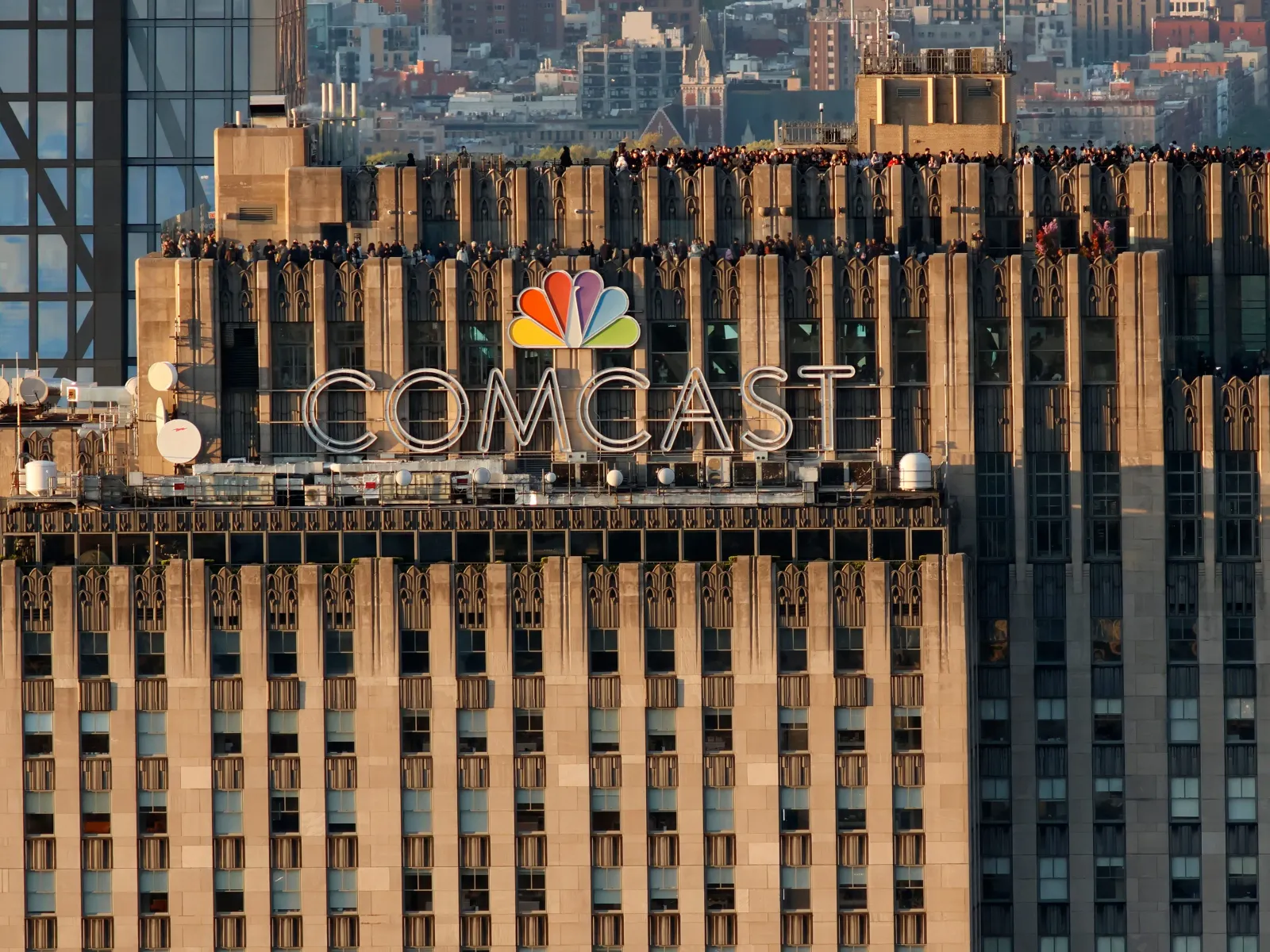
Comcast shares jump 25% as it plans to split NBCUniversal and Sky
The tax-free spin-off could reshape focus, funding, and competition across media and tech for years.

Bungie cuts most Destiny 2 staff as Sony says Marathon still matters
Herman Hulst confirms layoffs affecting most Destiny and some Marathon teams after Bungie admits Destiny fell short.

SK Hynix jumps 11% after seeking up to $29.4B in Nasdaq listing
The chip giant filed for a Nasdaq listing plan that could raise $29.4 billion, instantly reshaping investor expectations.