
DeepSeek panic fades: Nvidia and Broadcom selloff looks overblown, WSJ says
The alleged “sink” to US AI leaders never materialized, and decision-makers should recalibrate risk fast.

WSJ Markets argues the panic that DeepSeek would sink US AI titans, including Nvidia and Broadcom, has been overblown. For investors and executives, that means separating headline-driven fear from the fundamentals that actually drive outcomes.
A story about DeepSeek is still making the rounds. But the WSJ Markets takeaway is blunt: the panic that fueled a selloff in Nvidia, Broadcom, and other tech giants is overblown, and DeepSeek won’t sink U.S. AI titans.
In other words, the market reaction has been out of proportion to the actual threat. The initial narrative was simple and scary. It implied DeepSeek, a fast-moving AI presence, could disrupt the winners in US AI hardware and infrastructure. That fear helped push shares down across major AI bellwethers. WSJ Markets is basically telling readers to zoom out and notice that the “sink” framing did not hold up.
To understand why that matters, you have to remember how AI markets trade. They do not just price what companies have today. They price what the market thinks will happen if the next wave of models changes the supply chain, the demand curve, or the competitive landscape. When a new AI entrant grabs attention, it can spark a reflexive de-risking. People sell crowded positions because they do not want to be the last ones still holding when sentiment flips.
But sentiment is not a balance sheet. Nvidia and Broadcom occupy very specific roles in the AI stack. Nvidia is closely associated with the compute backbone of modern AI. Broadcom is tied into the infrastructure around that compute through networking and connectivity exposure. The market panic implied that an external shock could instantly rewrite the trajectory for those platforms. WSJ Markets pushes back on the idea that this kind of immediate “sink” is the right lens.
There is also a timing problem embedded in the panic. New models and new approaches can absolutely shift the competitive conversation. Yet the translation from “model surprise” to “hardware demand collapse” typically runs through adoption cycles, customer procurement, and deployment decisions. Those are not instantaneous. Enterprises and operators rarely rip and replace their stacks overnight just because a new system posts impressive results. They run benchmarks, pressure-test reliability, and work with integrators who know the deployment reality.
Then there is regulation, which is less about single models and more about the operating environment for AI and semiconductors. In the US and abroad, governments and agencies have been thinking about export controls, supply chain resilience, and compliance. That kind of policy backdrop can change the pace of capacity and the geography of demand. But it is not something that a new entrant alone can nullify in a single news cycle.
So what does WSJ Markets want executives to do with this? It is not a victory lap for every AI name. It is an instruction to stop treating every headline as an existential verdict. When investors panic, boards and management teams face a double challenge: preserving operational momentum while markets search for a simpler story. The “DeepSeek will sink US AI titans” narrative is that simpler story. The WSJ Markets framing says it is overdone.
The second-order implication is about capital allocation and risk management. If the selloff is driven by fear rather than new, durable fundamentals, then executives should interrogate whether their own internal risk models are too dependent on narrative volatility. That includes how leadership teams think about customer spending plans, pipeline conversion, and vendor concentration risk. It also includes how boards interpret market signals. A down tape can create the illusion that the world changed overnight. Sometimes it just means traders moved first and verified later.
For leaders at peers across AI hardware, infrastructure, and adjacent enabling platforms, the strategic stake is clear. If DeepSeek does not “sink” the incumbents, then the market likely overshot in the short term. That gives companies room to focus on execution rather than panic. But it also serves as a warning: narrative shocks will keep coming as AI accelerates. The winners will be the ones who can separate temporary fear from lasting demand shifts, and keep their strategy steady when headlines want them to jitter.
This story's Key Insights and Take-aways are locked.
Create a free account to unlock Executive Actions for one credit.
Register to UnlockAlways free for Executives Club members. Join the Club
More in Technology

Samsung’s Galaxy Unpacked 2026 folds and watches bet big, can it out-sell iPhone rumors?
Samsung unveiled next-gen foldables and smartwatches in London. Here is what the moves mean for its rivalry with a rumored foldable iPhone.

Roku raises hardware prices across its lineup due to memory shortages, report says
A cost squeeze is spilling into retail pricing. Here is what the memory shortage likely changes for streaming device makers.
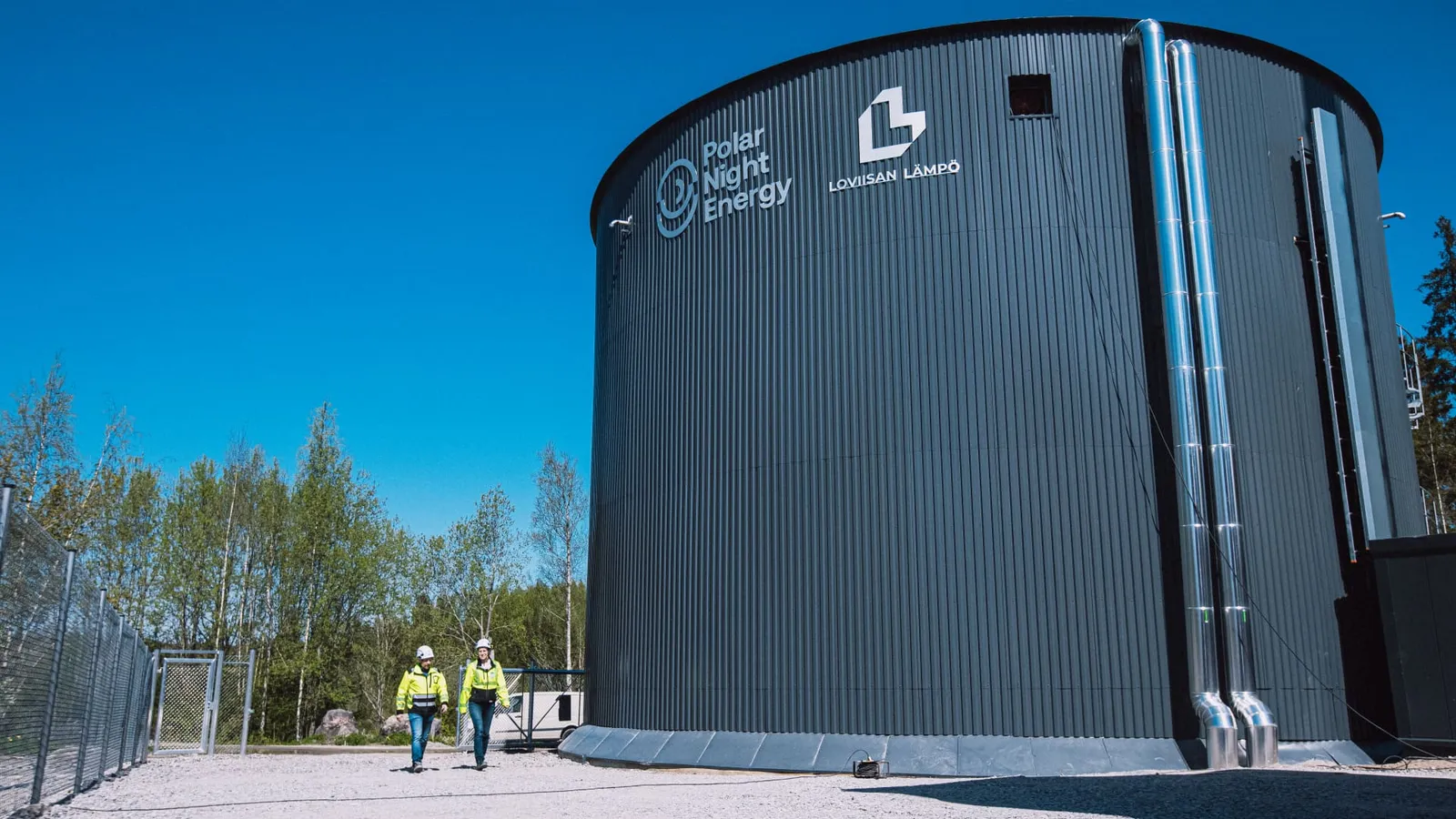
Finland powers through wind and solar lulls with the world’s largest sand battery
A small town in Finland is using the world’s largest commercial sand battery to solve intermittency.