

Delphi Interactive shipped Fifa World Cup: Launch Edition, and it still bombed badly
The officially licensed World Cup game is a dated mess, and the history of failures shows why sports IP is a trap.
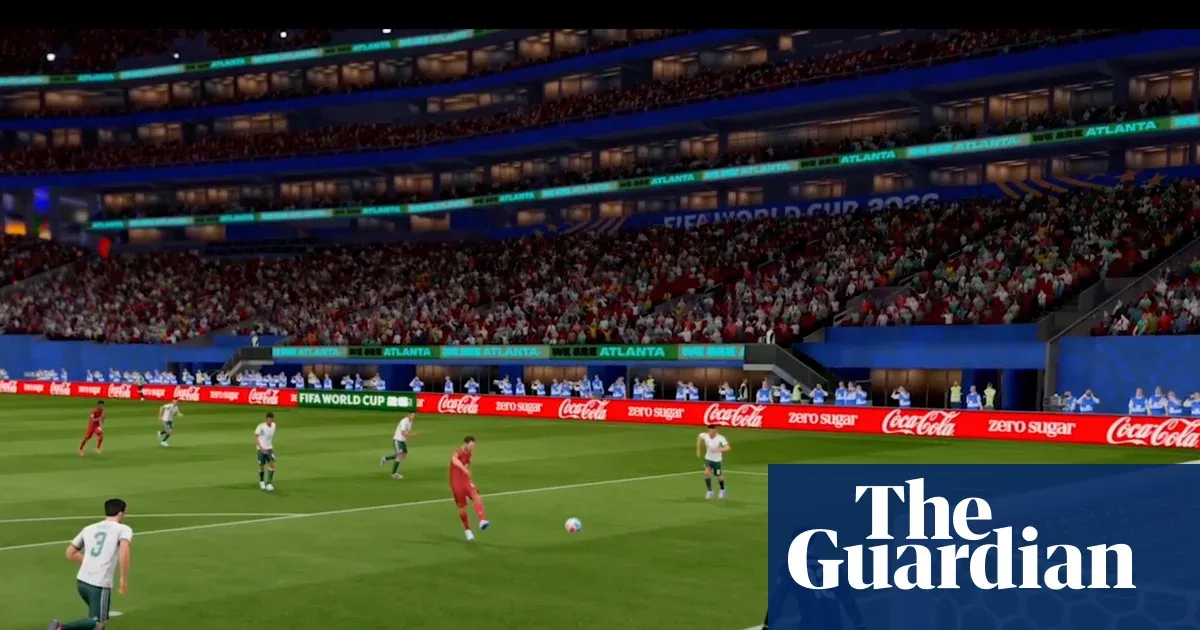
Delphi Interactive developed the officially licensed Fifa World Cup: Launch Edition, released for smart TVs and computers and controlled through a phone app, with commentary by Clive Tyldesley. For decision-makers, the track record behind World Cup tie-in games is a cautionary case study in IP licensing, rushed development, and audience expectations.
If your job involves licensing, publishing, or betting on “high-intent” moments in culture, the World Cup video game story is a warning label with a ball on it. The officially licensed title Fifa World Cup: Launch Edition, developed by Delphi Interactive, is described as a “juddering, dated calamity” with sluggish controls and commentary by Clive Tyldesley that is compared to a robotic train station announcement. In other words: the real tournament can electrify a country, but the digital knockoff often stumbles when it tries to bottle that energy.
The most revealing part is not that the game is rough. It is how it is rough. Players stream the game via smart TVs or computers, and controls come through a phone app after you download it. That layered setup matters because it adds friction at the exact moment sports audiences want instant feedback. The article’s blunt takeaway is already there in the first impression: the title is sluggish, dated, and under-delivers on atmosphere.
And this is not a one-off. The Guardian frames the broader history as a pattern of “brilliantly terrible” World Cup games that keep failing to capture the hyped-up atmosphere. Before Launch Edition, it was “largely agreed” that the worst World Cup football game in history was World Cup Carnival, the first official FIFA tie-in released in 1986 on various home computers. That name alone tells you the vibe the market was aiming for: make the World Cup feel like a party. The outcome, as stated, was a critical and commercial disaster.
The article also zooms in on how deals and timelines can turn sports licensing into a scramble. For World Cup Carnival, publisher US Gold “thought it had a deal” with the Manchester studio Ocean Software to repurpose its acclaimed title Match Day. But the agreement fell through. With “three months to go before Mexico 86,” US Gold was forced to “effectively rebadge” a dire 1984 sim, World Cup Football, by the developer Artic. That is a textbook incentive mismatch: the brand value of FIFA and the calendar urgency of a major tournament, paired with a product that did not have the time or polish to earn the spotlight. Even the physical packaging was a tell. The game shipped in a “fancy big box” with a fixtures chart, a World Cup facts poster, and flag stickers. The implication is not subtle: the extras were supposed to create perceived value when the core experience was failing.
Then there is the modern licensing layer. Launch Edition is officially licensed and available through mainstream streaming on smart TVs and computers, but it still lands with a thud. The development team is described as “virtually unknown Delphi Interactive,” which matters in a competitive market. When a studio is not a known quantity, audiences and platforms are more likely to fill the gap with optimism about licensing and production scale. But the article emphasizes that, in this instance, the game does not cash the promise. Commentary by Clive Tyldesley, a name that signals familiarity, becomes part of what does not work, with the text saying his voice delivers all the excitement of a robotic train station announcement. That is the kind of mismatch decision-makers should care about: star talent does not fix pacing, controls, or moment-to-moment immersion.
Zoom out further and the second-order implications become clear. World Cup games are built on peak demand. The tournament creates a temporary spike in attention, which pressures publishers to ship on time, even when development is uncertain. If the control scheme depends on a phone app, that means the onboarding experience must be unusually smooth for casual fans. If the core loop feels sluggish, the audience will blame the game, not the clock. And if packaging and “facts” try to compensate for gameplay shortcomings, that is a bet that customers will tolerate thin value. Historically, the article says they did not.
For boards and executives, this history is not just about bad taste. It is about risk allocation across licensing, development partners, and launch execution. US Gold’s experience with Ocean Software collapsing into a rushed rebadge three months before Mexico 86 shows how quickly a licensing strategy can be derailed by partner failure. Delphi Interactive’s Launch Edition shows how that dynamic persists even with modern distribution. When a product is tied to a once-every-four-years spotlight, every weakness becomes visible because players are actively looking for a faithful recreation of a feeling.
So the strategic stake is simple: sports IP is not automatically a win. It is a high-expectation bet that can punish friction, pacing problems, and shallow immersion. If your organization is considering a tie-in around a major event, the World Cup’s digital record suggests you should treat “officially licensed” as a baseline, not a guarantee, and treat time-to-polish and controls as non-negotiables, not nice-to-haves.
This story's Key Insights and Take-aways are locked.
Create a free account to unlock Executive Actions for one credit.
Register to UnlockAlways free for Executives Club members. Join the Club
More in Entertainment

Russell Brand's accuser 'bewildered and confused' as he denies 7 sex charges
The criminal case against the comedian is a live test of how media companies manage talent risk when serious allegations go public.

'It's a Magic Trick': Ballet Experts Say Rosalía's SNL Pose Is Impossible
Three ballet experts tell Rolling Stone Rosalía's gravity-defying SNL stillness shouldn't be possible - and why the debate is now part of the show.

Activision CMO: GTA 6 Will Boost Call of Duty, Not Bury It
Activision's top marketer says Rockstar's blockbuster will drive players back to consoles and into Modern Warfare 4, even as the company admits its recent strategy failed.