

Delta adds “basic business” fares that strip lounge and seat selection
A new stripped-down premium tier forces airlines, corporates, and travelers to rethink who pays for perks.
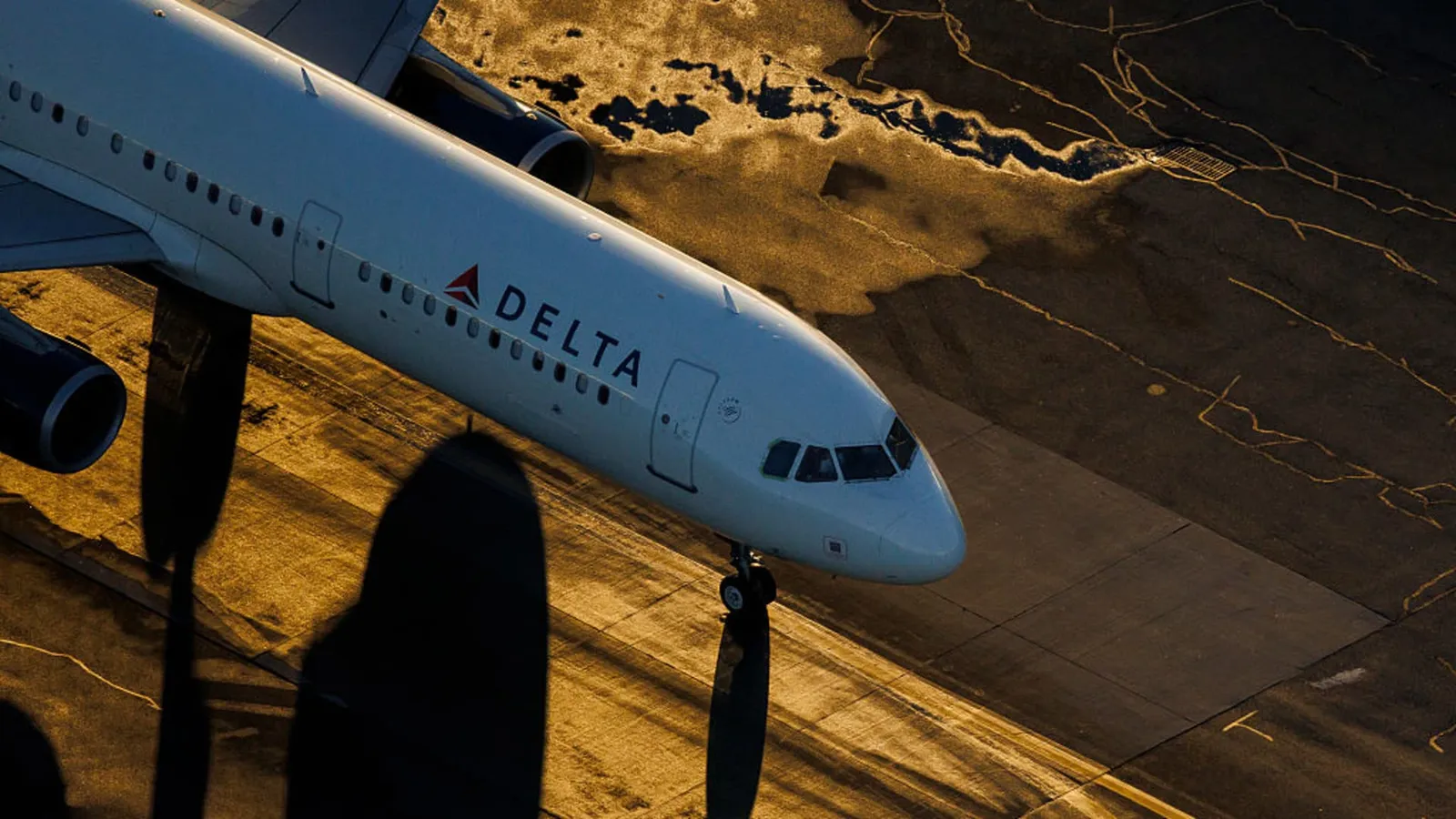
Delta is launching basic business and other stripped-down premium classes with fewer perks. For decision-makers, the move sharpens the pricing and loyalty battleground across corporate travel and premium markets.
Delta is launching “basic business” fares and other stripped-down premium classes that come with fewer perks, according to CNBC. The headline stake is simple: if you buy into Delta’s premium cabin, you may still be paying premium prices while losing specific benefits like lounge access and seat selection.
That matters because Delta is effectively slicing business class into layers. “Basic business” is positioned as premium-adjacent, but with fewer extras than traditional business class. In practice, that means some travelers who expect the full premium experience may discover the experience they got is more like a constrained upgrade than a complete re-tiering.
This is not happening in a vacuum. The airline industry has been running a long experiment in unbundling for years, turning what used to be standard inclusions into add-ons or tiers. Lounge access and seat selection are classic examples. They are valuable, they are operationally manageable, and they create an easy line between “I want the perks” and “I just want to get there.” When airlines add a new stripped-down premium category, they are not just changing the product, they are changing the math that governs demand.
From a decision-maker’s perspective, the real impact lands in two places: corporate travel procurement and loyalty strategy. Corporate travel teams often manage policies around cabin class and included amenities, because employee experience can be the difference between “policy compliance” and “expensed resentment.” When a company’s travel program treats “business class” as a bundle of perks, Delta’s “basic business” fares force that policy to get more granular. Otherwise, travelers may book what the system labels as premium while missing the very benefits that employees used to see as normal.
Meanwhile, loyalty programs and paid upgrades become more sensitive to how airlines define value. Stripped-down tiers can shift revenue toward customers who pay for perks separately or who use elite status to bridge the gap. Even if the total premium cabin revenue stays healthy, the mix changes. That mix shift can influence forecasting, customer segmentation, and how airlines manage promotions across routes.
There is also a regulatory and consumer-protection angle, even if it is not usually the headline. Airline pricing changes typically land inside a broader framework that requires clear disclosure of what is included. When an airline creates a “basic” premium tier, the consumer expectation gap becomes the compliance risk. The industry has to be precise about what passengers are buying. The practical question for airlines is whether customers clearly understand the trade-offs before purchase. For corporate buyers, it becomes whether internal systems surface those trade-offs early enough to avoid policy violations.
The second-order effect for Delta’s peers is that “basic business” puts pressure on competitors to respond, either by introducing similar tiers or by defending their own premium packages more aggressively. If customers discover they can pay for a premium cabin without lounge access and seat selection, the market might begin to treat those perks as optional. That can reshape how airlines compete on differentiation. Some may double down on delivering the full premium cabin experience; others may copy the unbundling to protect margins when demand softens.
Zoom out further and the strategic stakes are bigger than one airline’s fare taxonomy. Premium cabins have been a focal point for airline profitability, but premium demand is cyclical and sensitive to economic swings. When airlines create more fare steps, they can capture value across more customer segments. Customers who would have paid for full business class might be nudged into buying “basic business” instead, while customers who truly want perks get routed into a higher tier or add-on purchase. That can smooth revenue across varying demand conditions, but it also risks confusing customers if the tiering becomes too complex.
For executives monitoring the sector, Delta’s move is a reminder that the airline product is increasingly a menu, not a category. “Business” is becoming a set of choices: seat, lounge, and other premium benefits may no longer come bundled by default. The board-level question is whether the company can manage the commercial upside of unbundling without undermining trust or partner relationships, especially in corporate accounts where policy consistency is everything.
This story's Key Insights and Take-aways are locked.
Create a free account to unlock Executive Actions for one credit.
Register to UnlockAlways free for Executives Club members. Join the Club
More in Business

Comcast shares jump 25% as it plans to split NBCUniversal and Sky
The tax-free spin-off could reshape focus, funding, and competition across media and tech for years.

Bungie cuts most Destiny 2 staff as Sony says Marathon still matters
Herman Hulst confirms layoffs affecting most Destiny and some Marathon teams after Bungie admits Destiny fell short.

SK Hynix jumps 11% after seeking up to $29.4B in Nasdaq listing
The chip giant filed for a Nasdaq listing plan that could raise $29.4 billion, instantly reshaping investor expectations.