
Derelict Star nails physics-first platforming on April 3, 2026, and it keeps you playing anyway
A 1:1, momentum-based 2D platformer trades violence for jetpack mastery, with checkpoints and fast travel to untangle frustration.
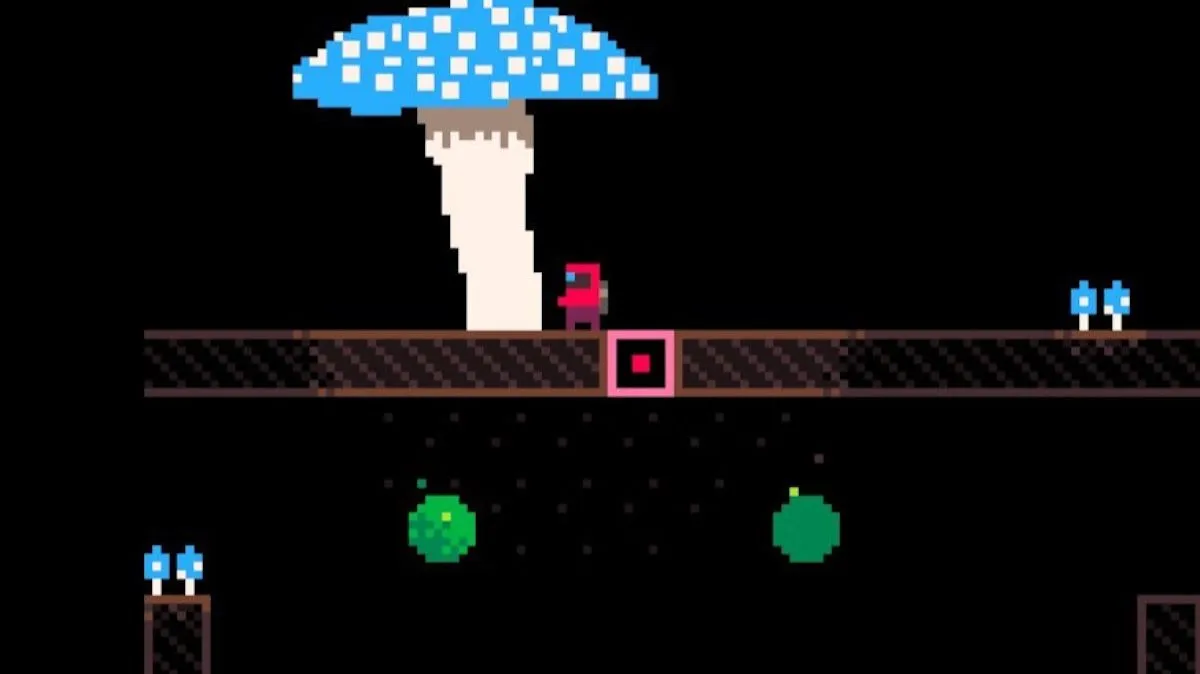
Derelict Star is a momentum-based 2D platformer by gate, published by Luminous Tree Games, releasing April 3, 2026 for $10 on Steam. Its physics-driven design, abundant checkpoints, and readable grid world create a rare “I should stop” game that makes players want to return.
Derelict Star releases April 3, 2026 for $10, and PC Gamer’s review makes a pretty bold case: it’s “tough,” but not punishing. This humble-looking 2D exploration platformer keeps players locked in for “30 odd hours,” even though the reviewer says it “could be dilated into, maybe two hours max” once completed. Translation: the game is designed to stretch your learning loop, not your suffering loop.
The reason sits in the center of everything the game does. Derelict Star is a momentum-based 2D platformer with a strict 1:1 aspect ratio and a “strict, rigorous but masterable physics system,” and it funnels you toward eight power cells to reactivate your ship. There are no boss battles, combat, or kill rooms. Instead, you explore an old space freighter that’s “a massive world of ultra-parsable grids,” where chunky, readable pixel art helps you judge exactly what went wrong when you die, and what went right when you gain enough momentum to land a mantle you previously thought was impossible.
From an operator or investor lens, that design choice is the whole pitch. Many platformers rely on reflex tests plus punishment to manufacture tension. Derelict Star does something more specific: it uses physics readability as a feedback system. The reviewer claims you can tell the difference between dying to a “lava coral” versus standing close to it specifically to gain momentum for the next platform. That’s not just aesthetic. It’s information design. If the player can reliably interpret causes, they can iterate faster, which turns difficulty into a craft practice instead of a grind.
And Derelict Star’s mechanics are built to reward methodical experimentation. Your character has a jetpack, and the game tracks speed accrued by running. Jumping from a static position “piddling,” but if you fill the meter from blue through orange into red, and then jump, you can leap “vast distances.” Even vertical traversal gets a physics-driven identity: the reviewer describes maintaining red-level momentum as long as you avoid momentum-killing surfaces, letting you effectively float upward through difficult vertical gauntlets. In other words, the game teaches you a repeatable “how,” not just a memorized “where.” That’s why the reviewer keeps coming back after trying to quit.
The world design supports that learning loop. Derelict Star doesn’t side-scroll; instead, it unfolds as discrete rooms. Between checkpoints, you can fast travel using a map that plainly shows where each power cell is. That combination matters. It reduces the time tax of exploration while still preserving the tactile joy of mastering movement within each room. The reviewer calls this a “sandbox of platforming physics problems,” and they emphasize that once you understand the pace and cadence, it “isn’t designed to thwart” you. They contrast it directly with masocore platformers, describing it as more of a “patience platformer,” with “all the time and space to learn.”
The best part for executives watching the space is that Derelict Star’s “feel” is the differentiator, and it’s not marketing fluff. PC Gamer links its gamefeel to classics like Celeste and comparisons like Codemasters F1, because the system is about learning the curves, sometimes right angles, at the right speed. The review also notes moment-to-moment experimentation is “baked into its design,” and that accessible structure lets players keep trying without getting locked into repeated failure loops. The game’s approach is basically an argument for a modern indie platforming philosophy: if you make controls expressive, readable, and consistent, you can lower the odds of rage quitting while raising the odds of obsession.
There’s also a market subtext here. Derelict Star looks like it could run on older hardware (PC Gamer jokes it feels like it could run on a Commodore 64), but the reviewer’s point is that primitive pixel art can be a precision tool. In an industry where budgets often chase flashy visuals, that’s a reminder: clarity and physics are a production choice, not an accident. Development details in the review are light, but the listed specs and test platform (RTX 3060 laptop, Ryzen 5 5600H, 16GB RAM, and “Steam Deck Verified”) signal it’s targeting both performance-conscious players and handheld portability.
For decision-makers, the strategic stake is simple but not small. If you’re backing or building games like this, Derelict Star’s review suggests a path to longevity that doesn’t depend on combat loops or content bloat. Mastery can be manufactured through movement systems, readable environments, and friction management (abundant checkpoints plus fast travel). For boards and investors, it’s a case study in how “difficulty” can be productized as a learning experience, turning playtime into return time.
This story's Key Insights and Take-aways are locked.
Create a free account to unlock Executive Actions for one credit.
Register to UnlockAlways free for Executives Club members. Join the Club
More in Entertainment

Entertainer Russell Brand denies 7 sex charges amid accuser's 'couldn't breathe' claim
The alleged victim's account sharpens the reputational and legal stakes for Brand, his platforms, and any business tied to a public figure under criminal scrutiny.

Russell Brand's accuser 'bewildered and confused' as he denies 7 sex charges
The criminal case against the comedian is a live test of how media companies manage talent risk when serious allegations go public.

'It's a Magic Trick': Ballet Experts Say Rosalía's SNL Pose Is Impossible
Three ballet experts tell Rolling Stone Rosalía's gravity-defying SNL stillness shouldn't be possible - and why the debate is now part of the show.