
Destiny 2 bug lets players “near infinite damage” bosses, and Bungie isn’t fixing yet
A fresh boss-damage bug is spreading through Destiny 2 raids, and Bungie says “Have some fun” for now.
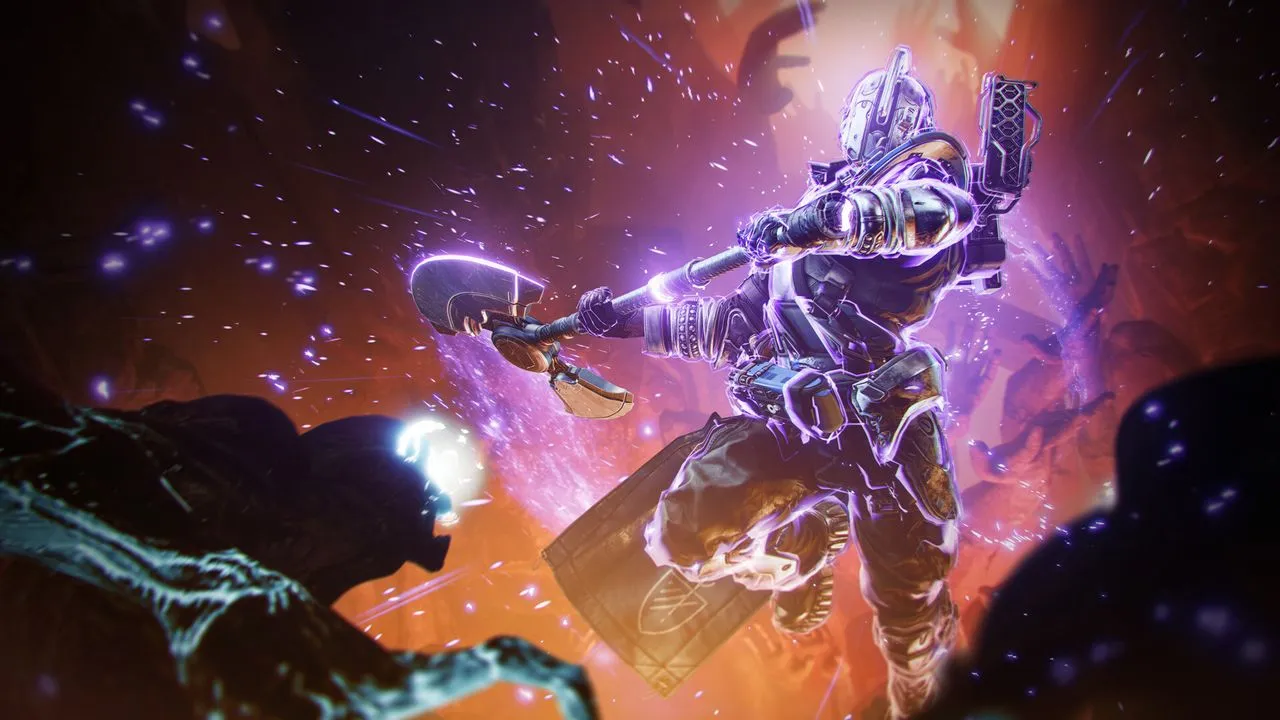
GamesRadar+ reports that Destiny 2 players found a bug that enables “near infinite damage” to bosses. Bungie is currently allowing the issue to stand temporarily, framing it as something players can enjoy.
Destiny 2 players are dealing “near infinite damage” to bosses after a new bug was discovered, and Bungie is letting it slide for now. The surprising part is not that players found an exploit, it is that Bungie is apparently choosing not to immediately stamp it out. In a live service game where balance is the product, tolerating a boss-killer bug sounds like inviting chaos. Yet the company’s message, captured in the GamesRadar+ coverage, is essentially: “Have some fun.”
That line matters because it signals how Bungie is managing a real-time tension in multiplayer games: the tradeoff between player creativity and system integrity. Bosses are designed around pacing, damage windows, and encounter scripts. When players can push damage far beyond intended limits, the experience shifts from “solve the fight” to “break the fight.” The GamesRadar+ piece centers on that exact shift. Players can apply damage so extreme it is described as “near infinite,” turning boss encounters into a stress test for the game’s systems and for Bungie’s internal decision-making.
To understand why Bungie’s choice is news, you have to look at the incentives behind live service operations. Fixing bugs is usually the default instinct, especially anything that undermines encounter design. But rapid fixes also have costs. Every patch carries risk: it can introduce new regressions, destabilize other interactions, or accidentally nerf something unrelated. In a title like Destiny 2, where players build entire schedules, loadouts, and group strategies around mechanics, change management becomes its own game. A “let it run for now” approach suggests Bungie is weighing the immediate harm of imbalance against the larger operational cost of patching quickly.
There is also the social layer. When an exploit spreads, it becomes content. Streamers test it. Communities benchmark it. People who were otherwise locked out of certain progressions can suddenly experience power fantasy and momentum. That can be good for engagement in the short term. It can also be corrosive if it makes progression feel meaningless or turns cooperative play into a race to see who can trigger the bug fastest. Bungie’s “Have some fun” framing in the GamesRadar+ report is basically a wager that, for a period, the community will treat the glitch as a novelty rather than as a permanent substitute for skill.
Now zoom out to the regulatory and policy environment around games and platform services. While this situation does not involve a regulator directly in the source, the background matters for executives overseeing the modern game stack. Live service companies operate under increasing expectations around fairness, transparency, and platform risk management. Even without an external investigation, companies internalize “trust” as a compliance-adjacent concern. Player behavior driven by unintended mechanics can drift into territories that platforms and regulators care about: how exploits are handled, how terms of service are enforced, and how consistently the company applies rules. Bungie allowing the bug to persist temporarily is not a legal admission, but it is a signal that their current governance style prioritizes player experience over strict immediate enforcement.
For decision-makers watching from other studios, the second-order lesson is about how quickly “player discovery” can become “operational reality.” Exploits like this are rarely contained to one corner; they tend to spread through guides, clip culture, and group chats. The more visibility a bug gets, the more it becomes a reputational issue even if it is technically harmless. At the same time, completely shutting down all discovered oddities can backfire if the community sees it as heavy-handed or humorless. Bungie’s temporary pass, as described by GamesRadar+, reads like a balancing act: keep the fun while you plan a fix.
So what is the strategic stake? For Bungie, letting “near infinite damage” run even briefly tests whether the community will remain cooperative and whether the damage imbalance will remain a playful anomaly rather than a new normal. For executives elsewhere, it is a reminder that patching cadence and player psychology are linked. A bug is not just code; it is behavior at scale. If the encounter integrity collapses, retention can suffer. If the community treats the exploit as an entertaining moment and the company follows through with a stable correction later, players may interpret the temporary tolerance as a good-faith partnership.
In short: Destiny 2 players now have a way to melt bosses with “near infinite damage,” and Bungie is, for now, choosing “Have some fun” over immediate suppression. That choice will shape how players judge fairness, how communities organize around encounters, and how other live service teams think about balancing engagement with control.
This story's Key Insights and Take-aways are locked.
Create a free account to unlock Executive Actions for one credit.
Register to UnlockAlways free for Executives Club members. Join the Club
More in Entertainment

Russell Brand's accuser 'bewildered and confused' as he denies 7 sex charges
The criminal case against the comedian is a live test of how media companies manage talent risk when serious allegations go public.

'It's a Magic Trick': Ballet Experts Say Rosalía's SNL Pose Is Impossible
Three ballet experts tell Rolling Stone Rosalía's gravity-defying SNL stillness shouldn't be possible - and why the debate is now part of the show.

Activision CMO: GTA 6 Will Boost Call of Duty, Not Bury It
Activision's top marketer says Rockstar's blockbuster will drive players back to consoles and into Modern Warfare 4, even as the company admits its recent strategy failed.