

Destiny 2 shot from 32nd to 5th on Steam US MAU in June 2026
Circana data shows the “final update” surge still mattered, even as Bungie winds down development.
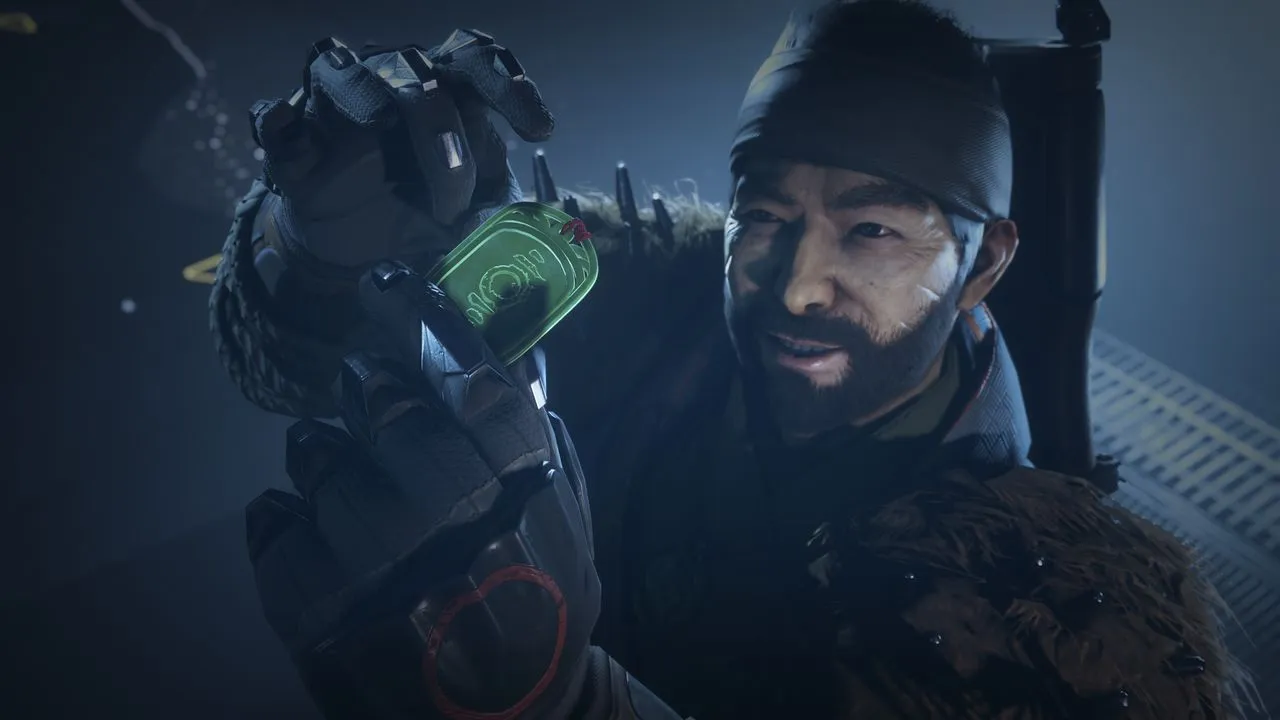
Circana senior director Mat Piscatella used Steam ranking data to show Destiny 2 jumped from 32nd to 5th on the US monthly active user chart in June 2026. For decision-makers, the takeaway is that a well-timed endgame can still move engagement rankings, but it likely cannot reverse structural team and platform shifts.
Destiny 2 did not just get a late compliment. Steam’s US monthly active-user ranking jumped it from 32nd to 5th for June 2026, according to data shared by Circana senior director Mat Piscatella. This is not a “players are up” headline. It is a ranking leap, meaning Destiny 2 overtook multiple competing titles on a monthly active-user basis, right after its end-of-development moment started playing out.
The context matters because this was happening as Bungie prepared the curtain call. The source points to Bungie’s final update, Monument of Triumph, which arrived last month and drove the game to become “more active than it had been in years” as current and lapsed players returned for what effectively became a send-off. SteamDB data in the source shows concurrent Steam player count climbed to more than 165,000, the highest number for Destiny 2 since summer 2024, when the game approached its all-time peak of 316,750. Put together, the raw concurrency surge and the ranking acceleration suggest the same story from two angles: the final update pulled lapsed and present players back in a measurable, chart-moving way.
So why is Circana’s June 2026 ranking data interesting for operators and boards, even if the development is ending? Because it frames engagement in a way that executives actually have to plan around. Monthly active users are less about one-day hype and more about “how many people show up across weeks,” the kind of metric that shapes everything from content roadmaps to platform partnerships. Piscatella’s point is specifically about Steam’s ranking of games with the most active monthly US-based users, not just how many units a title has on its back catalog. A jump from 32nd to 5th means the game moved from a near-bottom visibility lane into the top tier of what Americans were actively playing that month.
That also explains why the leap lands like a soft punch. The source calls Destiny 2’s late momentum “impressive” but also “far too little and too late to do anything more than satisfy the morbidly curious.” This is the uncomfortable business reality: engagement charts can improve without changing the underlying capex and operating model. The source says PlayStation laid off most of the Destiny 2 team as Bungie shifts focus to Marathon, even if Marathon has not yet established itself with anything near Destiny 2’s impact. When teams shrink, production cadence changes, marketing budgets tighten, and long-term retention work becomes harder. A good final month cannot fully replace months of planned development.
Second-order effects for executives show up here, because Destiny 2 functions like a case study for what “endgame scheduling” can do to perception. For the industry, especially live service studios, a title is both product and narrative. Bungie’s final update worked as a narrative accelerant. It brought back current players and reactivated lapsed ones, and it produced visible momentum in Steam metrics. But the same source also highlights industry-wide implications: Warframe lead Rebecca Ford said Destiny 2’s death is “horrible news” because “if it can happen to Bungie, it can happen to anyone.” That is a signal to peers. Even a franchise with decades-long mindshare can be wound down for strategic reasons unrelated to short-term user pull.
There is also a portfolio angle. If Bungie can still jump to 5th in a monthly active-user ranking on Steam US during its send-off period, why does that not translate into continued development? The source gives the answer indirectly through what changed operationally: PlayStation layoffs, Bungie’s focus shift to Marathon, and the notion that Marathon has not yet achieved Destiny 2-level impact. In practice, execs do not manage around “how good the final month looked.” They manage around forward-looking economics, talent allocation, and the probability that the next cycle will recoup the next round of investment.
Finally, there is a cultural and strategic stake that boards tend to underestimate: player trust. When games end, the community watches whether the shutdown is treated like a crash landing or a managed finale. The source suggests Bungie “threw caution to the wind” with Monument of Triumph, maximizing activity for a final month. That choice seems to have rewarded engagement. It also likely shaped how players talk about the brand even after shutdown, which matters for talent reputation, future IP credibility, and how quickly audiences accept the next project. For executives at other live service companies, the lesson is not that “end-of-life updates save studios.” It is that the last content moment can materially alter engagement rankings, while the corporate reality behind the scenes can still decide that the game stops anyway.
This story's Key Insights and Take-aways are locked.
Create a free account to unlock Executive Actions for one credit.
Register to UnlockAlways free for Executives Club members. Join the Club
More in Entertainment

12TB Steam 'teraleak' goes beyond Valve: GTA 3, Mafia 2 prototypes exposed
A 12-terabyte dump of Steam data reveals prototypes and builds of third-party classics like GTA 3 and Mafia 2, plus unreleased Valve content, rewriting game history.

LinkedIn's romance problem: 1 in 4 workers say dating on it is fair game
A new survey shows a quarter of U.S. employees treat the professional network as fair game for romance, even as LinkedIn bans it and removes hundreds of thousands of offending posts.

Enhypen's first No. 1 album breaks K-pop's Billboard 200 streak
The K-pop group's 98,000-unit debut tops the chart while Dolly Parton's catalog reentry shows how death reshapes streaming.