
Diablo 4 Season 14 adds Pandemonium Ruptures and a revamped mythic system
Decision-makers get the gameplay changes in one place, including a new Solo Self Found campaign-and-endgame mode.
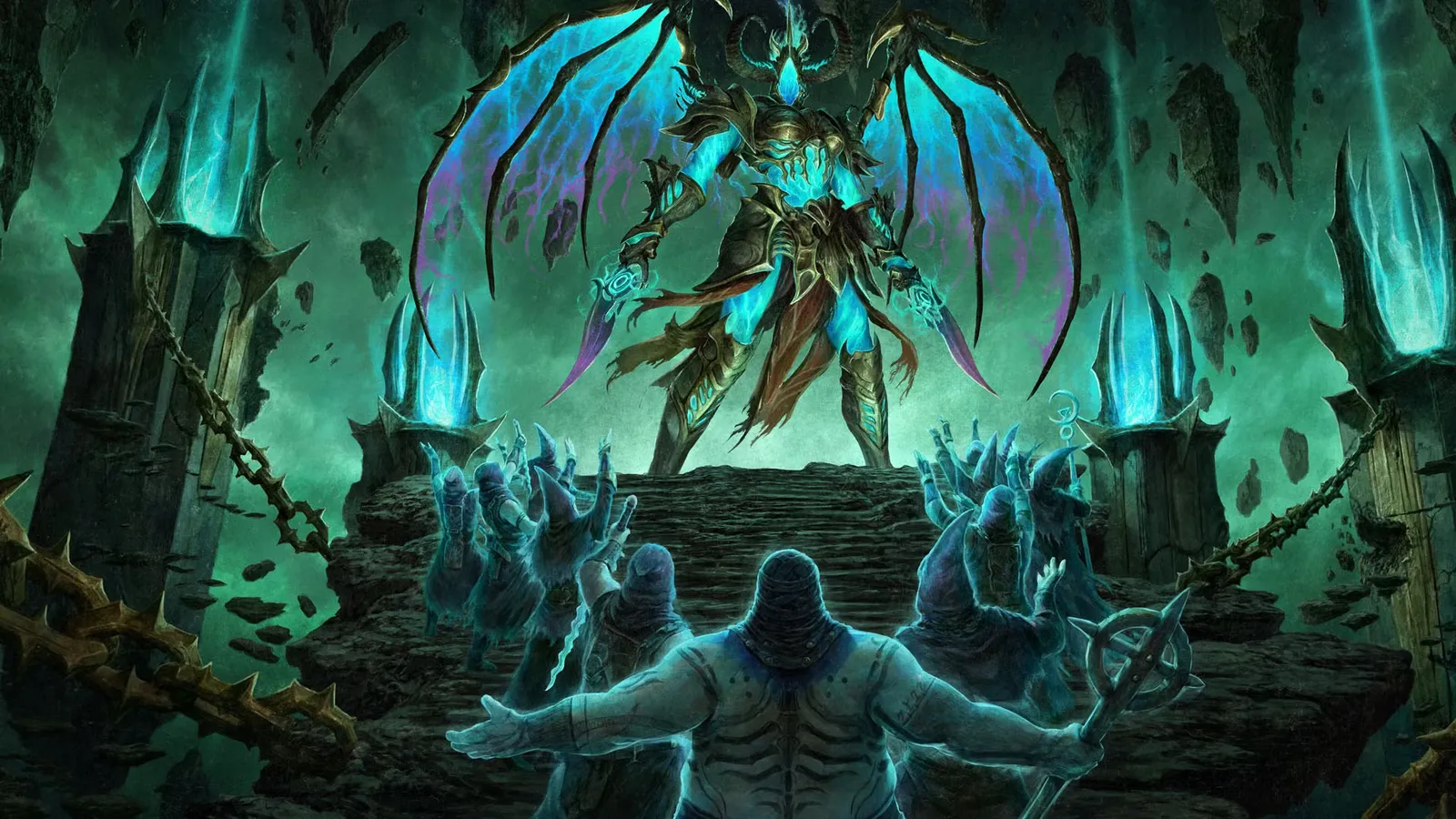
Diablo 4 Season 14, dubbed the Season of Death Awakening, introduces Pandemonium Ruptures, a revamped mythic system, and a new mode that lets players experience the campaign and endgame. For decision-makers, the update signals how Blizzard-style live ops is evolving player retention around progression systems and mode accessibility.
Diablo 4 Season 14, the Season of Death Awakening, has a new central mechanic: Pandemonium Ruptures. These are portals that have started appearing across Sanctuary as the division between it and Pandemonium grows thinner. In plain terms, Blizzard is not just adding quests or cosmetics this time. It is moving the game’s structure toward a repeating, portal-driven activity that can reshape how players route their time.
This update also delivers two changes that directly alter progression: a revamped mythic system and a new mode designed to run Diablo 4’s campaign and endgame in Solo Self Found. If you are a player, that means your gear journey can be more contained, and your sense of “how you progress” changes. If you are an operator or investor watching live games, it is a reminder that retention often comes from rebalancing the loop between “what you do next” and “why your next run matters.”
Let’s break down why Pandemonium Ruptures matter, beyond the lore. Season content in Diablo 4 typically works like a seasonal supply chain for players: there is an objective, there is an activity, and there is a reason to keep cycling through it because it feeds loot, progression, or new encounters. By introducing portals that show up as Sanctuary and Pandemonium get closer, the update adds a world-level trigger you can respond to while still doing everything else you were already planning to do. That is important because it can reduce the cognitive overhead players feel when every season demands a completely new habit. A rupture portal appearing around the map is a nudge. It invites you to pivot without having to relearn the entire game.
Then there is the mythic system. The source calls it “revamped,” which signals Blizzard is changing a part of Diablo 4 that sits near the top of most players’ goals. Mythic gear tends to function like a peak progression layer. When a system like that is revamped, it usually means the rules for acquiring, using, or optimizing these items shift. Even without getting into the specific mechanics here, the second-order implication is clear: if mythics are easier, harder, or simply reorganized, the entire economy of player builds can respond. The meta changes. Guides get rewritten. Trade and expectations shift for players who orbit the mythic tier.
The other big pillar in Season 14 is the Solo Self Found mode that supports both the campaign and endgame experience. Solo Self Found, in Diablo terms, is a format where players aim to build without relying on outside help. Adding a mode that explicitly covers both the campaign and endgame matters because it stretches the “self-contained” philosophy across the full arc of the game. Instead of treating the campaign and endgame as separate worlds with different social norms, the update tries to unify them under one constraint. That can make the experience feel more coherent for players who prefer a long, uninterrupted climb.
For executives watching live ops and long-term player health, this is where the business logic shows up. A solo-focused pathway can pull in different audience segments. Some players want high agency and low friction. They want to feel progress is earned, not outsourced. Meanwhile, endgame activities typically reward repeated engagement, and adding a new mode that spans both campaign and endgame increases the amount of time players can spend in a consistent ruleset. Consistency is retention fuel.
There is also a competitive dynamic worth noting. Diablo 4’s update cadence means players plan around seasons. When you change core progression systems like mythics, you are not only updating content. You are resetting the forecast. Players may start runs differently, allocate resources differently, and return to the game with different expectations about how quickly their builds can come online. That is why “revamped systems” usually land bigger than “new activities.” They tug on fundamentals.
Zooming out, Season 14 is part of a larger pattern in persistent online games: portals, seasons, and mode variations are used to manage the player funnel from early engagement to long-term commitment. Pandemonium Ruptures give a thematic entry point and a repeating activity structure. The revamped mythic system redefines peak goals. Solo Self Found offers a packaged way to experience both the campaign and endgame with fewer outside dependencies.
So the strategic stake for peers is simple: if you run or back a live game, the real product is not just new content. It is the loop that converts playtime into progression and progression into return behavior. Season 14 makes that loop more flexible with Ruptures, more volatile with mythics, and more self-directed with Solo Self Found across the entire game arc.
This story's Key Insights and Take-aways are locked.
Create a free account to unlock Executive Actions for one credit.
Register to UnlockAlways free for Executives Club members. Join the Club
More in Entertainment

Russell Brand's accuser 'bewildered and confused' as he denies 7 sex charges
The criminal case against the comedian is a live test of how media companies manage talent risk when serious allegations go public.

'It's a Magic Trick': Ballet Experts Say Rosalía's SNL Pose Is Impossible
Three ballet experts tell Rolling Stone Rosalía's gravity-defying SNL stillness shouldn't be possible - and why the debate is now part of the show.

Activision CMO: GTA 6 Will Boost Call of Duty, Not Bury It
Activision's top marketer says Rockstar's blockbuster will drive players back to consoles and into Modern Warfare 4, even as the company admits its recent strategy failed.