

Queens of the Stone Age resurrect “Run, Pig, Run” after 18 years at Stockholm opener
Era Vulgaris blasts onstage Monday as the band also dusts off another deep cut for the first time since 2014.
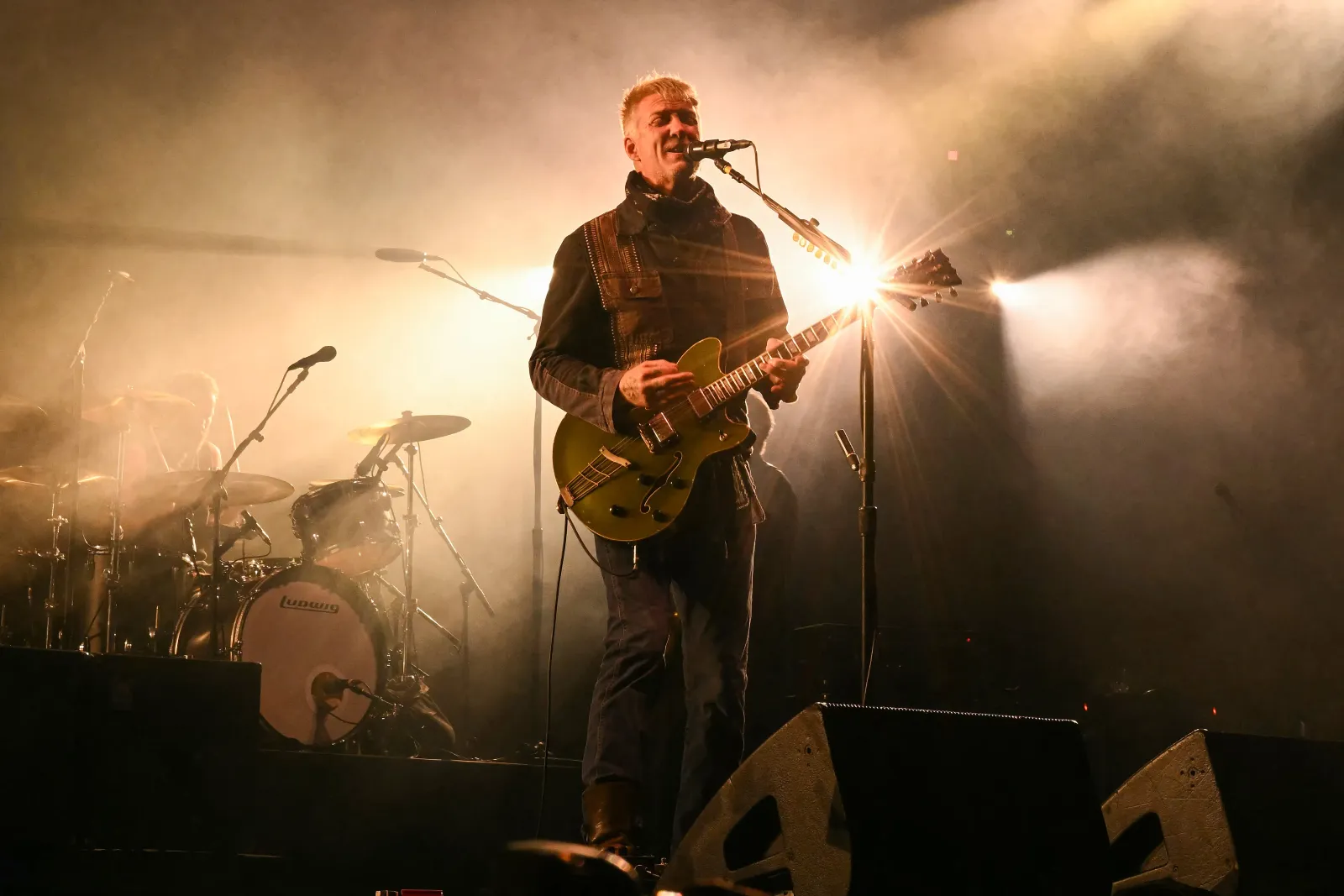
Queens of the Stone Age kicked off their European tour Monday at Stockholm-area Strawberry Arena, opening for System Of A Down. They debuted “Run, Pig, Run” live for the first time since 2008 and also played “The Fun Machine Took A Shit And Died” for the first time since 2014.
Queens of the Stone Age made a pretty specific promise to long-time fans on Monday, at the Stockholm-area Strawberry Arena, and then kept it. The band opened their European tour supporting System Of A Down with “Run, Pig, Run,” performing the Era Vulgaris track live for the first time since 2008, after an 18-year gap.
That matters because it was not just a random nostalgia pick. The evening started with a warped recording of “Afternoon Delight” welcoming Josh Homme and the band onstage, then immediately pivoted into that long-unplayed deep cut, “Run, Pig, Run.” In other words, the show did not treat the past like a museum. It used it like fuel.
If you are an executive thinking about what this kind of moment signals, the first lesson is control of narrative. QOTSA could have opened with something safe. Instead, they chose the exact track they had not played in 18 years. That is a brand decision, not just a setlist decision. Even if the audience is there for the headline acts, the emotional payoff comes from the surprises that prove the band is still actively choosing what it wants to be.
Then there is the second reveal in the same night, also pulled from Era Vulgaris: “The Fun Machine Took A Shit And Died.” The band performed it for the first time since 2014, making it another track with a long absence that suddenly reappeared in the live mix. For decision-makers, this is a subtle reminder that differentiation does not always require new product. Sometimes it is the strategic resurfacing of the right legacy asset at the right moment.
Zoom out to the touring reality both bands are navigating. System Of A Down and Queens of the Stone Age bring very different but overlapping fan bases, and opening tours are basically live marketing in physical form. Your operational goal is to keep attention tight from the moment doors open. Your commercial goal is to convert that attention into ticket satisfaction, social buzz, and repeat loyalty. Deep cuts help with all three, because they turn a “seen it before” night into a “this only happens sometimes” moment.
There is also a process angle that execs in music, media, and events will recognize. Setlists do not usually happen by accident. Long-unplayed songs require intentional rehearsal decisions and arrangement choices, even if the core band lineup stays the same. The fact that both “Run, Pig, Run” and “The Fun Machine Took A Shit And Died” landed in this Stockholm show suggests deliberate curation across multiple eras of their catalog. That is the difference between playing songs and designing an experience.
Regulatory framing is not the headline here, but the policy environment behind live events is always there in the background. Touring companies typically operate under national and local venue rules around crowd safety, sound levels, and operational coordination. When a tour crosses borders, those constraints can shape what is feasible night to night, especially for complex stage setups and rehearsal bandwidth. Against that reality, choosing to run older, less frequently performed tracks signals confidence that the show plan is stable enough to include the risky-but-rewarding elements.
For peers in leadership roles across entertainment, this is the strategic stake: audiences are trained to expect either maximum familiarity or maximum novelty. QOTSA went for something tougher, both at once. They used familiarity to get people in the door, via the onstage intro tied to “Afternoon Delight,” and then they used scarcity to make the night feel rare by unleashing “Run, Pig, Run” after 18 years. Add “The Fun Machine Took A Shit And Died” after more than a decade away, and the net result is clear: this is how you turn a tour stop into a story people want to talk about.
So yes, it is “just” a concert. But it is also a master class in how to manage legacy without becoming stuck in it. If you are leading an artist brand, an event business, or any operation where audience attention is the scarcest resource on earth, the playbook is right there: take the asset no one expects, bring it back precisely when it creates maximum emotional lift, and make sure the deep cut actually lands.
This story's Key Insights and Take-aways are locked.
Create a free account to unlock Executive Actions for one credit.
Register to UnlockAlways free for Executives Club members. Join the Club
More in Entertainment

Russell Brand's accuser 'bewildered and confused' as he denies 7 sex charges
The criminal case against the comedian is a live test of how media companies manage talent risk when serious allegations go public.

'It's a Magic Trick': Ballet Experts Say Rosalía's SNL Pose Is Impossible
Three ballet experts tell Rolling Stone Rosalía's gravity-defying SNL stillness shouldn't be possible - and why the debate is now part of the show.

Activision CMO: GTA 6 Will Boost Call of Duty, Not Bury It
Activision's top marketer says Rockstar's blockbuster will drive players back to consoles and into Modern Warfare 4, even as the company admits its recent strategy failed.