

Disney and Life360 launch three Mickey and Minnie Tile trackers with safety features
A new Disney x Life360 Tile line aims to make “where is it?” less stressful for families and Disney obsessives.
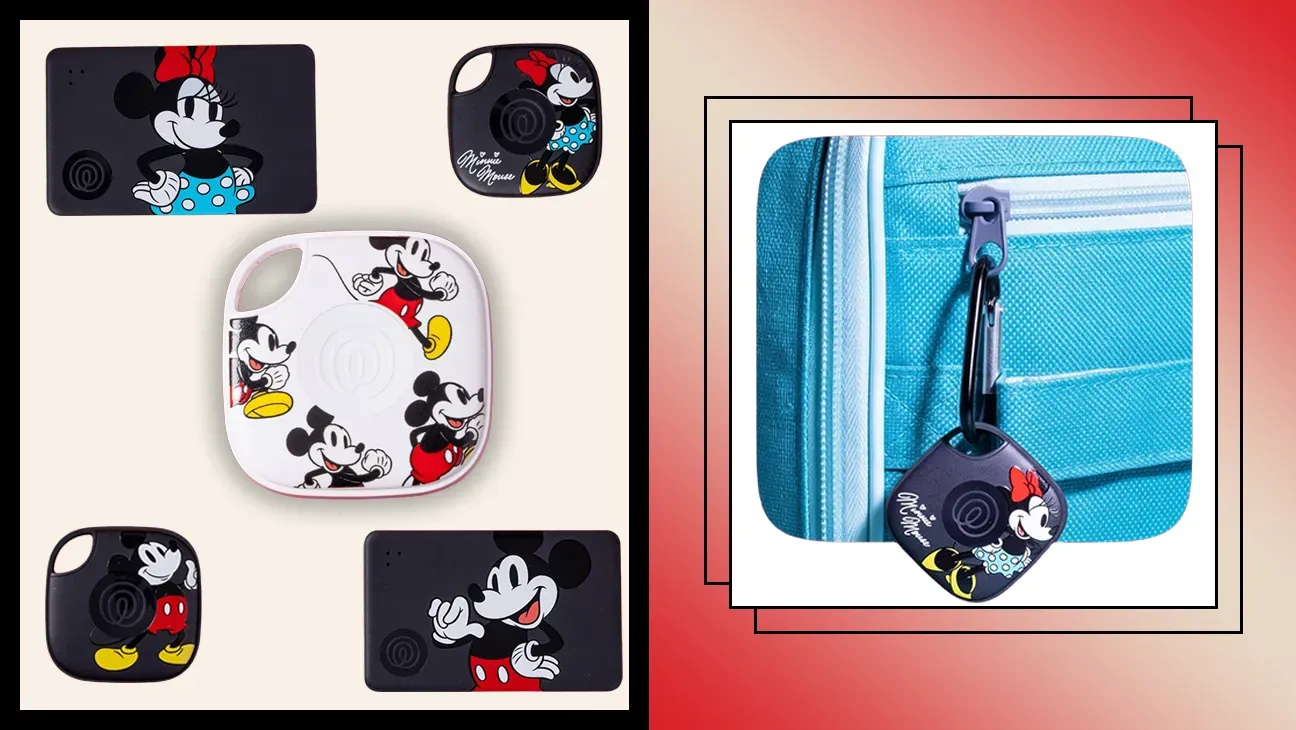
Disney and Life360 are collaborating to introduce three new Tile Bluetooth trackers for Android and Apple devices, themed around Mickey and Minnie. For decision-makers, the move is a clear signal that consumer device safety is becoming a branding battlefield, not just a tech one.
Disney and Life360 are partnering to introduce three new Tile Bluetooth trackers for Android and Apple devices, with Mickey and Minnie themes built in. The pitch is straightforward but still strategically interesting: turn the annoying, recurring household problem of “where did we put it?” into something families and Disney fans will actually want to carry every day.
Tile Bluetooth trackers have one job, and Disney and Life360 are betting the job is bigger than it sounds. The trackers combine the Mickey and Minnie designs with “advanced location and safety features,” positioning the product not just as cute accessory merch, but as a safety and recovery tool for everyday life. That matters because it reframes what a tracker is for. Instead of only helping adults find lost keys, wallets, and bags, it also targets parents managing kids who can misplace items in seconds and adults who do not want to treat “losing stuff” as a normal inconvenience.
For executives, the most important thing here is the collaboration structure. Disney is a media and IP powerhouse, while Life360 has built its business around connected safety and location experiences for families. Tile, as the tracker platform, sits at the hardware and discovery layer. Put together, you get an ecosystem play, where the hardware is the hook and the user value comes from how reliably the tracker helps you locate and protect what matters.
This also lands in a consumer market where location and safety features have become table stakes, and brand differentiation is increasingly the way products avoid turning into commodities. When multiple companies offer “find it” functionality, customers ask a new question: “Why should I choose this one?” Disney’s answer is to make the tracker an identity product. Mickey and Minnie are not just characters; they are instantly recognizable symbols that work as wearable or packable cues in busy homes. That can increase adoption in a way pure utility features cannot, especially among families buying for kids.
There is also a regulatory and compliance reality lurking behind “advanced location and safety features,” even if the product announcement itself does not spell it out. Location tech lives in a higher-scrutiny zone than many other consumer categories because it touches privacy expectations. Depending on the region and the specific feature set, companies typically have to think about consent, data handling, retention, and how users can manage or delete location-related information. The broad takeaway for decision-makers is that as these trackers become more mainstream, privacy posture stops being “legal fine print” and becomes part of product trust. A branded product like this is likely to face extra brand-risk sensitivity if customers believe the technology is invasive or unclear.
Second-order, this launch hints at where partnerships in consumer tech are heading. IP licensing alone used to be a way to monetize attention. Now it is a way to bundle a “responsible” value proposition, like safety and recovery, into a product that people use repeatedly. That changes how boardrooms might evaluate partnerships. Rather than only asking, “Will Disney earn more licensing revenue?” executives also have to ask whether the collaboration improves conversion, retention, and engagement by making the product feel emotionally necessary.
Finally, this is a competitive signal to peers building in adjacent spaces. If Life360 and Disney can push Mickey and Minnie trackers to Android and Apple users with location and safety features, other category players will feel pressure to differentiate on both experience and presentation. That could mean more co-branded hardware, more family-oriented use cases, and more investments in reliability and user control, because the differentiator is shifting from “does it locate?” to “does it feel safe, usable, and worth carrying?”
In short, the Disney x Life360 move is not just a cute product refresh. It is a bet that everyday safety tools can be strengthened with identity-driven design, and that Bluetooth tracker categories can grow by making loss prevention and recovery a family habit, not a one-off utility. For executives watching consumer tech and family safety markets, the strategic stake is clear: the next wave of winners may be those that combine trustworthy location value with the kind of branding that makes adoption effortless.
This story's Key Insights and Take-aways are locked.
Create a free account to unlock Executive Actions for one credit.
Register to UnlockAlways free for Executives Club members. Join the Club
More in Entertainment

12TB Steam 'teraleak' goes beyond Valve: GTA 3, Mafia 2 prototypes exposed
A 12-terabyte dump of Steam data reveals prototypes and builds of third-party classics like GTA 3 and Mafia 2, plus unreleased Valve content, rewriting game history.

LinkedIn's romance problem: 1 in 4 workers say dating on it is fair game
A new survey shows a quarter of U.S. employees treat the professional network as fair game for romance, even as LinkedIn bans it and removes hundreds of thousands of offending posts.

Enhypen's first No. 1 album breaks K-pop's Billboard 200 streak
The K-pop group's 98,000-unit debut tops the chart while Dolly Parton's catalog reentry shows how death reshapes streaming.