
Teddy Swims blasts Van Halen’s ‘Jump’ on Electric Castle’s main stage
The cover hits the second night before ‘Lose Control’ and ‘Break Up In Reverse’, turning a set into a moment.
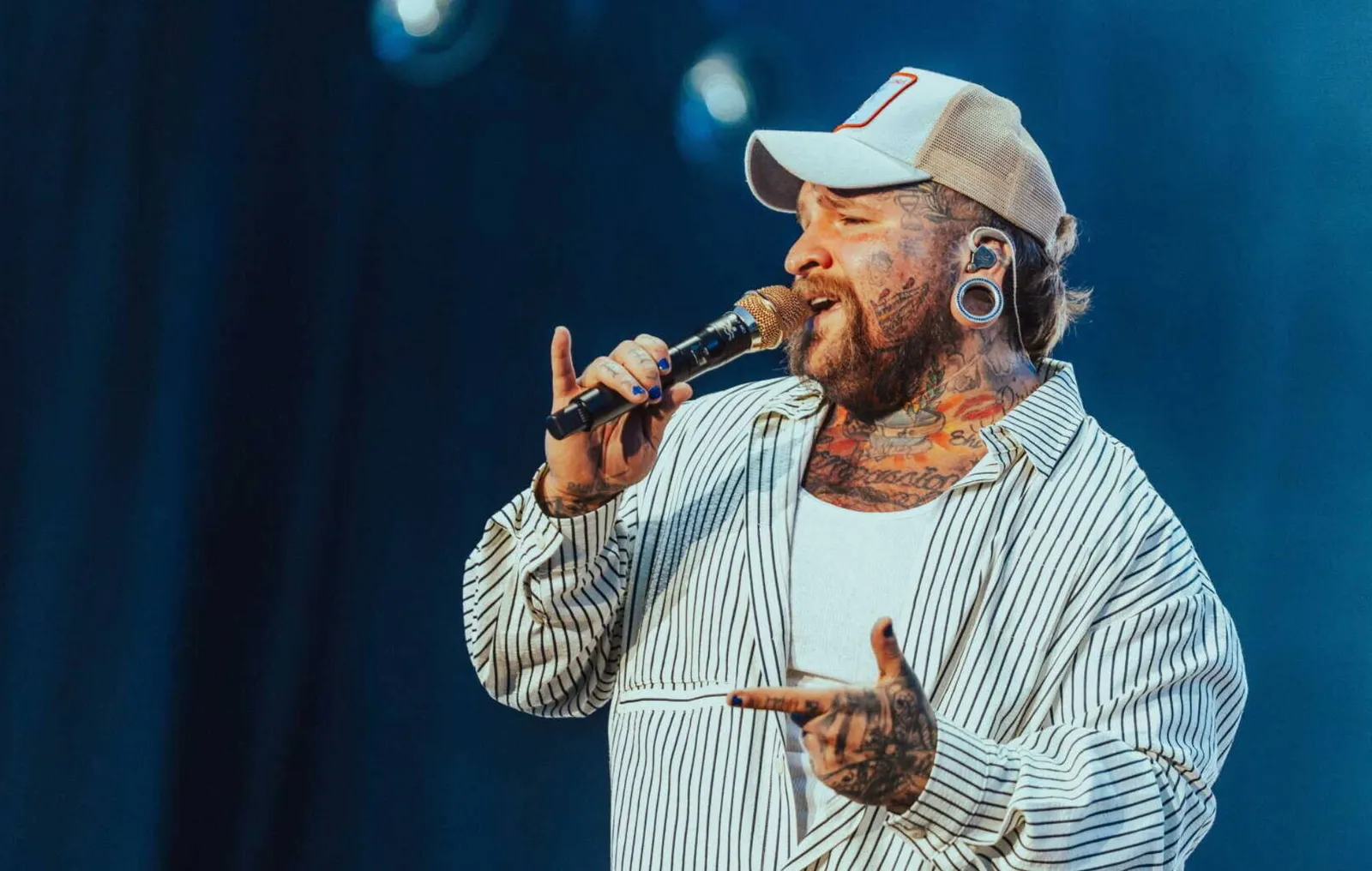
Teddy Swims covered Van Halen’s 1984 classic ‘Jump’ during his set on the second night of Electric Castle 2026. For festival operators and music-industry decision-makers, it shows how setlist sequencing can manufacture buzz and audience lock-in in real time.
Teddy Swims didn’t just perform at Electric Castle 2026. On the festival’s second night, he covered Van Halen’s 1984 classic ‘Jump’ on the main stage, slotting it into the closing section of his show before launching into his mega-hit single ‘Lose Control’ and the recently released ‘Break Up In Reverse’. In other words, the nostalgia moment was engineered to land right before the songs that are doing the heavy lifting for attention and replay.
That sequencing matters because it turns a cover into a launchpad, not a detour. The track arrived as part of the “closing section” of his Main Stage set, meaning Swims could widen the room instantly with a song most people already have in their heads, then pivot into newer work while the crowd is fully warmed up. The result is a high-velocity emotional climb: shared recognition, then a direct handoff to his current catalog. NME captured the onstage moment via footage shared on July 17, 2026.
This wasn’t Swims’ first run at ‘Jump’. He first covered the song at Coachella in April, and he was joined there by Van Halen frontman David Lee Roth. After that appearance, Swims declared Van Halen to be “the best fucking band of all time.” That line is a reminder that, at least here, this cover is not just a musical cameo. It is a relationship with a legacy act, publicly affirmed, then repeated in a new arena with a bigger audience context.
Electric Castle 2026 is positioned as a mainstream stage for international stars, and the lineup is the kind that attracts both casual listeners and hardcore music nerds. The festival takes place from July 16-20, and NME names sets due from an eclectic array of artists including The Cure, Kneecap, Dogstar, and Chase & Status. For a business audience, that matters because a diverse lineup increases the probability that a “crossover moment” like a Van Halen cover will propagate across different fan segments. A rock classic can pull in listeners who might not otherwise be tuned to Swims’ pop-leaning hits, and once that crowd is there, sequencing determines whether they stay for what comes next.
It also helps to look at what else happened on day two, because attention at festivals is not created in isolation. NME notes that Twenty One Pilots followed Swims on the Romanian festival’s biggest stage, delivering a crowd-pleasing set that included their own cover version of ‘Seven Nation Army’. They even received a video co-sign from Jack White. Put those details together and you get a pattern: the biggest stages are being used for content people want to quote, clip, and share. Covers become social currency, and when they are placed at the right point in a set, they amplify everything downstream.
NME’s day-two review gives another piece of the puzzle for operators and artist teams: Swims’ energy translated into a spectacle that built momentum through the entire performance. NME wrote that “From start to finish, Swims’ energy is palpable,” and described a moment when he puts on “his helmet, complete with a bright red mohawk,” then wheels off stage in a tricycle, framing it as a complete “job well done.” Even if you are not in the business of stagecraft, the point stands: the cover is one moment, but the set is a machine. The cover likely functions as a gear that helps keep the machine running hot right before the biggest songs.
From an industry perspective, there is also a clear catalog logic. Swims released his latest album, ‘I’ve Tried Everything But Therapy (Part 2)’, in 2025, and NME gave it four stars. The review said the follow-up “staves off a bad case of sequelitis because it successfully deepens Swims’ story.” At Electric Castle 2026, the setlist acts like a bridge between the story being built across releases and the immediate fan demand for the next chorus. ‘Lose Control’ anchors the crowd. ‘Break Up In Reverse’ signals what comes next. ‘Jump’ is the accelerant that gets the room to that point.
So what should executives and boards take from this? Not that covers are magic, but that live sequencing is an attention strategy. When an artist can reliably drive a shared sing-along with a globally known hook, then transition into current releases within the closing section of a main-stage set, the performance becomes more than entertainment. It becomes distribution. In 2026, where festival moments travel instantly and reputations compound on clip culture, the difference between “a good song” and “a career-visible moment” can come down to a single song choice placed at the right minute.
This story's Key Insights and Take-aways are locked.
Create a free account to unlock Executive Actions for one credit.
Register to UnlockAlways free for Executives Club members. Join the Club
More in Entertainment
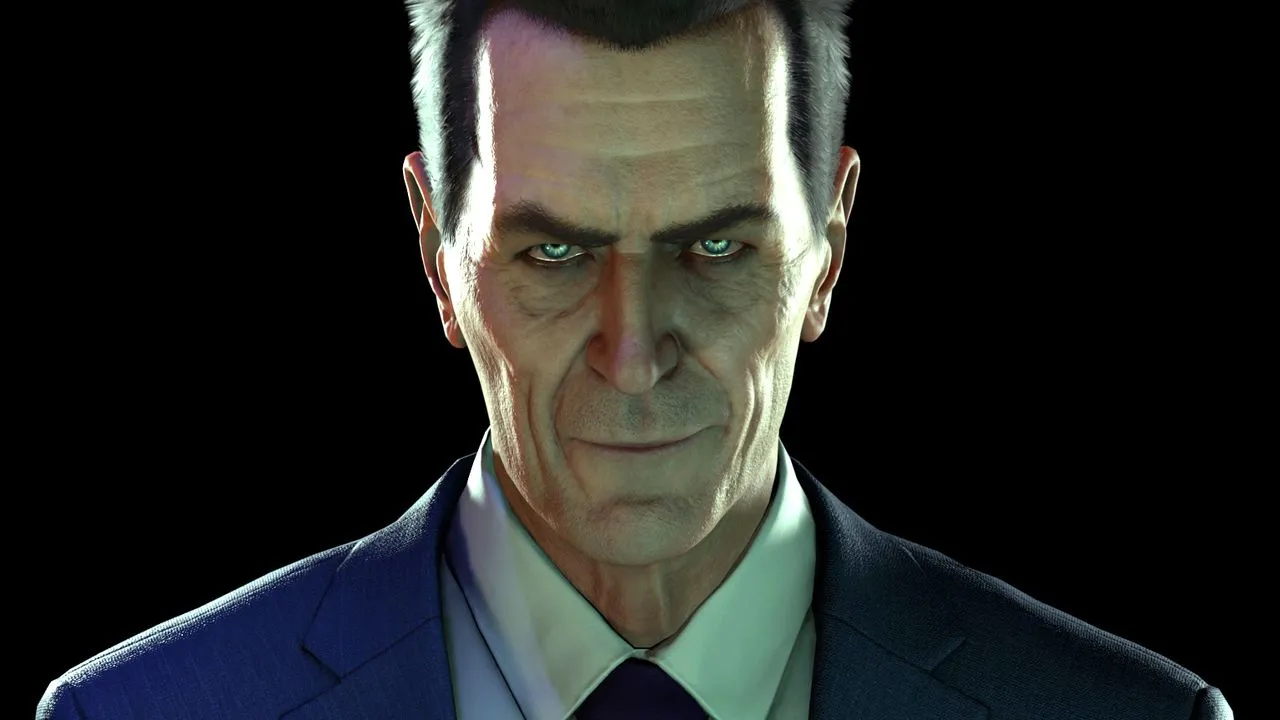
12TB Steam 'teraleak' goes beyond Valve: GTA 3, Mafia 2 prototypes exposed
A 12-terabyte dump of Steam data reveals prototypes and builds of third-party classics like GTA 3 and Mafia 2, plus unreleased Valve content, rewriting game history.

LinkedIn's romance problem: 1 in 4 workers say dating on it is fair game
A new survey shows a quarter of U.S. employees treat the professional network as fair game for romance, even as LinkedIn bans it and removes hundreds of thousands of offending posts.
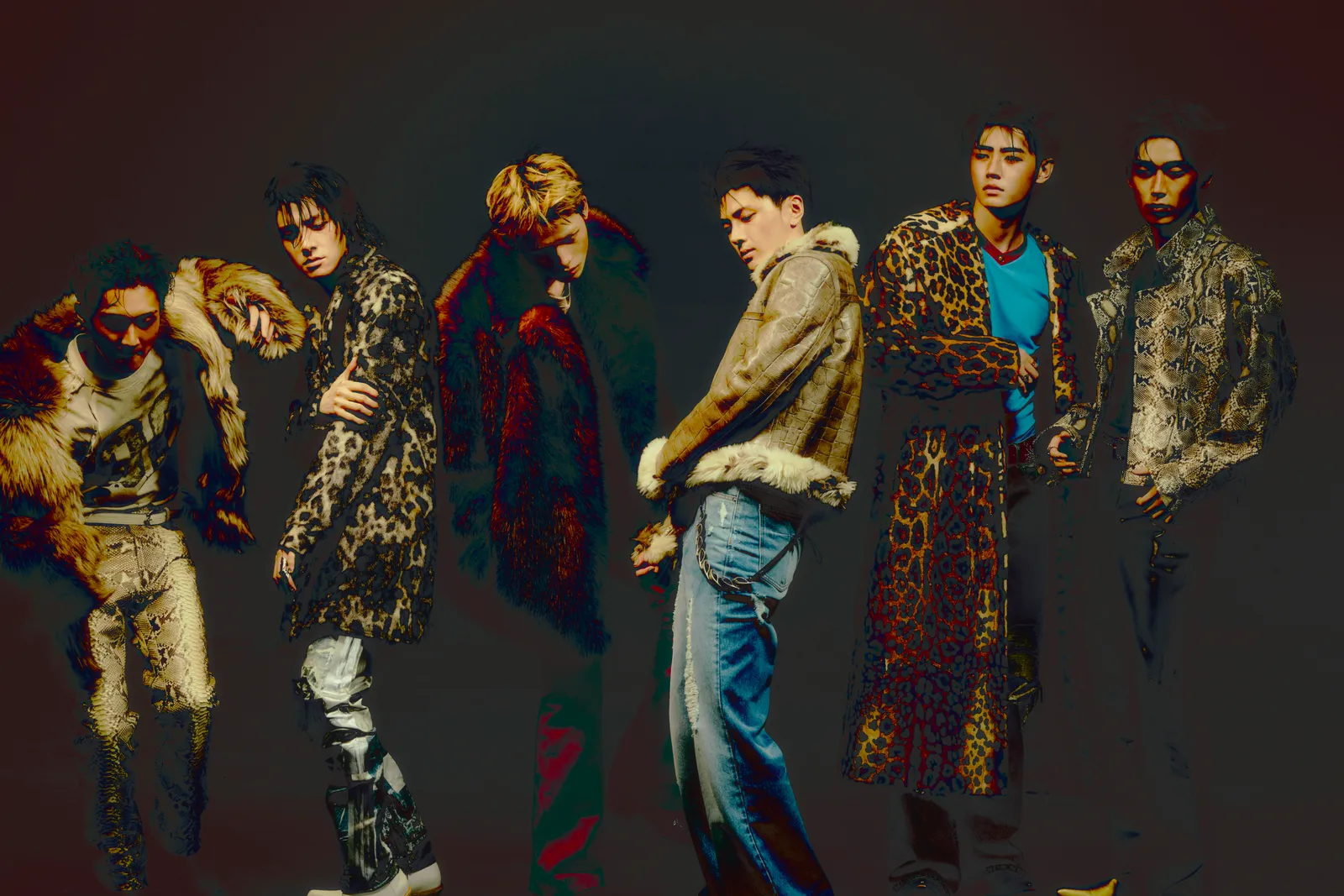
Enhypen's first No. 1 album breaks K-pop's Billboard 200 streak
The K-pop group's 98,000-unit debut tops the chart while Dolly Parton's catalog reentry shows how death reshapes streaming.