

Disney Channel greenlights The Cheetah Girls: Next Gen as Raven-Symoné returns
Disney+ and Disney Channel bet on a legacy cast with Raven-Symoné and Adrienne Bailon back in key roles.
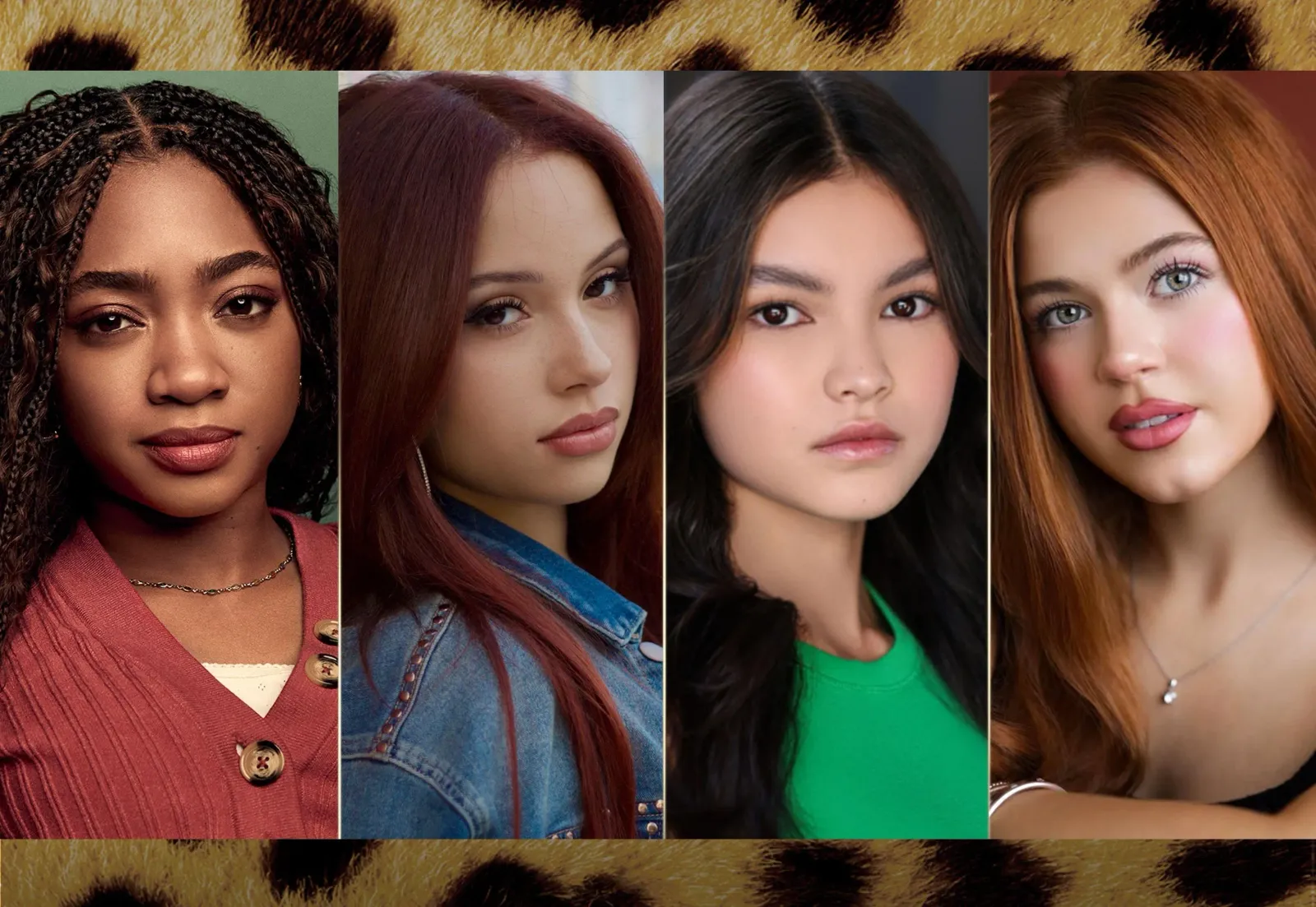
Disney has greenlit The Cheetah Girls: Next Gen for Disney Channel and Disney+, with executive producers Debra Martin Chase and Raven-Symoné, who returns as Galleria. Adrienne Bailon also returns as Chanel, signaling a sequel strategy rooted in familiar characters.
Disney Channel and Disney+ just greenlit The Cheetah Girls: Next Gen, and it is a familiar cast reunion dressed up as a strategic move. The project is executive-produced by Debra Martin Chase and Raven-Symoné, and Symoné is returning to her role as Galleria. Adrienne Bailon is also back as Chanel. That is the headline, but the bigger question for decision-makers is why this kind of “next generation” reboot is worth committing to in the first place.
Here is the practical answer: Disney is using recognizable IP and returning performers to reduce creative and audience risk. When a franchise brings back Raven-Symoné and Adrienne Bailon for this sequel, it is not just nostalgia bait. It is audience scaffolding. Viewers who enjoyed earlier versions know the characters and the tone. New viewers get an on-ramp built from established story logic and character identity. That matters in children and family entertainment because switching costs are real. Kids and parents decide what to watch with limited time and lots of competing options, so “known and trusted” can be a decisive advantage.
Zoom out and the move starts to look like a broader streaming and network calculus. Disney Channel continues to be a distribution engine for younger audiences, and Disney+ is the streaming layer that extends reach beyond scheduled programming. A greenlight that spans both platforms suggests Disney is trying to capture demand across viewing habits, not forcing the story into a single channel personality. In other words, the company is treating The Cheetah Girls: Next Gen as both a broadcast-and-brand moment and a streaming-and-library bet. That dual-track approach can help protect performance expectations. If engagement plays differently across platforms, the same property can still deliver value through different measurement lenses.
The executive producer lineup also matters for how you should interpret the decision. Debra Martin Chase and Raven-Symoné are listed as executive producers, and Symoné is also returning as Galleria. That combination is a classic incentive alignment move in entertainment: the creative driver is also the creator talent returning on-screen. When executive producers are tied to the characters the audience recognizes, it can mean more consistency from development to final product. It can also reduce the risk of “the sequel that feels off.” For boards and leadership teams, that is not a poetic concern. It is a governance and delivery concern. Executive involvement that spans both creative authorship and on-screen continuity can make milestones easier to manage, because fewer stakeholders are trying to “interpret” what the property should be.
There is also a market signal hiding in plain sight. Sequels and legacy returns are not just about economics of production. They act like identity anchors. In youth media, characters function as the emotional subscription the audience maintains. If the cast is returning as the same characters, the show can more reliably inherit existing audience relationships. That is especially relevant when platforms are constantly refreshing catalogs and competing for attention. A franchise entry that leans into continuity can cut through the noise.
Second-order implications for other executives follow quickly. If Disney’s leadership is willing to greenlight a “next gen” iteration while bringing back Raven-Symoné as Galleria and Adrienne Bailon as Chanel, it raises the bar for other studios and networks thinking about how to extend established properties. It says the market may reward continuity more than reinvention when targeting family audiences. It also suggests that executives at competing youth and family brands may face pressure to return to trusted creative ecosystems rather than treating nostalgia as purely disposable. Boards should pay attention to the staffing logic too. Executive-producer talent returning in-role can become a template for de-risking greenlights.
Finally, the strategic stakes are simple, even if the entertainment industry tends to complicate them. Greenlighting The Cheetah Girls: Next Gen for Disney Channel and Disney+ means Disney is actively choosing a path that relies on recognizable characters, returning performers, and a multi-platform distribution plan. For decision-makers, that translates to a question: how do you balance creative freshness with audience trust at the same time? Disney’s answer, at least here, is to bet that the next generation of viewers will follow the familiar characters into what comes next.
This story's Key Insights and Take-aways are locked.
Create a free account to unlock Executive Actions for one credit.
Register to UnlockAlways free for Executives Club members. Join the Club
More in Business
Comcast shares jump 25% as it plans to split NBCUniversal and Sky
The tax-free spin-off could reshape focus, funding, and competition across media and tech for years.

Bungie cuts most Destiny 2 staff as Sony says Marathon still matters
Herman Hulst confirms layoffs affecting most Destiny and some Marathon teams after Bungie admits Destiny fell short.

SK Hynix jumps 11% after seeking up to $29.4B in Nasdaq listing
The chip giant filed for a Nasdaq listing plan that could raise $29.4 billion, instantly reshaping investor expectations.